3
Triumph Held On To Rumble Seats Long After They Were Cool
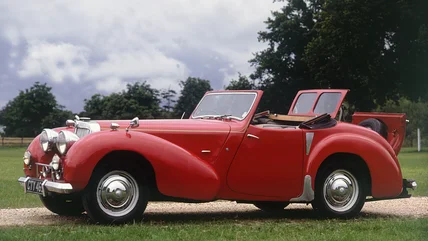
Rumble seats, in case you didn't know, were fold-out rear seats in classic cars. They were phased out in the 1930s, but Triumph held on to them for a while.
Read More

Rumble seats, in case you didn't know, were fold-out rear seats in classic cars. They were phased out in the 1930s, but Triumph held on to them for a while.
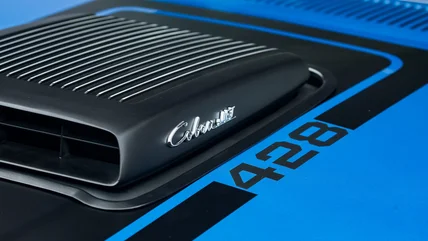
Read MoreThe Ford 428 Cobra Jet was a capable engine in vehicles from 1968 to 1970. Although it didn't find much use later, it was active in a wide number of models.
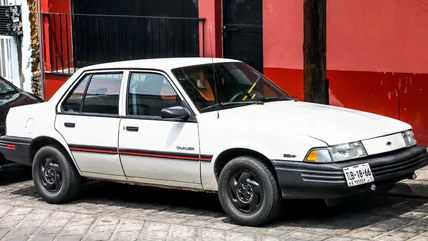
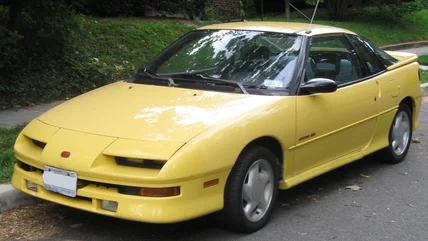
Read MoreIn the early 1980s, General Motors decided to build a new world car. This resulted in the J-body platform, which was used across multiple brands for decades.
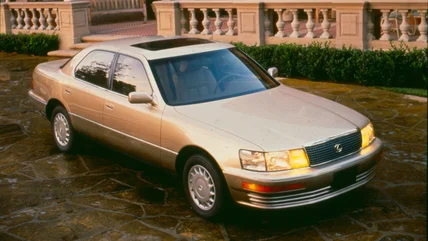
Read MoreAfter World War II, Japanese brands started to find a lot of success in the United States. But there's one major reason why they created luxury subdivisions.
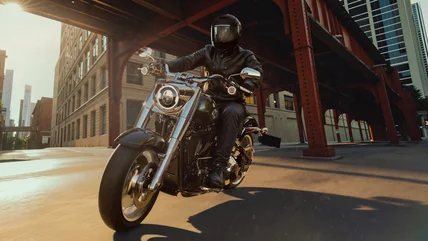
Read MoreSoftails are among Harley's most popular motorcycles; one was even featured in "Terminator 2: Judgment Day." But they almost didn't make it to the lineup.
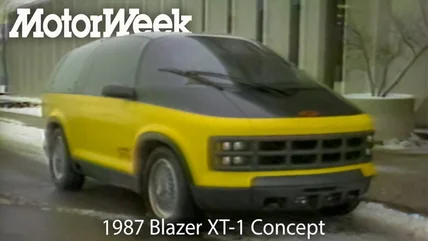
Read MoreThe Blazer XT-1 was a "testbed for new light truck technology" designed by GM's Advanced Vehicle Engineering, and it was actually driveable.
Read MoreGeneral Motors has killed off a wide number of car brands, but one in particular didn't have a bright future to begin with; it consisted only of re-badged cars.
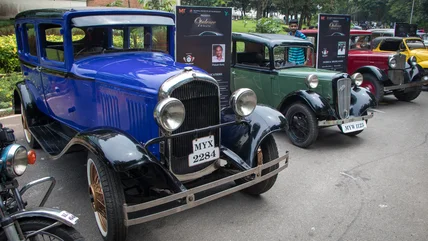
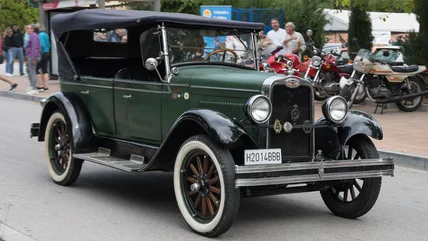
Read MoreCars from the 1930s lack many of the advanced features available in the newest models. But does that really mean they can't be used as daily drivers?
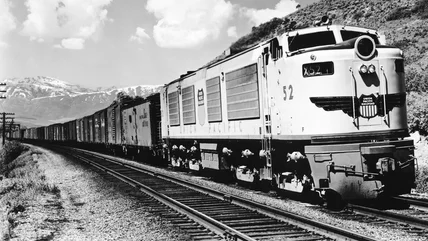
Read MoreIn the 1950s, a new kind of locomotive made even extreme hills easy for trains to climb. But this extra-powerful engine came with significant downsides.
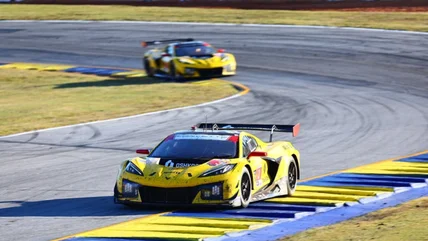
Read MoreCorvettes first raced in 1960 in Le Mans, but the brand didn't start sponsoring a team juntil decades later. There were lots of reasons for that.
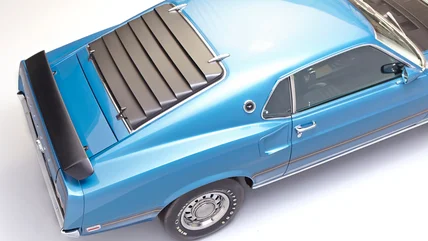
Read MoreWindow louvers were an iconic design element of classic muscle cars. But they also served practical purposes beyond looking exceptionally stylish.
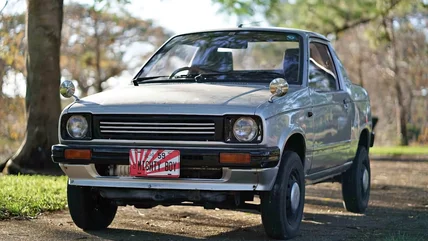
Read MorePeople love mini trucks, and they don't get any more mini than today's Mighty Boy. We'll have to decide if its asking price is appropriately teensy-weensy.
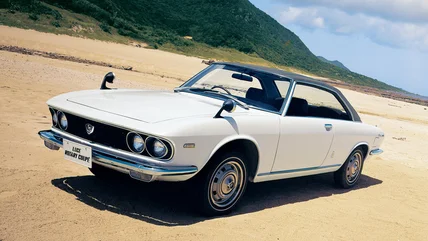
Read MoreMazda had made some outrageous cars throughout its history. Here are 11 that prove to be unique, even if they aren't all that great to drive.
Read MoreOne of the most iconic characters in "Transformers" media, Optimus Prime, commonly features as a flat-nose semi truck. Here's what that truck is.
Read MoreThe distinction of having multiple engines is usually reserved for specialized vehicles, but certain twin-engine production cars were sold to the public.
Read MoreThe wraparound windshield was a fad of the 1950s, affording a panoramic view for the driver. But it mostly disappeared soon afterward. Here's why.
Read MoreSealed-beam headlights were a staple of cars from the 1940s, and they were even required by law. So why did automakers move away from those designs?
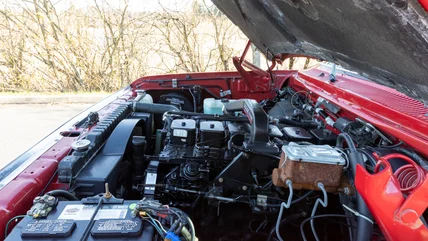
Read MoreWhile 40-year-old engines might not be expected to be the most reliable today, a certain diesel engine has found itself with an incredible reputation.
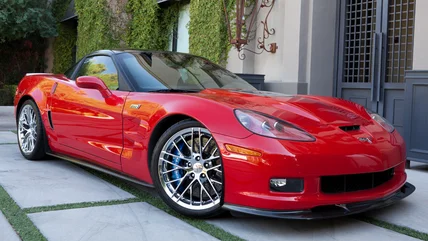
Read MoreThe Chevrolet Corvette has eight generations spanning across over 70 years. It might seem expensive today, but older models would cost more with inflation.
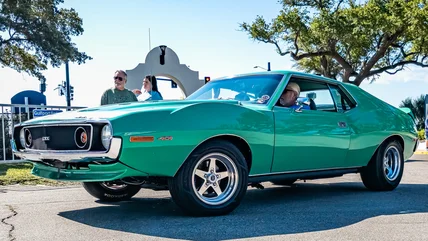
Read MoreAMC is often an afterthought when people are considering cars of the past, but it shouldn't be. Here are seven AMC cars that don't get the respect they deserve.
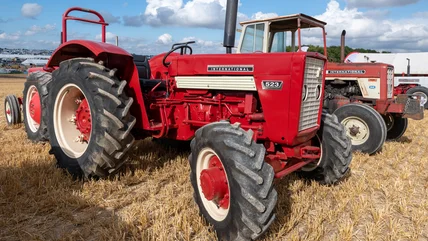
Read MoreInternational Harvester used to be one of the biggest manufacturers in the agriculture industry. Eventually, though, its success ended up waning.
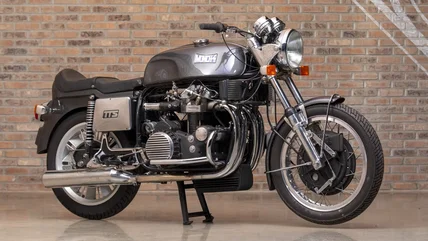
Read MoreBlessed with the engine of a West German compact car, the Münch Mammoth was an odd motorcycle: the 1960s equivalent of a Hellcat-swapped golf cart.
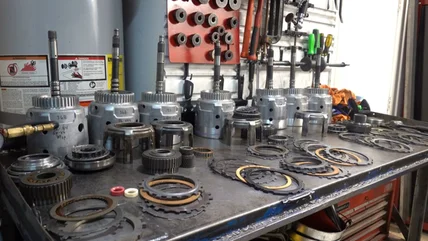
Read MoreThe General Motors 700R4 and 4L60E transmissions have some key differences in their design. You can use those differences to tell which transmission you have.
Read MoreThe first Chevrolet V8 engine to succeed commercially was the 1955 small block. But it wasn't Chevy's first V8. That came three decades earlier.
Read MoreHeated seats might seem like a simple feature today, but they were introduced over half a decade ago. Here's the General Motors brand that introduced them.
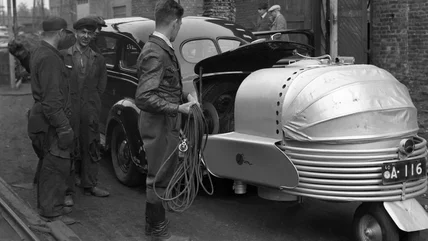
Read MoreWhile it's a rarity in the modern era, wood-powered cars were found all throughout Europe during World War II. But it also carried some great risk.
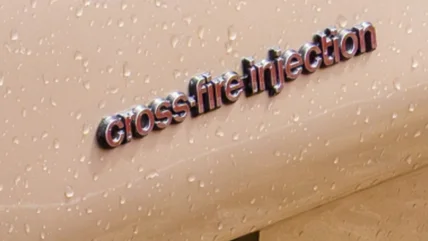
Read MoreThe Cross-Fire engine used by GM in the early 1980s didn't get the best reputation. Here's why some critics have given it the nickname "Cease-Fire."
Read More