How Stop Sticks Deflate Tires Slowly Instead Of Making Them Explode
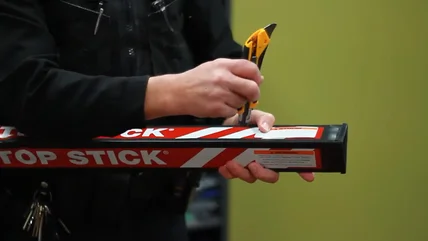
Back in the day, police officers often used spike strips to puncture tires and force fleeing vehicles to a halt. Now they use devices called Stop Sticks.
Read MoreBack in the day, police officers often used spike strips to puncture tires and force fleeing vehicles to a halt. Now they use devices called Stop Sticks.
Read MoreAfter years of rising auto theft numbers and a number of high-profile thefts, the stats are finally heading in the other direction for Canadians.
Read MoreWhile both American and European police forces use modified versions of existing mass-market cars, the vehicles they choose to rely on are worlds apart.
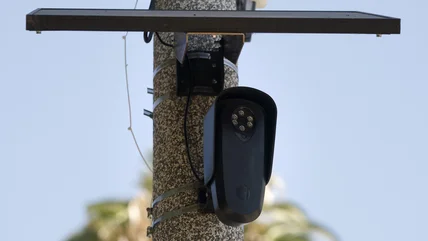
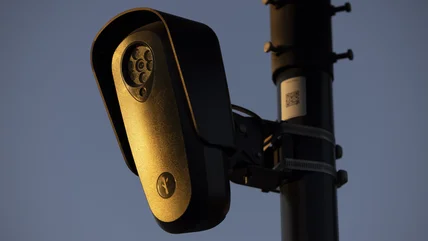
Read MoreAfter a seemingly endless flow of stories about system abuse, Flock says it's taking steps to improve its privacy, accountability, security, and transparency.
Read MoreBeing a woman and having to interact with an industry most informed car people don't always trust is already a difficult task.
Read MoreWhen questioned, Benfield reportedly admitted "that he failed to observe the bicyclists until the vehicle directly in front of him changed lanes.
Read MoreThe cause of the crash is yet to be announced.
Read MoreWhile Flock claims that its license plate-reading cameras have an accuracy rate in the high 90s, this town's experience shows a far different set of numbers.
Read MoreFlock has long claimed that the presence of their cameras increases the rates at which crimes are solved, but the data from Atlanta contradicts that story.
Read MoreStrapped for cash, the owner of the Ford Edge took out a loan to get the repairs done, but the mechanic says he never touched the transmission at all.
Read MoreJetBlue is claiming that this entire incident caused a flight delay, costing the giant corporation a grand total of $2,400.
Read MoreAn overlooked chapter in vehicle history, these ridiculous electric police vehicles have been zooming across Manhattan tunnels until just a decade ago.
Read MoreAfter the video went viral, the dealership launched an internal review, and the service manager in question was terminated.
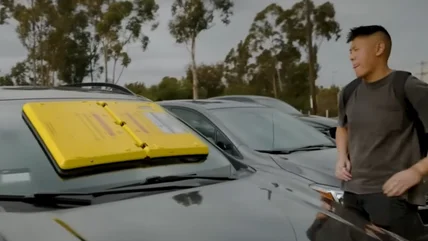
Read MoreFlock has the biggest network of surveillance cameras in the United States, but cameras mounted to repo vehicles are mobile and scanning neighborhoods.
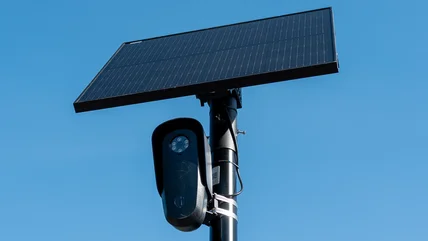
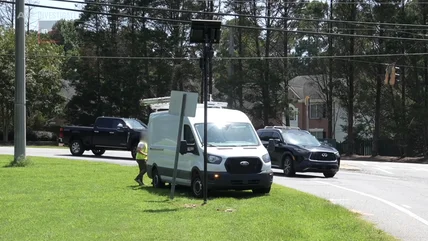
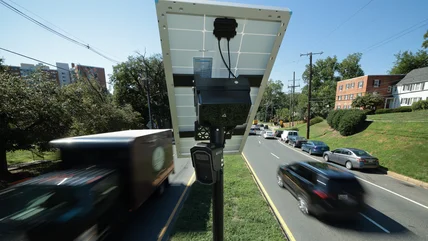
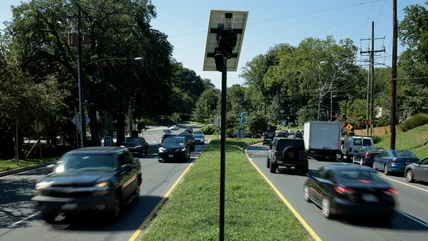
Read MoreThe poles that cameras are attached to don't have breakaway points in case a car crashes into them, and some are just stuck right into the ground.
Read MoreWhen a service member is deployed for military purposes, repossessing their car isn't as simple as showing up with a tow truck and a claim of missed payments.
Read MoreFiring a taser around fuel and fumes at a gas station is a terrible idea, but this officer did it anyway, and then the man he fired at was lit aflame.
Read MoreAmericans fear car crashes more than people do in any other country, but fear of crashes is the top concern globally, too.
Read MoreIn which states are cops required to wear body cams, who can legally view the footage, and how? It should be accessible, but that's not really how it works.
Read MoreA security system often installed by used car dealerships can remain dormant in your car but be activated by hackers attempting to gain entry.
Read MoreNearly 20 officers have been fired and charged with crimes related to their illegal use of the surveillance technology, and the number continues to rise.
Read MoreIf your first instinct is to lock your car doors, you might be overreacting.
Read MoreWith a four-digit combination keeping the center console safe locked, Ford isn't advertising this accessory as a gun safe, but that's definitely what it is.
Read MoreFlock claims that its system is 99% accurate. But it's scanning 20 billion vehicles a month, which means it's still making 200 million mistakes per month.
Read MoreWith the FreeForm search tool, law enforcement can use Flock cameras to find vehicles and people by identifying various visual characteristics.
Read MoreData shows that EVs are far less likely to be stolen than traditional gas or diesel vehicles. While there is no hard data as to why, there are several theories.
Read MoreAround the world, there's a continued push for speed-limiting devices in vehicles, and the EU could implement GPS-controlled limits as early as 2030.
Read More