

How Are Car Owners' Rights Protected By The 4th Amendment?
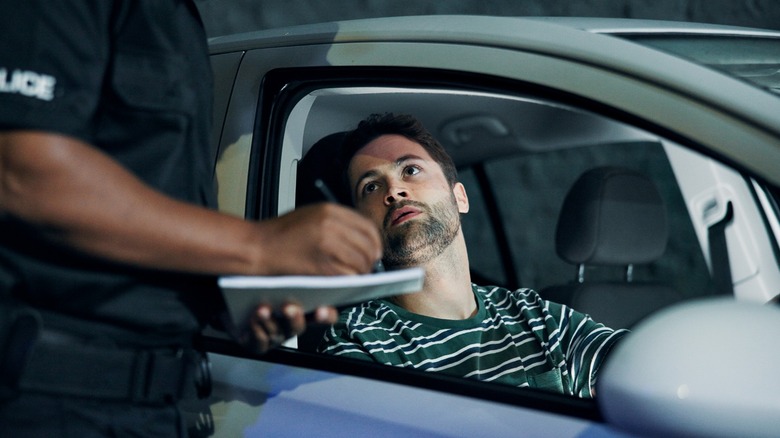
"Would you mind if I searched your vehicle?" If you've ever been asked that at what you thought was the end of a routine traffic stop, as we have, you might not have been sure of what to say. The cop may have already told you that you were free to go. Why is he asking to search your vehicle? What happens if you say no?
More than 50,000 people are stopped every day on U.S. roads for things like speeding, a broken taillight, or an expired tag. Often, these stops are pretenses for searches for contraband. Just 3% of these stops lead to searches. Of those searches, only 20% lead to actual discovery of contraband. Making it worse, minorities are disproportionately the subjects of these searches, which has led some localities to stop non-safety traffic stops altogether.
Non-citizen drivers have even been subjected to loyalty tests. But if you are unfortunate enough to be asked by a cop if he or she can search your vehicle, what are your rights? How does the 4th amendment prohibition against unreasonable search and seizure protect you?
We asked two legal experts to answer this and other relevant questions for us. Gillian Friedman is currently a Partner at Chudnovsky Law, but worked on the prosecution side of the table for 22 years as a Deputy Attorney General in the California Department of Justice. James DeSimone works as a civil rights attorney in Los Angeles at V. James DeSimone Law and specializes in police misconduct, among other areas.
What constitutes a reasonable search and seizure?
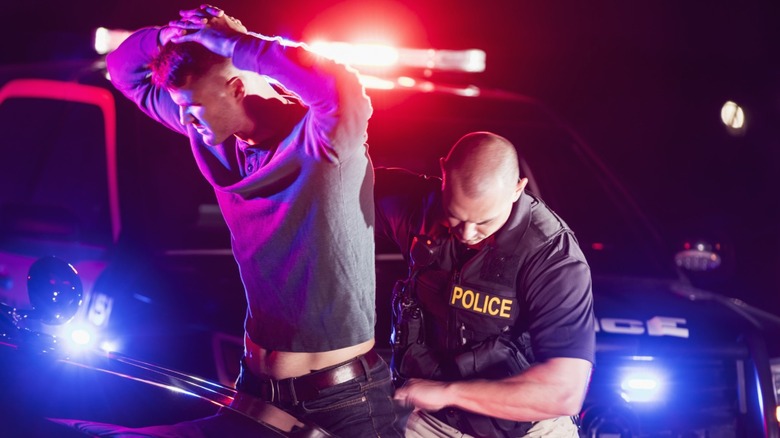
The 4th Amendment prohibits unreasonable searches and seizures, but doesn't define "reasonable." That makes it pretty subjective, and studies seem to indicate that police departments have often, in practice, used different standards for "reasonable searches" when it comes to white drivers as opposed to brown and black drivers.
Data acquired by the NYCLU found that only 4% of searches for weapons in NYC actually turned up weapons. If 96% of searches were fruitless, one could naturally wonder if law enforcement had "probable cause." So, what constitutes a "reasonable search and seizure?"
Gillian Friedman: "Generally, a search is considered reasonable if conducted with a warrant, with your consent, or under a recognized exception. For vehicles, the primary exception is probable cause, which requires a fair probability, supported by articulable facts, that evidence of a crime is present. Mere suspicion is insufficient."
James DeSimone: "When driving or riding in vehicles, courts generally hold that you have a reduced expectation of privacy than you would in your home. Nonetheless, unless the officer has probable cause, a search warrant, or a reason to arrest you, they cannot search your vehicle without your permission. That is why it is important to calmly and politely say 'I don't consent to a search' when requested by an officer. If questioning or pressure to search persists, ask, 'am I free to go,' or 'am I being detained?'"
If there is probably cause to search or seize my car, does that automatically mean there has to be a warrant?
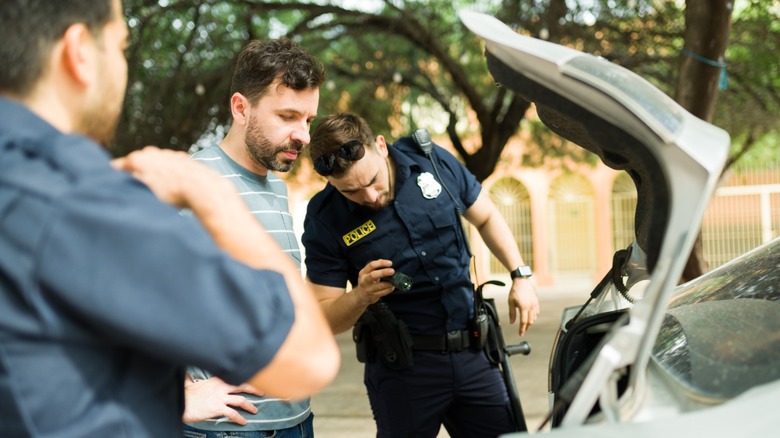
In most cases, police need a warrant to search your home, even if they have probable cause. If they conduct a search without a warrant, there is a good chance the case will be thrown out of court. Your automobile is also your property. It would seem to follow that the same rights apply to it as they do to your home. Yet, body cam videos uploaded to social media often show cops searching cars without a warrant on the slightest of "probable cause," like supposedly "smelling marijuana." So, does law enforcement also need a warrant to search your car, even if there is probable cause?
James DeSimone: "No. If police have probable cause to believe a vehicle contains contraband (e.g., drugs or weapons) or evidence of a crime, they can search it on the spot. The legal reasoning stems from a 1925 case involving whiskey runners during Prohibition, because obtaining a warrant would cost time, and in the meantime the bootleggers would be able to drive away."
Gillian Friedman: "No. Under the automobile exception established in Carroll v. United States (1925), if law enforcement has probable cause to believe your vehicle contains contraband or evidence, they may search it without a warrant due to the inherent mobility of vehicles."
Is merely driving in the wrong location going to get my car searched? Crossing a border, being in the location of known illicit activity, etc.
In 2019, Blaine Shaw was pulled over by Kansas State Trooper because, as testified to by the Trooper, he was traveling on I-70, a known "drug corridor", was traveling from Colorado, a "drug source state", and was from Oklahoma, "a drug destination state." He was then subjected to a lengthy search that turned up nothing. That sounds ridiculous, but can a cop search you just because you're in the "wrong" place?
Gillian Friedman: "Location alone is generally insufficient to justify a search. Being in a 'high-crime area' is only one factor and does not, by itself, establish probable cause. An exception exists at borders, where, under the border search doctrine, agents may search vehicles without a warrant or probable cause."
James DeSimone: "Being in a high-crime area can be one factor of reasonable suspicion for a stop. But it cannot be the only reason to justify a stop or search. Officers need more: a license plate, description, mechanical issue, tied to the vehicle or person. This is where you hear about someone being pulled over for a burnt-out tail light. International borders are different, courts have held the actual border is exempt from the probable cause, warrant, or reasonable suspicion requirements that normally apply. However, driving in a suspicious manner near the border could give rise to a reasonable suspicion or probable cause to stop and search a vehicle."
How aggressive can this search be? Can they tear apart my vehicle in a way that makes it expensive or impossible to fix?
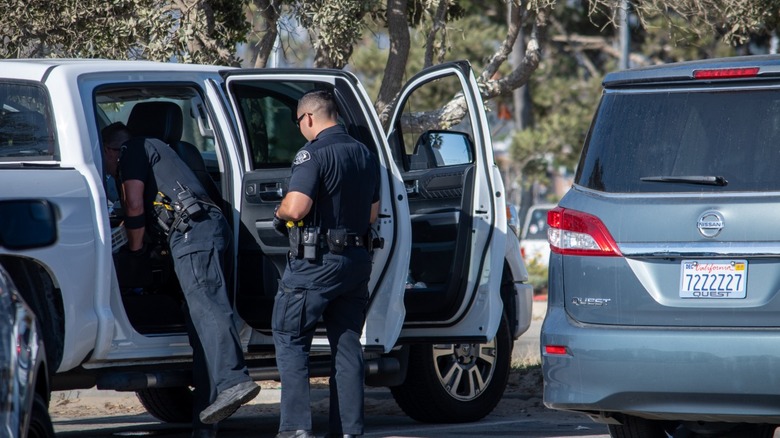
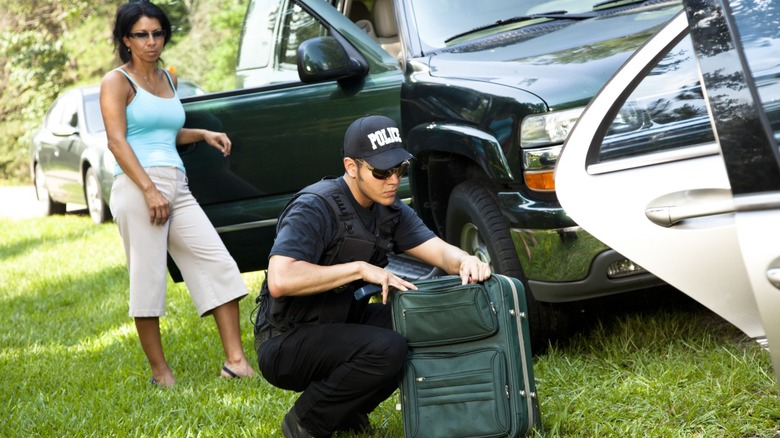
In 2013, Clarence Jamison was stopped in Mississippi because a police officer claimed Jamison's temporary tag on the back of his recently purchased car was folded up. According to Jamison, the cop asked him five times if he could search his car before he finally agreed. By the time the search was over, Jamison claimed the office had caused over $4,000 worth of damage to his vehicle, and nothing illegal was found. Is this kind of thing legal? How aggressive can a search be?
Gillian Friedman: "Law enforcement has significant discretion during a lawful search, and some incidental damage is not automatically unconstitutional. However, the search must remain within a reasonable scope. Unnecessary or excessive destruction may be unlawful. It is advisable to document any damage thoroughly."
James DeSimone: "In broad terms, police can search as thoroughly as a warrant would have allowed when probable cause is tied to specific facts ... if they have probable cause to search your vehicle, based on specific facts establishing probable cause, they can remove door panels, take apart your dashboard, pull your bumper, cut open your gas tank and so on. That said, you can have a case if they've gone too far, causing damage well beyond what a reasonable search would entail. Your case would need to prove that the search was excessive, punitive or careless."
Are my passengers subject to search, too?
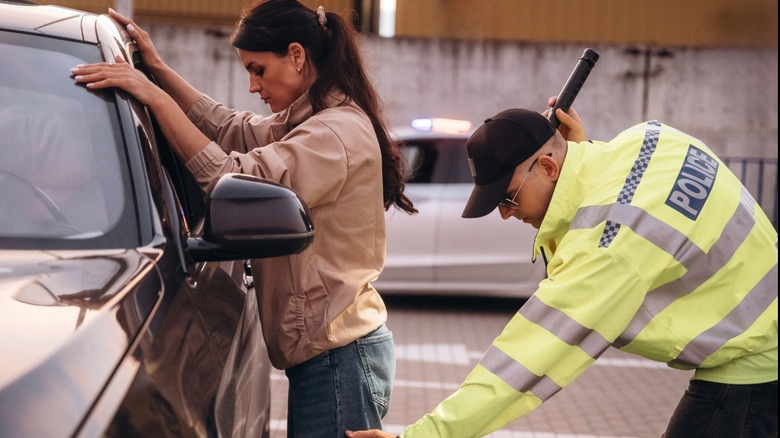
According to a 2022 report by the U.S. Department of Justice, 3.8 million U.S. residents 16 years of age or older experienced their most recent traffic stop that year as passengers of a car that was the subject of a traffic stop. This can seem unfair to passengers, who may have nothing to do with why the driver was stopped in the first place. As the U.S. Supreme Court acknowledged in Brendlin v. California, a traffic stop qualifies as detaining passengers as well as the drivers, since the passengers are delayed from their travels, as well. So, what are the rights of passengers? Can they be searched, too?
James DeSimone: "The motor vehicle exception applies to searching the vehicle only. Searching the driver or passengers requires a separate justification tied specifically to that individual, not just the fact that the car itself is being searched. The police can pat down anyone in the vehicle if they have reasonable suspicion that they are armed. This could be a bulge in their waistband or making repeated hand movements near the waistband."
Gillian Friedman: "Not automatically. Searching a passenger's person requires separate legal justification. However, under Wyoming v. Houghton (1999), law enforcement may search a passenger's belongings left in the vehicle if those items could contain the object of the search."
What if I'm driving someone else's car? Can they still search it?
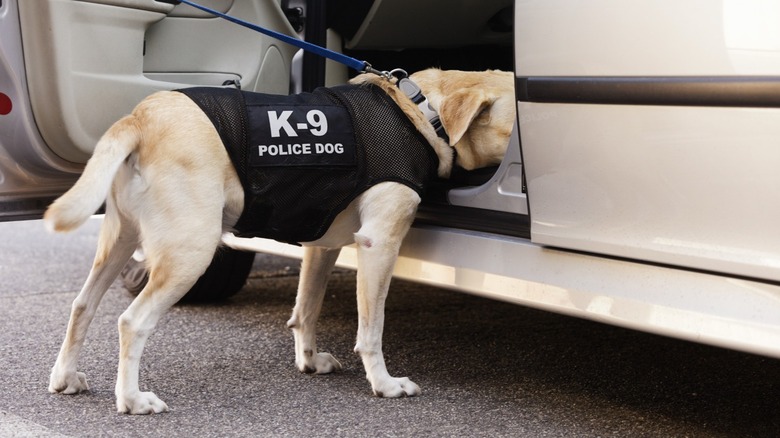
You may be wondering if you have the same rights as vehicle owners if you're borrowing your friend's car or if you're renting a car. You're not the owner, so do you have the right to decline a search? You might even be curious if you should do your own search for contraband before borrowing a vehicle. Depending on who your friends are, that may not be a bad idea. Taking steps at the beginning to avoid any problems should be easier than persuading a judge or a jury that the unregistered gun in the trunk didn't belong to you. So what if you're driving someone else's car? Can the cops still search it?
Gillian Friedman: "Law enforcement may still search the vehicle. Notably, Byrd v. United States (2018) determined that even a driver not listed on a rental agreement may have a reasonable expectation of privacy. Therefore, you may still be able to challenge an unlawful search."
James DeSimone: "Yes, someone else's car can still be searched as if it is your own, and the same rules apply. Police still need probable cause or your permission. And if your friend lends you a car that turns out to be stolen, you wouldn't have an expectation of privacy in it, since there's no legitimate expectation of privacy in stolen property."
Do they have to read me my rights before the search happens?

"You have the right to remain silent. Anything you say can and will be used against you in a court of law. You have the right to an attorney." Anyone who has watched enough Law & Order could probably recite Miranda rights, or at least the TV version of them. The public perception is that those rights must be read to someone who is being arrested. But does that also apply to searching you or your automobile? Do the cops have to read you your rights before they search your car?
Gillian Friedman: "No. Under Miranda v. Arizona (1966), warnings are required only for custodial interrogation, meaning questioning after you are in custody, and do not apply to searches. Law enforcement may lawfully search your vehicle without providing Miranda warnings."
James DeSimone: "Nope. Miranda warnings are a Fifth Amendment protection against self-incrimination. Police can lawfully search a car without ever Mirandizing anyone. If they later question you in custody without a Miranda warning, that could make your statements inadmissible. But Miranda has no bearing on whether a car search was legal or not. There is no independent requirement for the police to inform you of your rights related to a vehicle search and personal searches, including no obligation to tell you about your right to refuse, the basis of the search, or the specific crime they are investigating."