

The Number Of Cities That Have Dropped Flock Camera Contracts Has Quietly Been Exploding
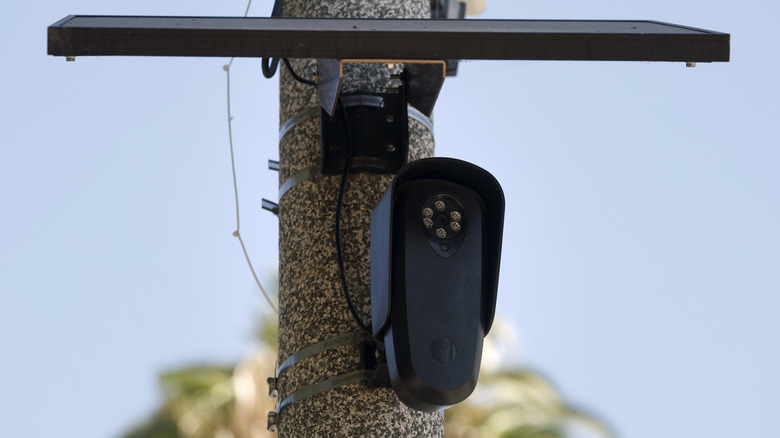
The race to end your local Flock contract is off! Or at least, the speed in which municipalities have taken to dropping the questionable automatic license plate readers and dodgy company has increased tenfold within the last couple of months.
Larger cities began pulling off the wool that was covering their eyes earlier this year when investigations performed by authorities and media revealed how ALPR data was being used, and who was using it. One of the stories surrounded Dayton, Ohio, where officials found data was shared with the Department of Homeland Security and Immigration and Customs Enforcement. Then its hometown newspaper found in its investigation of the cameras' data that several law enforcement agencies were conducting inappropriate searches. Search history included "immigration," "abortion," and cultural stereotypes.
As media outlets like us began covering the ALPR abuse use cases more often — especially after friend of Jalopnik, The Drive's Joel Feder, had an encounter with police in a Range Rover press car that Flock cameras had wrongfully flagged — more municipalities both city and county have been getting questioned by their own constituents as to how ALPR data was being used, and who was accessing it. Some outright demanded they get shut off. That escalated to the people taking matters into their own hands if their councils didn't take what they said to heart.
The topper to the ALPR disaster cake was when Florida, of all states and places, announced the takedown of its ALPRs on state highways. Texas ended funding for ALPR cameras as well, leaving some municipalities in a state of limbo regarding what to do with upcoming contract renewals. Now Flock contracts are being canceled or rejected faster than the vigilantes taking to tearing down the cameras in their areas.
The snowball effect of ending Flock contracts
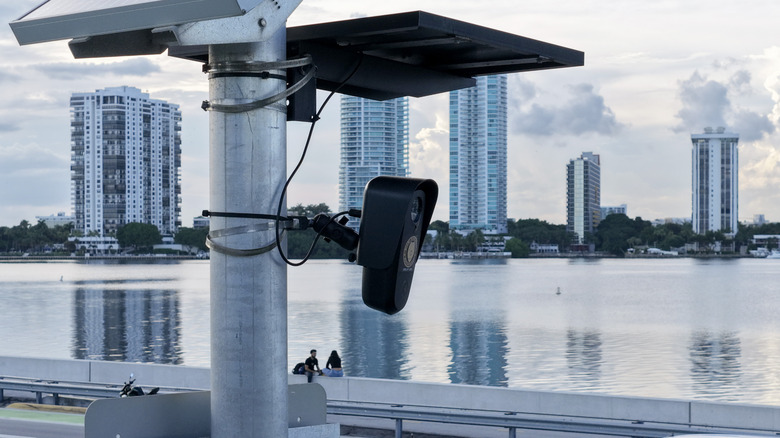
It's been nearly impossible to keep up with how many cities and areas have nixed the system. Sites that are tracking the progress show differing numbers, all dependent on how they classify the cancellations of Flock cameras. Deflock.org, a site dedicated to mapping where ALPRs or LPRs are located in the United States, states there are 143,356 LPRs mapped in the country. It also states that 153 cities have rejected them, noted in a table as "Recent Victories." Newsweek used Deflock's data to better illustrate those rejections thus far. According to the data it's aggregated, 149 cities and counties canceled or rejected contracts, or deactivated the cameras in 2026, and that only accounts for January through August. More than half of those happened in the month of August alone.
The number is still growing. A quick search through the last month showed on September 29, Newburgh, New York, issued a resolution to end its contract with Flock Safety. South Lyon, Michigan, according to ClickOnDetroit, voted that same evening 5-2 in a city council vote to reject a renewal of its Flock Safety agreement. The week prior, another Michigan city, Sturgis, voted to let the contract expire, according to MLive. Boynton Beach, Florida, also voted in September to let its contract expire November 18, according to the Palm Beach Post. Many cite concern with privacy for its constituents as well as the flood of controversy surrounding the surveillance cameras
Even Flock's contracts are making people feel icky
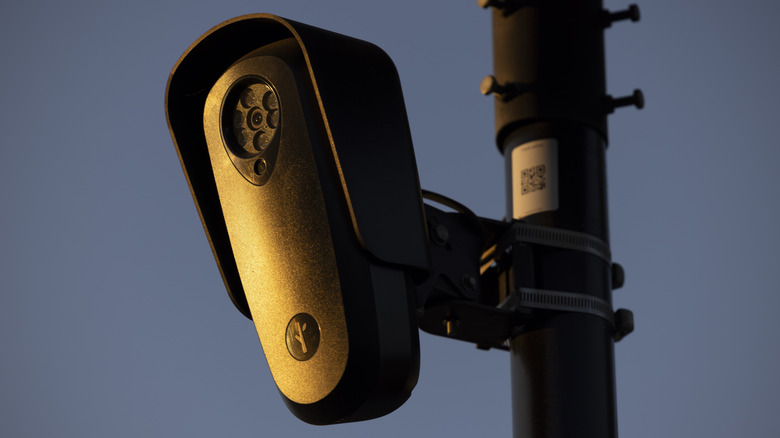
The small town of Oberlin, Ohio, part of Lorain County, also announced at the end of September that it, too, would end its Flock Safety contract. The Oberlin Review reported that the end to the contract was not because of the related controversies or problems with the public's privacy and security, as the individuals protesting the cameras there have contested. Instead, it was due to an increase in pricing. Lorain County Sheriff Jack M. Hall told the paper, "The reason to terminate Flock specifically was the significant changes in the proposed user agreement by Flock, which swung the contract to benefit Flock in disputes. These disputes ranged from changing the venue of litigation from Lorain County to medication in Atlanta, and damage claim processes the county prosecutor's office was not comfortable with."
A change in contract could explain some of the recent accelerated ends to Flock contracts. Is anyone else also curious as to what would make the prosecutor's office uncomfortable? Not every Flock terminated contract is a win, though. A few cities and counties have just moved on to other, possibly more problematic ALPR systems, like Axon. You know, the makers of police body cameras. There's even more where that came from.
Is there a future without these cameras anywhere? It might be a far-distant dream, but maybe it's not impossible. Organizations like the Electronic Frontier Foundation and the American Civil Liberties Union continue to fight the good fight, helping the measly, supposedly nobody citizens of our country to take on the big bad local governments to put an end to this 24/7 seemingly all-access surveillance technology. If they can't help, Flock's reputation sure is doing god's work at getting themselves shut down.