

Puke And Poop Are Just Part Of The Nightmare For Waymo's Fleet Handlers
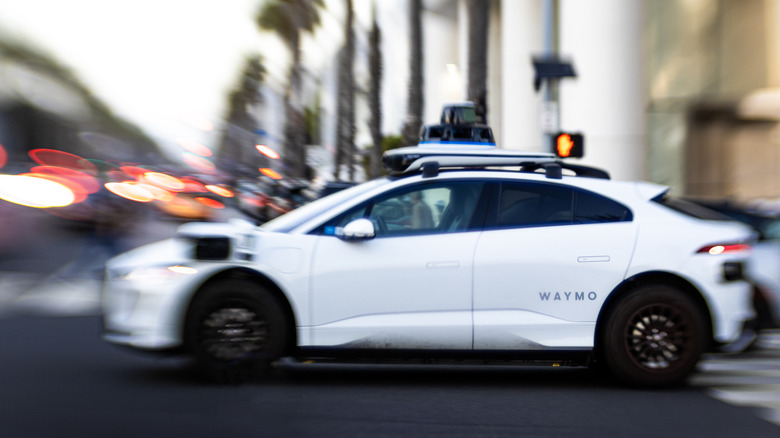
Tech bros dreaming of building trillion-dollar business empires view driverless taxis as rolling money printers, but their equations largely ignore the people who need to clean and maintain them. With no driver physically present to deter filthy behavior, Waymo passengers are fully willing to vomit and crap inside Waymo's Bay Area vehicles. And while that's a disgusting experience for the next paying customers, the mess is far worse for the contractor tasked with cleaning out the driverless taxi when it returns to the garage.
After Waymo's 2020 launch of true driverless rides in Phoenix, the service expanded to 14 cities across the country, and there are even more markets on the horizon. The company's fleet of over 3,800 vehicles is maintained by a network of depots, each staffed by approximately 70 workers. The Bay Area Current interviewed a robotaxi handler who worked at one of Waymo's San Francisco-area depots earlier this week. Their job was to make sure the cars were parked in the correct spot, recharged, their data collected, and any technical issues fixed.
If the car was damaged, or more specifically if it needed cleaning, it was "escalated" to someone whose job was to clean vehicles. The handlers arguably drew the short straw because vomit and feces need to be constantly wiped up, especially on weekend nights. I know this is a far better alternative than someone getting behind the wheel drunk, but some passengers have no consideration for what they're putting these workers through. The fleet handlers also mentioned some unusual perishable items that one customer left behind:
"One time there were two pig heads in the backseat of the car and the cleaner had to clean it up. I assume they just went to the market to make a stew or something, but they forgot their pig heads. They were just rolling around in the back of the car."
Waymo's operations seem to be a complete shitshow behind the scenes
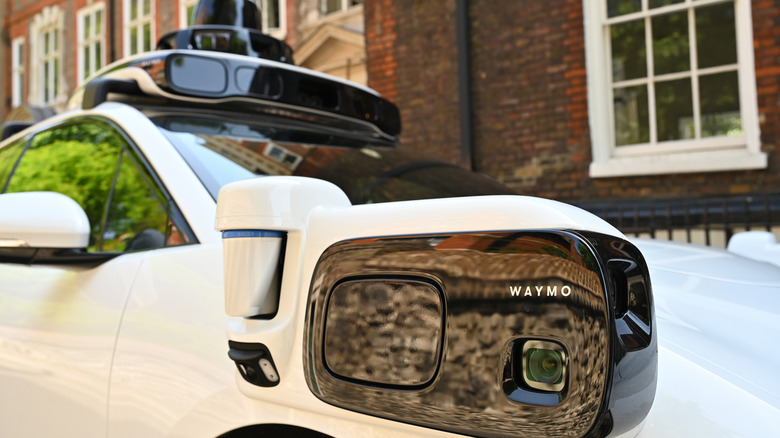
It's important to note that the interviewed robotaxi handler didn't actually work for Waymo directly. He was a contractor for Transdev US, which sells its services to Waymo. It's a common practice among tech giants to reduce their liability by keeping as much distance as possible from the people actually doing the grunt work. It doesn't make things simpler for contractors, though, because they still have to go through different orientations with Transdev, Waymo and Google, the robotaxi service's parent company. This is then followed by only a week of training.
Once on the job, handlers in the San Francisco Bay Area are shuffled between depots and do not know their shift location until two hours beforehand. All this hassle to make $29 per hour to clean crap from the back of a car.
When asked if passengers could be blacklisted for bad behavior, the handler wasn't quite sure and later added that no one really reviews the footage from the camera-laden cars because there's no professional benefit to doing so. It's not entirely a surprise, as Waymo stated earlier this year that it employs only 70 remote assistant agents. Yes, the company's massive 3,000-vehicle fleet relies on just 70 people if a vehicle gets stuck, caught in a loop, or wanders into an awkward situation.