

How Chasing Average MPG Improvements Brought More Tech To Cars (For Better Or Worse)
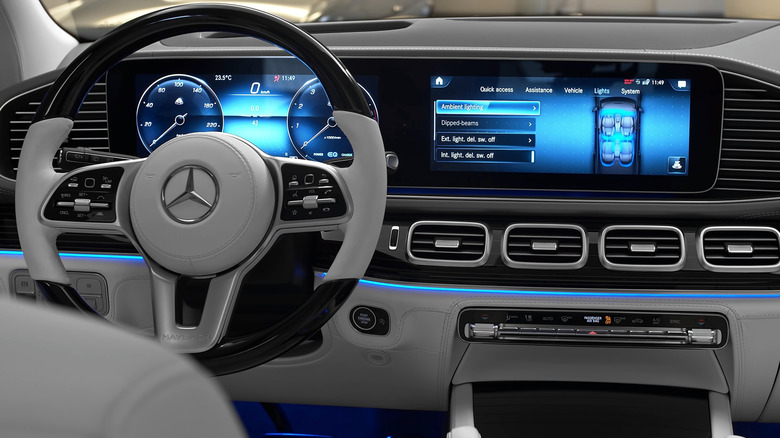
If you took the average passenger vehicle from 50 years ago and compared it to the average passenger vehicle in 2026, you'd doubtless see a host of differences. The first thing you might notice is that the average car of the past looks a lot different, both stylistically and functionally. The boxy, angular body design of the past has largely disappeared. Similarly, sedans and wagons — which represented over 75% of all vehicles in production — make up only a sad, sad 25% of the cars in production today according to the Environmental Protection Agency (EPA). Despite this trend toward larger cars, average fuel economy estimates have also risen significantly since the 1970s.
Similarly, the amount of tech available in cars has ballooned massively. Sure, the first proper computer was introduced into a car in the '60s, and the first oxygen sensor arrived in 1976, but those little electronic nuggets are a far cry from the screen-centric, computer-rich design of modern cars, with features like surround-view cameras and over-the-air updates. While correlation does not equal causation, the EPA has analyzed data from the last 50 years to show that average mpg improvements are indeed directly tied to the increasing presence of tech features.
The reason for this trend is more intuitive than it may seem. As automakers worked to improve gas mileage to meet federal and state regulations, they needed ways to monitor and control the car's systems at a finer level than before to increase efficiency, leading to the introduction of computerized systems. This is how we've ended up with start-stop systems and selective cylinder deactivation. These don't take a modern computer's full processing power, though, leaving room for adding ancillary systems.
CAFE standards have controlled MPG increases for decades

Automakers have jammed progressively more technology into cars for years thanks to the innovations introduced to improve fuel economy, but those companies weren't scrambling to improve their fleets' average mpg out of the goodness of their own hearts. No, their collective efforts were the result of legislation. The Clean Air Act, passed originally in 1963 and amended several times since, was one of the U.S. government's first attempts at addressing air pollution and eventually began regulating motor vehicle emissions. Later, the Corporate Average Fuel Economy (CAFE) standards were passed in response to the 1973 oil crisis, and they regulate the average fuel economy an automaker must meet when measured across its fleet's sales.
These CAFE standards have been tightened several times over the years and have been linked directly to the innovation of fuel-saving technologies. They also have historically required automakers to meet progressively higher goals or face fines of $14 per one-tenth of a mile per gallon by which the goal wasn't met. Yearly required fuel efficiency increases have varied, with expectations as high as a 10% annual increase starting in 2026.
If such incredible gains in fuel efficiency sound too good to be true, well, you're not wrong. The law requires an average increase over a given manufacturer's fleet, rather than an increase in individual models, meaning automakers can sell gas guzzlers as long as they sell enough efficient cars to offset it. Also, these previously ambitious goals have been rolled back and the fine for not meeting CAFE standards has lowered to a cool $0. You read that right: the Trump administration is working hard to make cars less efficient.
Is more tech actually a good thing?
We've all been asking ourselves this for years now. Sure, playing "Stardew Valley" on your Tesla is quirky and fun, but has all this extra tech actually made driving better or safer? Or has increased fuel economy only brought with it increased headaches? The truth is, of course, somewhere in the middle. When cars are loaded to the gills with screens, meters, and gamified driving stats, no amount of on-screen safety warnings is enough to stop drivers from getting distracted. But in-car tech improvements go way beyond features nobody asked for with obnoxious failure points and the flashy infotainment systems that automakers like Mercedes-Benz want you looking at so badly.
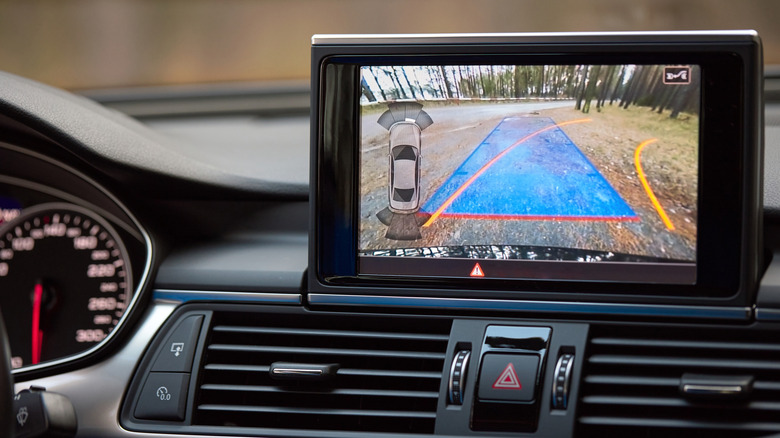
Even on the infotainment screen, there are plenty of Apple CarPlay and Android Auto features that make long highway trips better, whether they're media playback controls, voice commands, or maps. And whether we like the screens or not, studies show that backup cameras make driving significantly safer by cutting severe backover injuries involving children in half and reducing fatalities by 78%. As annoying as lane-departure warnings can be, they help prevent crashes, and blind-spot monitoring lowers the risk of lane-change collisions, according to the Insurance Institute for Highway Safety (IIHS).
We're sure to continue seeing technological innovations in automobile safety that rely on cars being highly computerized. Take the full-length roof airbag on the new Genesis GV90, for example. This could change the way manufacturers think about and prepare for rollover crashes. Time will only tell if every good innovation will be met with another obnoxious, distraction-causing one. We sure hope not.