

How To Keep Service Records The Right Way (And 4 Things You're Probably Forgetting)

Of all the car maintenance skills every adult should know, keeping track of everything is an easy one to overlook. Oil change receipts pile up in the glove box, tracking apps that you downloaded with the best of intentions go unpopulated, and that major repair bill that was once the centerpiece of a terrible week is now all but forgotten half a year later.
What's interesting is that while anyone can tell you that keeping service records is a good idea, they probably don't have a lot to say about how to actually do it. You don't need a museum-quality archive of every time you rotated the tires, and you probably don't need anything as nice as what the old guy sitting in a lawn chair next to the spotless Corvette at the Sunday car show has. But having a general sense of what you should be keeping track of, which bits of paperwork help you accomplish that, and how you're going to keep it all together can be the difference between having a nice little folder of records and losing it all to time.
Why bother keeping service records at all?

Wanting to properly maintain your daily driver is just as valid a reason as trying to preserve the value of your collector car. In the first case, you might be the only one who ever sees them. With a collector car, they might end up in a nice binder that becomes the last photo in your auction listing and makes a real difference in someone's decision to buy. Plus, you don't want to be the reason someone needs to figure out how to find a car's service records when the seller doesn't have them.
In either scenario, keeping records lays a great foundation for taking solid care of a vehicle. A documented history of repairs and services can help you and your mechanic make good decisions informed by the right facts and context. Those records can also be the difference between victory and defeat if you end up having to fight for warranty coverage. In one example that ultimately attracted national media attention, Kia declined a warrantied engine replacement, not because the owners didn't have service records (they had tons of them), but because the records didn't include the VIN or odometer readings. After CBS News contacted Kia, the automaker reversed course and approved the replacement.
What a good service record should actually include

Your service records should create a tangible history of what has happened with the car over time: when it was serviced, what was repaired or replaced, what maintenance was performed, and how many miles were on the odometer when it happened. So whether you're changing the engine oil or changing the engine, you keep (or make) a record of it.
What's important to remember here is that a receipt or even a work order might not include everything you'll want or need to know later. Maybe the oil change place doesn't include the odometer reading on their printout, or maybe the guy entering the job went with "999999" because a line of cars was threatening to make a liar out of the "10-minute oil change while you wait" sign on the marquee outside. You'll want to make sure that each job, big or small, ends with a record that includes a date, the vehicle's VIN, the repair or service, the materials used, the cost of both parts and labor, and the odometer reading when it all happened.
An oil change sticker isn't a replacement for a detailed record, and neither is a date scrawled on the side of your new battery. Not only do those quickie "good enough" approaches tell just part of the story, but they're also unlikely to impress a future buyer.
Paper or digital?

This one is as personal as a preference about calendars or to-do lists. The right answer is whichever format you'll actually keep up with. The obvious old-school solution is a folder, binder, or accordion file where everything related to the car gets to live. Unless the car is very maintenance-intensive, is the subject of a major restoration or modification, or is going to be with you for decades as you try to get it to last 300,000 miles, this likely isn't going to be a huge amount of paper to manage. Regardless of where you put it, paper can be convenient because most pros who touch your car will give you hard copies of the paperwork, and it really doesn't get any easier than sticking them in the file folder or whatever you're using.
Digital records are a great solution, assuming your brain is wired that way. This may sometimes involve scanning things — not every shop or mechanic offers digital delivery of work orders and invoices. But if you've got a good handle on the soft copies or are willing to lean into an app or online service to get the job done, the benefits are obvious: digital records are searchable, always where you left them, and easy to get your hands on if you need them. Some manufacturers even integrate a records manager into their online vehicle services, but be careful. Nissan, for example, encourages owners to use its Service Record Manager, but also says to keep copies as a backup. Besides, if you get into a warranty throwdown like the one in that Kia example, do you really want the automaker to hold your only copies?
Keep one running history, not a pile of receipts

Even if you're meticulous about keeping every bit and piece of automotive paperwork that comes your way, you can still end up with something that's more of a hoarding exercise than a useful service history. The trick is making sure all those individual records add up to a narrative you can actually follow.
That can be as simple as putting everything in chronological order and maintaining a running log with the date, mileage, and work performed. AAA recommends keeping repair invoices and maintenance records together so you can see when work was last performed and use that information to plan what comes next. Consumer Reports similarly recommends comparing a vehicle's service records with the manufacturer's maintenance schedule, which is a whole lot easier when you're looking at an organized history instead of digging through a stack of unrelated receipts.
This idea isn't exactly new, either. Back in 1989, Hot Rod suggested putting together a custom owner's manual containing maintenance records, receipts, replacement-part information, instructions, and other useful documents. The technology has changed, but the basic idea hasn't. Whether you use a spreadsheet, an app, or a notebook, or you just keep the paperwork in order, the point is to be able to answer a couple of simple questions without too much head-scratching: What happened? When did it happen?
You're probably forgetting: DIY maintenance

We're obviously big believers in working on your own car if that's in your wheelhouse or leaning into simple car mods you can do yourself. Just be careful, as it's very easy to lose track of what you did, when you did it, what parts you used, and what you spent. The last thing you probably want to do after you've finished dutifully cleaning up from your driveway oil change is write up a little diary entry about it, but that's exactly what you should do.
When you do this stuff yourself, it's a lot harder to piece together a forensic trail later if you're trying to remember whether you actually rotated your tires on Labor Day weekend or just planned to before getting distracted by a timing belt adjustment. With no wad of work orders crumpled in the glove box or hiding among your old emails, you'll be hard-pressed to know exactly what went down, much less relay that with any confidence to a future mechanic or potential buyer.
All the rules above still apply, but the burden is all on you. And remember that no job is too small to deserve a little note for the benefit of future you. Being able to look up the date when you last swapped out your wiper blades means that your next replacement doesn't have to be prompted by suddenly not being able to see where you're going in the rain.
You're probably forgetting: repairs and diagnostic work
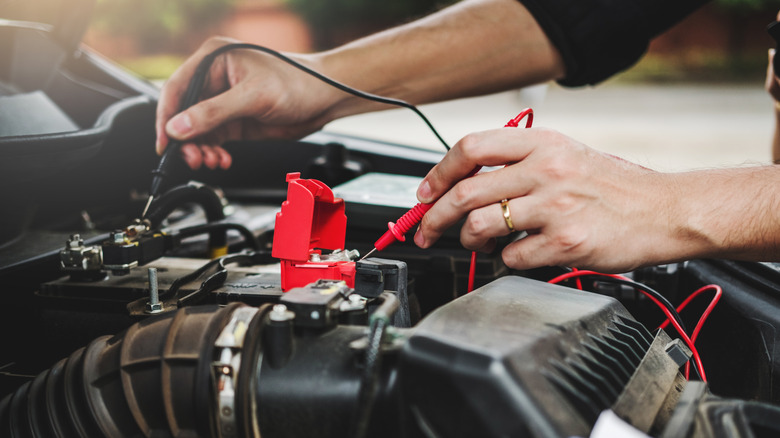
When it comes to service records, everybody thinks of oil changes and tire rotations. But it's important to remember that you'll want a paper trail of any nonroutine service work that happens, including anything you go through as part of the process of figuring out what's even going wrong. If you get a diagnosis from one shop and have the work done at another, save all that. If you get something done that you weren't planning on because it came up during your state inspection, save that, too. It can all be part of the puzzle later, and it's easy to lose track of this stuff when you're stressed out and just trying to keep your car on the road.
Being able to tell the full story leading up to a repair and provide detailed context on the history of the vehicle can also help your mechanic get to the bottom of a puzzling issue or repair. A knowledgeable mechanic can save valuable time and aggravation if they can see with confidence exactly what work has been done before and perhaps rule out certain possibilities without having to spend a bunch of time on them. This is not a time to rely on your memory. Even if you trust yourself, the shop probably doesn't.
You're probably forgetting: work you didn't pay for

A zero-dollar invoice is still part of your car's history, even if it doesn't exactly touch your heart on account of not touching your wallet. This could be complimentary maintenance that came with the car, in-warranty repairs, goodwill work, or even recalls. Maybe it's part of a third-party warranty or a service contract. Whatever the reason someone else picked up the tab for a change, your car doesn't care one way or the other, and it's important not to lose track of the financially painless service transactions.
Another side of this? Work that you declined. If your inspection revealed a noncritical bit of work that you swore you'd take care of later, keep that paperwork. If your mechanic comes at you with a handful of "while you're in there" suggestions that you reject in whole or in part, keep that paperwork, too. It's not important because one day you might have to prove to a potential buyer that you skipped a transmission flush. That can be between you and your binder. Rather, it's important because it will help you stay on top of work that should probably be addressed in the relatively near future and help you plan for your next visit. It might even help you avoid some of the car maintenance mistakes that are making your mechanic rich.
You're probably forgetting: parts and repair warranties

You're likely not going to lose track of your car's manufacturer warranty. It's spelled out in your warranty booklet and easy to find online, and if you shelled out for a new car, it's probably a good part of how you do the car math that lets you sleep at night. But what about warranties provided by shops on their work? And parts warranties on things that replaced other things, or aftermarket upgrades? They're going to have their own starting points, breadth of coverage, and mileage windows. Tracking all that could help you avoid paying for something twice when you don't have to, but only if you can keep the facts and timeframes straight.
Do your tires seem to have worn out faster than they should have? You might be covered by a mileage warranty and entitled to a prorated replacement. Battery give up on you early? Same deal there. But only if you have documented answers to the questions of when you made the purchase, what you bought, and sometimes how many miles have passed on the odometer since then. Hang on to your warranty cards for consumables like these, and even for things like mufflers. Lifetime warranties on car parts are also a thing – you just need to understand how they work and have the paperwork to back them up.
Good records make your car easier to own

If all of this sounds like a lot of paperwork for something that mostly just gets you from home to work and back again, remember that the goal isn't to create the automotive equivalent of the Library of Congress. It's to make future decisions easier.
A well-kept history can help you figure out what maintenance has already been done and what should probably come next. It can also give your mechanic useful context about previous repairs and help avoid repeating work or diagnostic steps unnecessarily. And if you eventually sell the car, service records and receipts can give the next owner a much clearer picture of how it was maintained.
More importantly, you don't have to remember any of it yourself. You don't have to wonder if that brake job was two years ago or four, if the battery still has warranty coverage, or if somebody smart already investigated that weird noise coming from the front end.
That's really the payoff here. Whether your system is a carefully labeled binder, a cloud folder, an app, or a beat-up manila envelope in a kitchen drawer, it only has to do one thing well: provide a reliable answer when future you inevitably asks, "Wait, when did I do that?"