

Minneapolis Proposes Requiring A Human Behind The Wheel In Waymos
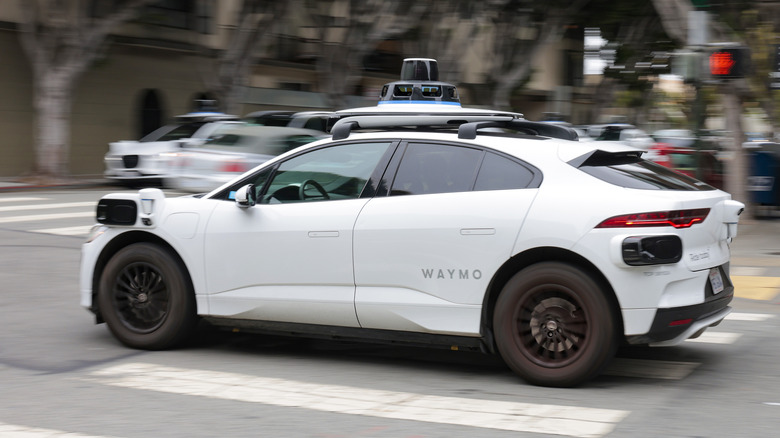
Reception has been mixed as Waymo keeps expanding its robotaxi fleet to more and more cities. Los Angeles seems to have embraced them after a rocky start, while Boston flipped the bird to proposed operations there. Minneapolis has proposed a unique approach, reports Axios: requiring a human monitor behind the wheel at all times.
Waymo is already testing in Minneapolis. As usual for this early phase of deployment, the cars do not transport passengers, and there's a human in the driver's seat, either driving while the car collects data or monitoring its autonomous operation. The proposed rule, called "Workers Drive Minneapolis," would not change how Waymo operates in Minneapolis today, but it could have a dramatic effect on how it transports passengers later.
According to MinneapoliMedia, the proposal would require any autonomous rideshare company to get a license from the city before starting operations. That's pretty standard. What's not so standard is the requirement that a licensed driver must be within immediate reach of the controls at all times. The proposal also requires that driver to be paid at least the applicable minimum wage. From the Minneapolis Star Tribune:
"Workers Drive Minneapolis is about public safety and protecting immigrant workers from losing their jobs to automation," [City Council Member Robin] Wonsley said. "Without it, Minneapolis workers and residents are vulnerable to all the negative impacts of robotaxis without any regulations or accountability mechanisms in place."
Requiring someone in the driver's seat at all times is the antithesis of fully autonomous transportation. Axios reports that Waymo called it "a de facto ban on autonomous vehicles." And Waymo is right. Having to pay human workers behind the wheel a fair wage could disrupt its autonomous business model to the point of not being worth operating in Minneapolis at all.
The human factor
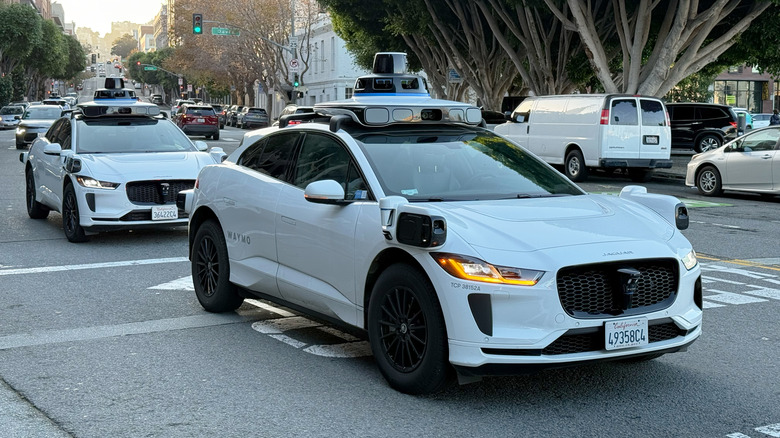
The main driving force behind this, as the name would indicate, is protecting the jobs of human drivers. If an Uber driver could no longer make ends meet after Waymo moves in, they could theoretically go work for Waymo as a robotaxi monitor. And while a robotaxi can get you to your destination, there are many other things it can't do. From Southwest Voices:
"As a driver, I have helped passengers who are intoxicated get home safely, helped elderly passengers with groceries, listened to passengers who are sad and helped make their days better. Robotaxis can't do those things. Having humans in the driver's seat isn't just more safe, it's good for our community," said Abdullahi Abshair, a member of the SEIU Local 26 Rideshare Driver Organizing Committee who has been a rideshare driver for three years.
Safety is certainly an important factor as well, as fully autonomous Waymos have caused their share of issues in other cities. They've jammed up roads, blocked emergency responders, and blown by stopped school buses, even after that problem was supposed to have been fixed. A human driver would not have made many of the strange foul-ups that Waymos have, like casually cruising through the middle of a police felony stop.
There are those, including the IIHS, who say that despite these issues, robotaxis are safer than human drivers. Even if that's true, it doesn't address the issue of human drivers getting displaced from their jobs by machines, which is the main focus of this proposal. It's a unique approach. Other cities have said no to Waymo before. At a public hearing on September 22, Minneapolis may say yes, but only if Waymo preserves these jobs. It would send a message that a simple "no" does not.