

After Only Three Years On Sale The Honda Prologue Is Dead
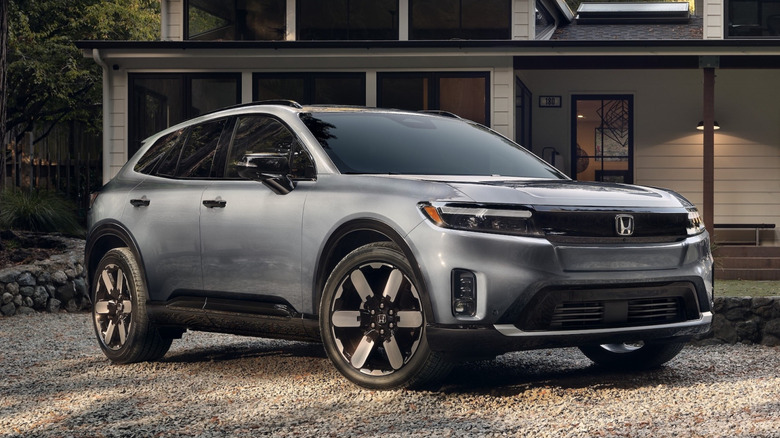
The last vestige of Honda's electric car efforts in the U.S. is going away — after just three years on sale, the Honda Prologue will be discontinued after the 2026 model year. In a statement to CarBuzz, a Honda spokesperson said, "Honda will conclude sales of Prologue later this year following completion of the 2026 model year. Prologue customers will continue to receive full support through our dealer network, including service, parts, and warranty coverage."
Born from of a joint venture with General Motors, the Prologue has only been on the market since March 2024, when it launched as a 2024 model year. As its name suggests, it was supposed to serve as a precursor to a whole range of Honda 0 Series EVs built and developed in-house. All of that was completely canceled earlier this year, and the Acura version of the Prologue, the ZDX, was discontinued back in September.
Built on the same Ultium platform as the Chevy Blazer EV and sized similarly, the Honda Prologue is produced at GM's Ramos Arizpe Assembly plant in Mexico, which means it's subject to a 25% tariff when it's shipped to America.
No longer a good fit
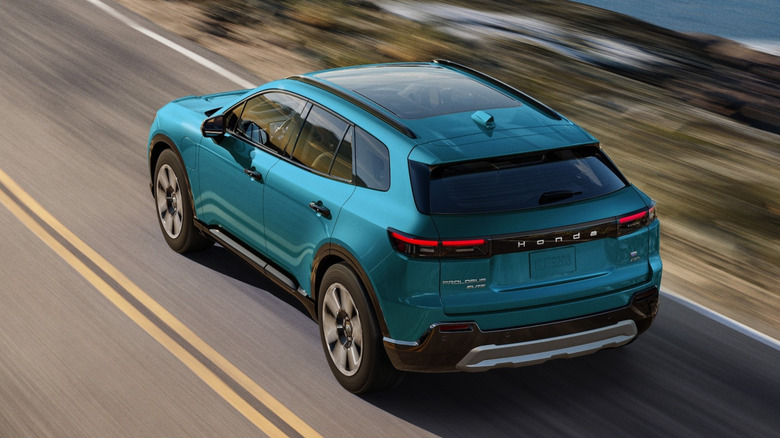
At one point in its life, the Prologue was one of the best-selling new EVs in the U.S., but those days are no more. In the first half of 2026, Honda sold 8,407 Prologues in the U.S., down 48.5% from the same period last year; for perspective, the brand sold 226,114 CR-Vs over the same timespan. This makes it the second-slowest-selling Honda, and the only one that sold worse was the new Prelude, which just started ramping up production.
With all that in mind, the Prologue's demise shouldn't really come as a shock, especially considering just how adamant Honda has been about backing out of the EV game. The company's EV-shutdown write-offs totaled almost $10 billion, and cars it was already in the process of rolling out, namely the would-be Ohio-built Acura RSX and the Afeela joint venture with Sony, will no longer happen.
Honda named the Prologue explicitly with the expectation that it'd serve as the gateway to a whole slew of all-electric products. Now, it looks like history will remember it as the short-lived intro to a book that, for now at least, none of us will get to read.