

F1 Ditching 50/50 Combustion-Electric Power Split For 2027
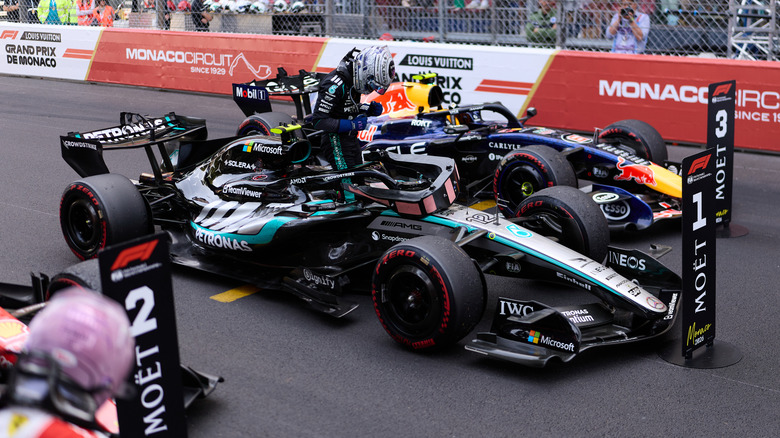
Despite an incredible amount of passing throughout the field during Formula 1's early-season races, the drivers have been up in arms about how crucial energy management is under the new 2026 regulations. And it looks like they got what they were pushing for. The FIA confirmed on Wednesday that F1 will be abandoning the 50/50 power split between the internal combustion engine and the energy recovery system from the 2027 season.
Heading into 2026, F1's organizers and manufacturers had the ambitious goal of having an even split between combustion and electric power. They didn't quite get there and ended up with a 53/47 split: 400kW (536hp) from the ICE and 350kW (469hp) from the MGU-K. However, the electrical component was underbaked. The teams are using the same capacity batteries they've used since 2014, despite the electrical power output having more than doubled. This led to a significant amount of time every lap, beyond braking, being devoted to harvesting energy.
The changes approved mean a 2027 power split of 58/42, with 420kW (563hp) from the ICE and 300kW (402hp). That's just the first step towards a 60/40 split for the 2028 season with an additional increase in combustion power. Peak harvesting power will also be increased by 25kW over the next two seasons to reach 400kW by 2028. These changes should severely reduce lift-and-coasting and super-clipping.
The FIA President wants louder engines and no term limits
F1's stakeholders didn't immediately come to an agreement on these rule changes. The power unit manufacturers weren't sure how quickly they could adapt their engines to the amendments. The fuel flow limit was a big sticking point during the negotiating and voting process. It was decided to implement a 5% increase next season, with a 13% increase in 2028 to accommodate the added combustion power.
Admittedly, Formula 1 teams were initially delighted by this season's frantic style of racing. The tone changed, though, after Oliver Bearman's 50G crash at the Japanese Grand Prix. The drivers' complaints about not being able to push every lap flat-out shifted to an argument about safety.
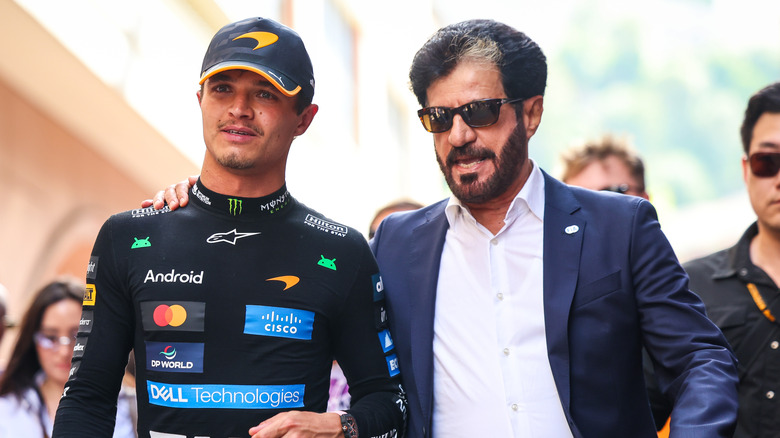
FIA President Mohammed Ben Sulayem was staunchly against F1's 50/50 experiment from the beginning. The deeply unpopular chief previously lobbied for F1 to use naturally-aspirated V10 engines with sustainable fuel. Automakers and F1's organizers laughed off the idea. Now, he's championing a return to V8s. The revised idea is now receiving a warmer reception, especially with fans. However, he's attempting to use this boost in public opinion to remove the FIA's term limits and remain in power indefinitely. From his swearing ban and near-constant conflict with F1, Ben Sulayem has long shown authoritarian tendencies. The sport shouldn't allow a dictator to take control just because people childishly hate hybrids and want loud, archaic engines.