

Has Car Ownership Become So Expensive It's Basically A Luxury Now?
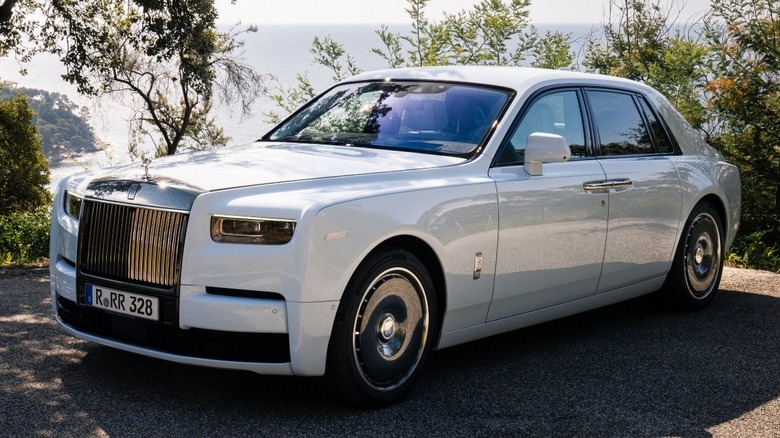
These days, cars are expensive, insurance is expensive, and gas is expensive. All these costs add up, and it's a lot. It's getting bad enough that 39% of respondents to a recent LendingTree survey say that owning a car is a luxury they can't afford. We're not talking about a Rolls-Royce here, but owning any car at all. That's not only bad news for us individually, but also for a society that's pretty much built around owning a car.
Both new and used car prices are high, and so are the loans most of us need to afford them. According to LendingTree, the average annual cost of loan payments is $7,275, which translates to $606.25 per month. Nearly 20% of loans now cost $1,000 per month or more. These loans are also stretching longer than ever, with seven-year loans becoming common just to keep the monthly payments down a little.
"One long-held rule of thumb is that a monthly auto payment shouldn't exceed 10% of monthly income, and that your overall auto-related expenses shouldn't top 20% of your income," says Matt Schulz, LendingTree chief consumer finance analyst. "That so many people are topping that 20% threshold with their car payment alone is definitely troubling."
It's more than buying the car
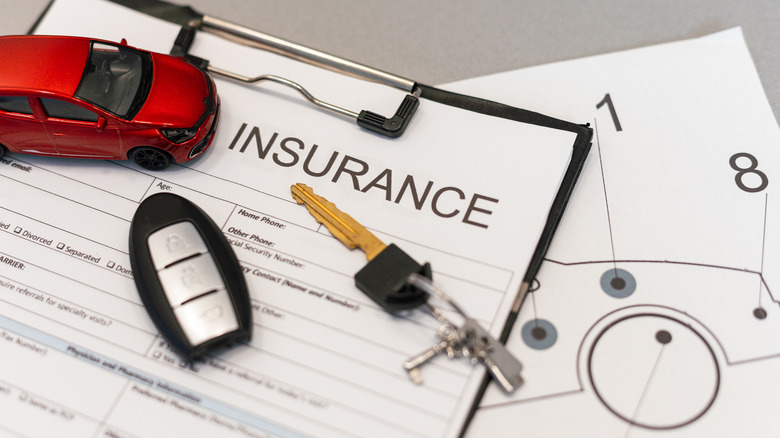
Car payments are pricey, but they're just one of many factors when it comes to overall affordability. As much as car prices have gone up, the cost of insurance has outpaced it, jumping 37.5% since 2021. The rising cost of car insurance has been a significant factor in overall inflation. Some drivers are even cutting or dropping car insurance because it's too expensive, although dropping insurance entirely is illegal in every state except New Hampshire. And reducing your coverage carries risks if you end up needing the coverage you dropped. If you have a loan on your car, you're usually required to carry comprehensive and collision coverage anyway.
Because everything is getting more expensive, maintenance costs more, too — an average of 12% for maintenance, according to LendingTree. One advantage of a newer car is that it needs little maintenance and few repairs, especially while it still has a warranty. However, those costs will begin to increase as a car ages and needs more upkeep. It's much easier to absorb these costs after the loan is paid off, but on a seven- or eight-year loan, you'll start paying more to keep your car working properly while that loan payment is still hanging over your head. There's also the fear of the car needing a major repair that will cost more than it's worth.
Finally, there's the price of gas. LendingTree's survey took place in April 2026, after our ill-advised war in Iran started, but before average prices went from around $4 a gallon to a record high of $4.56 today. At the time, 15% of survey respondents said that the price of gas was the hardest part of car ownership to afford, the same number who said insurance was their most difficult expense. I imagine that today's higher gas prices, even just a month later, would skew the answers more strongly toward gas being the hardest expense. These prices won't be going down anytime soon, either.
The costs add up

After adding it all up, the average American who holds an auto loan is spending 15% of their income on car-related expenses. The U.S. Department of Transportation considers spending 15% or more on car expenses to be "transportation cost burdened." Since this is apparently now normal, it's little wonder that more than a third of people consider owning a car to be a luxury they can't afford.
It's hit us here at Jalopnik, too. As of our most recent fleet update, some of our staff didn't even own a car. Those who have them have made fun but frugal choices, such as Logan Carter's Mini Cooper S or Collin Woodard's Fiat 500e. Daniel Golson's Mercedes-Benz CLS500 is a sweet ride, but it's also 20 years old, making it far more affordable than a new one. Amber DaSilva gets by with a motorcycle. Some live in locations where having a fleet of rustbuckets in the yard is impossible, but cost often comes up in our Slack chats as a reason why we don't have larger fleets or project cars like we used to.
Personally, I still have my camper van, mainly because my wife has insisted that we can't get rid of it so we can travel again someday. It's not exactly a daily driver, so I mainly get around on my motorcycle or in my wife's Toyota 4Runner. I married into the 4Runner, as well as the Dodge Ram farm truck with a Takata airbag, so I don't really count them as my own. I'd love to pick up a tinker car, like a beater Subaru for the dirt roads we live on, but it's simply not in the budget right now. I suppose that from a certain point of view, this means it's a luxury I can't afford.