

The Mazda CX-30's Sales Decline Had Nothing To Do With Its Popularity
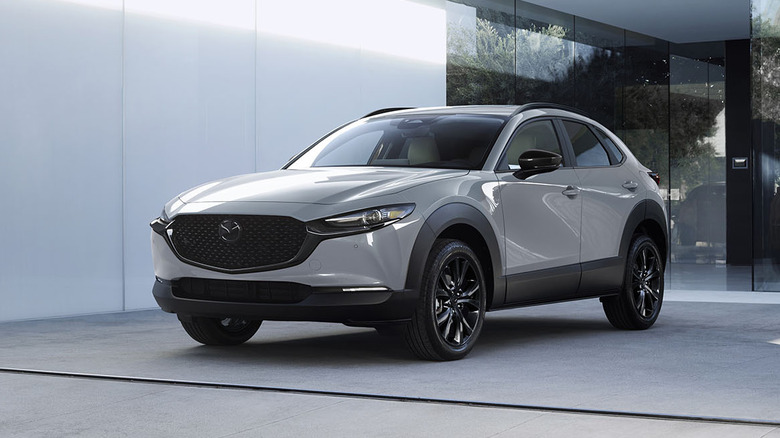
We're fans of the Mazda CX-30, and not just for its eye-catching turn signals. However, U.S. sales plummeted last year, from 96,515 in 2024 (its best year ever) to just 56,684. The CX-30 received a few updates for the 2025 model year, but it wasn't an unpopular redesign that cratered sales, unlike some other cars. It seems to have been a deliberate choice by Mazda influenced by, you guessed it, tariffs. In a statement to CarBuzz, Mazda said:
The CX-30 is currently built in Mexico, and with ongoing uncertainty around U.S.–Mexico tariff agreements, we made a strategic decision to scale back production of this model.
Donald Trump has been pushing tariffs on Mexican-made cars for a while, at one point even proposing a ridiculous 2,000% tariff. It's no wonder that Mazda saw this coming from the moment Trump got his second term in office, and made plans to scale back production despite the CX-30's popularity. No matter how popular the car was, Mazda wouldn't be able to sell any if tariffs launched prices through the stratosphere.
The 25% tariff that went into effect last March isn't nearly as bad as Trump previously threatened, but it's still quite significant. It's no surprise that CX-30 sales began falling significantly after a strong March, with 8,666 CX-30s sold through the first quarter of the year. April saw only 6,261 sales, with 4,329 in May, and numbers continued to drop ever since. Only 2,749 CX-30s were sold in December 2025, the lowest monthly total since it first went on sale in early 2020.
Act now while supplies last
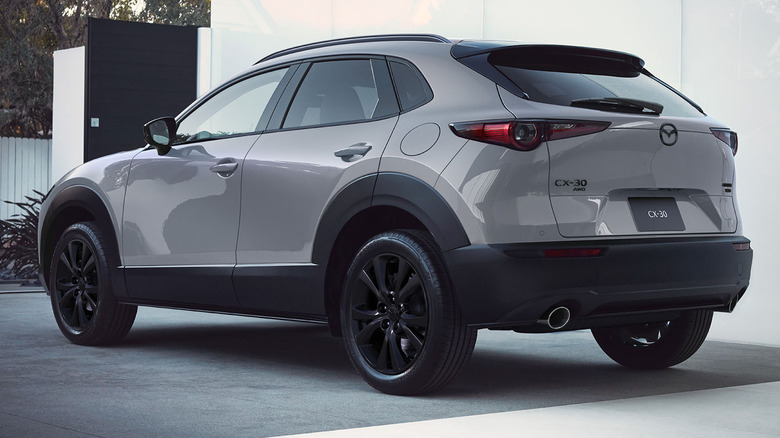
By October, tariffs had already cost automakers $10 billion. Like many manufacturers, Mazda has absorbed much of the added cost to keep prices down. Before tariffs, the 2024 CX-30 cost $26,415 including destination, while the tariffed 2025 model cost $26,690. That's an increase of only $125, less than many ordinary year-to-year price increases. The 2026 CX-30 currently lists for $27,470 including destination, so while Mazda is still swallowing much of the tariff, it's showing signs that it's not going eat it forever.
Meanwhile, the American-made CX-50 has seen sales increase at the same time CX-30 sales dropped. Monthly CX-50 sales exceeded 10,000 for the first time last July, so Mazda doesn't seem to be losing overall sales between the two models. The CX-50 has only a slightly higher starting price of $31,395, including destination, so it's not much of a stretch for potential CX-30 customers to step up to the larger, more easily available model. Considering that it's about as good as midsized CUVs get, they will likely be happy with the upgrade.
Still, if you prefer a sporty compact crossover, the CX-30 still offers a lot of bang for your buck, at least for now. Its low production numbers will likely continue, since President Trump still doesn't care about Mexican and Canadian imports. Affordable imports with low profit margins don't work well with tariffs, so you may want to consider picking one up while you still can. Ask the Dodge Hornet why.