

Flock Won't Take No For An Answer, Keeps Cameras In Service After Communities Cancel Contracts

Cities across the country have been dropping their Flock camera contracts left and right as people object to the surveillance state they enable. Canceling these contracts isn't always a straightforward process, however. The Verge reports that Flock is not only delaying the removal of their equipment from communities that have requested it, but also reactivating it when officials take matters into their own hands.
One of these cities is Plymouth, Minnesota, where Joel Feder of The Drive was wrongfully accused of driving a stolen car based on a bad Flock hit. The city council voted to cancel its contract with Flock on September 22, and officially notified Flock the following day. From The Drive:
[Plymouth Police Chief Eric] Fadden said, "We did not hear any reply from Flock Safety Corporate or Legal, other than some communication with our local representative."
Flock's silence and refusal to comply with the canceled contract forced the Police Chief to take matters into his own hands. "After hearing nothing for more than a week, I directed our staff to disconnect the power cords from the cameras in order to be sure that they are not functioning or recording plates," Fadden said.
It's rather ironic that the chief of police ended up instructing his officers to do exactly the same thing some vandals have done to disable the cameras. With Flock not responding to multiple attempts to cancel the service, this appeared to be the only way to be sure the cameras were off, as the city council's vote required.
I get knocked down, but I get up again
Other cities have taken this process a step further, removing the cameras and storing them until Flock wants them back. From KARE 11:
"Once we made this decision, I personally went to the locations and removed the cameras and poles myself," Crystal police chief Pete Underthun told KARE 11 in a statement. "We are still working with the company to close out our contract and for them to pick the cameras up from our garage."
I guess what would otherwise qualify as vandalism is fine if the police do it themselves. Dayton, Minnesota, also physically removed its cameras, but even that didn't shut down the service. As the city explained in a Facebook post:
On September 17, 2026, the Police Department was made aware of a maintenance work order produced by Flock. The City notified Flock on September 18, 2026, that the program was on hold, and no work orders were to be completed. Unfortunately, the City's direction was not followed, and the camera was placed back into service without authorization.
Following the report, City staff reviewed locations throughout the community to determine whether any additional cameras had been reinstalled, and one additional location was identified. The Police Department has been notified, and both cameras will be removed promptly.
Like so many things these days, Flock is a subscription service. Communities pay for the service, but Flock owns all the hardware and is responsible for installing and maintaining it, as well as removing it when requested. Technically, by the book, the police shouldn't be disabling or removing cameras, either. But we're not going to complain when they do, especially when Flock seems to be dragging its feet on the matter.
No exit strategy
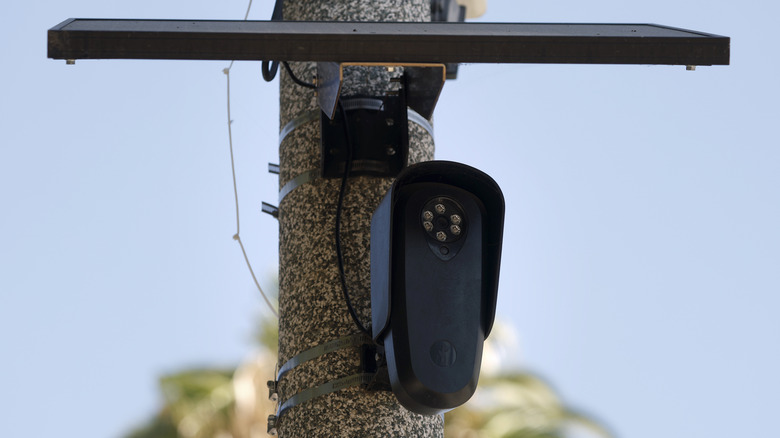
Other communities have resorted to covering cameras with trash bags while waiting for Flock to do its part. Even this strategy hasn't always been effective, though. The Verge also reports that Elgin Community College found the bags over its Flock cameras removed, presumably by Flock contractors sent out to "fix" the cameras they had covered while trying to cancel the service. This happened several times between December 2025 and April 2026. Only when the original contract expired did Flock arrange to remove the unwanted cameras.
Flock's only comment on this matter to KARE 11 was: "We are proud of the impact our technology had in Plymouth and Dayton. We respect the cities' decisions and are working with the customers to have the cameras removed." It gave no status of the cancellation requests or timeline for camera removal. Zach Doud, Dayton city administrator, told KARE 11 that Flock told him it would take 60 days to remove the equipment. It's hard to tell whether Flock is deliberately dragging this out, or simply overwhelmed by the large number of cancelation requests it's getting.
Either way, I wonder if whoever wrote Flock's cancellation policy was listening to "Hotel California" by the Eagles at the time. It seems like you can check out any time you like, but you can never leave.