

Flock Cameras Are Being Covered With Garbage Bags As Contracts With The Wildly Unpopular Mass Surveillance Company Are Terminated
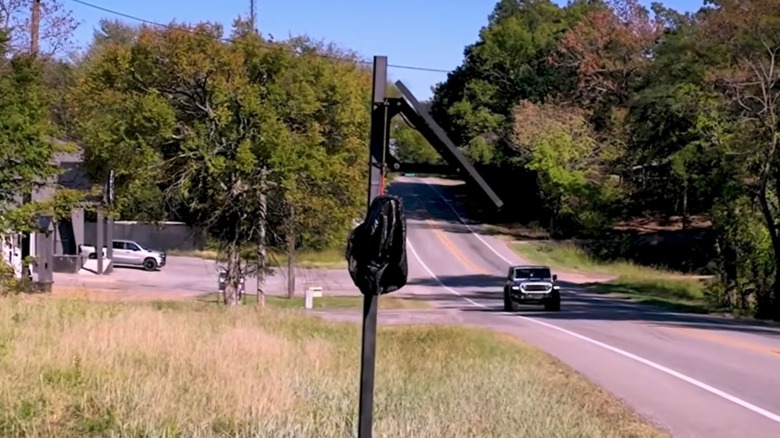
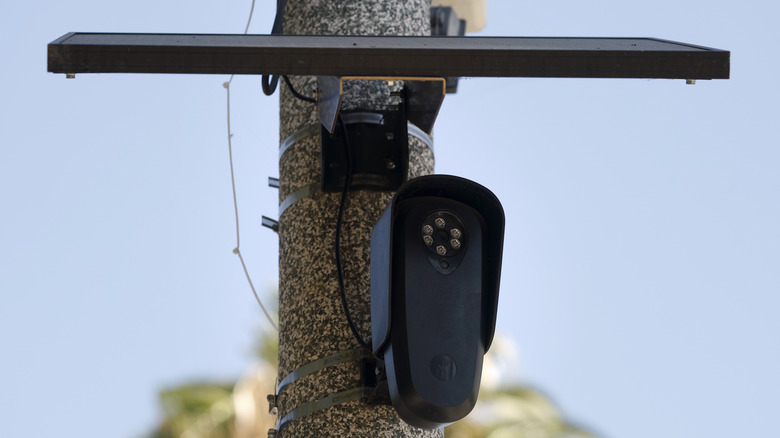
As the number of cities that have dropped Flock camera contracts has been rising steeply, some of those cities have been unsure how to stop the surveillance that come standard with the now-installed camera hardware. More and more places have resorted to putting trash bags over the cameras, reports WREG News Channel 3, as a temporary measure to prevent cameras from tracking your every move until they can be removed properly. It's almost like the trash is taking itself out.
While some concerned citizens have resorted to vandalism to remove the unwanted cameras, the correct way to make them go away is to work through the proper channels, attend town meetings, and get the communities you live in to decide to take them down themselves. They're much more likely to stay down that way. After all, police continue to misuse this "Big Brother" technology, either by accident or completely on purpose, and Flock customers have been dropping like flies with all the reports of errors and abuses continuing to pop up in the media.
City governments can't just rip down Flock cameras on their own. They signed contracts with Flock Safety to get them in the first place, and often it's Flock that's responsible for installing, maintaining, and removing them. Unlike vandals, cities and towns have to abide by the terms of those contracts, and the law. But there's no law, or clause in the contract, that says they can't cover up the cameras, rendering them useless for surveilling the public until they can arrange for proper removal.
It's the only way to be sure
As they wait to remove the cameras permanently, more municipalities have resorted to the simple and oddly poetic solution of covering them with trash bags. Dayton, Ohio, first did this in May. Others have followed, such as Harrisburg, Arkansas, earlier in October after residents complained loudly that they didn't want them. Mayor Justin Kimble told WREG New Channel 3:
It's hard for me, because I come from law enforcement, and it's hard for me to say, man, I don't want to take this tool away from [law enforcement]. But if you have the majority of your community, me and my city council really need to listen to what the people want.
It's a rare, good politician who can set aside his personal feelings and put the desires of the community above his own.
Canceling a community's Flock service isn't as simple as canceling the streaming service that just got rid of all your favorite shows, though. Cities may contract with Flock for a specific period of time, and need to follow proper procedures to either cancel the contract or fulfill payment obligations while not using the service. The local governments don't want to knowingly breach the contracts, which would cost taxpayers more than just keeping the service in the first place.
It's also not as simple as public works departments shutting the cameras off themselves. Some have tried, only for Flock to turn them back on again, which is exactly what happened in Littleton, Massachusetts, reports the Lowell Sun. If they keep Flock out of the loop, they perceive the non-functional cameras as a problem, then "fix" them under the service contract, defeating the purpose of shutting them down until they can be permanently removed.
Until then, it seems like the only way to be sure these cameras aren't being used is to cover them up. If your city decides to end their contract with Flock, they can buy 3D-printed covers for the cameras, or just grab some trash bags that are already have kicking around to do the job. That way, the Flock camera is already bagged up conveniently for proper disposal later.