

Why 17th-Century Parisian Streetlights Were The OG Flock Cameras
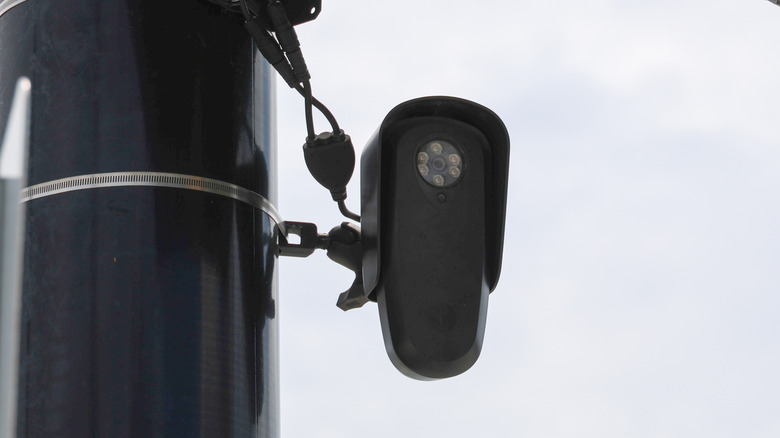
For the past couple years, Flock Safety and its vast network of spy cameras have been all over the news, and for numerous reasons. Whether you've heard about them because of the staggering number of Flock cameras dotting US highways, because of the CEO calling Flock detractors terrorists, or the massive number of cops that keep getting arrested for illegally using automatic license plate readers (ALPRS) to stalk people, one thing's for sure: You've definitely seen news about this state-sponsored private surveillance network (and its similarly dubiously-intentioned competitors, like Axon) for one reason or another. But you might be surprised to learn that you can trace a line back through history from modern surveillance tech like ALPRs back to the some of the first streetlights, which appeared in Paris in the late 1600s.
Like ALPRs, these public lights weren't well-loved by the public, especially by revolutionaries and the lower classes, who were particularly affected by the policing the lights enabled. The similarities don't end there, though. Just like people today love vandalizing Flock cameras and other ALPRs, the Parisians of the 17th and 18th centuries loved smashing the lanterns lighting up the city streets. Like today, such vandalism carried significant legal ramifications, but people still saw fit to express their discontent by destroying the lights, a behavior that only became more popular with the beginning of the French Revolution.
It seems like the French have always been creative and prolific protesters, and the ongoing 2026 French student protests we're seeing today are just a continuation of that legacy. So maybe it should come as no surprise that the French showed us how to push back against state and private surveillance alike more than 300 years ago.
How were streetlights used as surveillance?
Today, streetlights are abundant, and they've become a completely normalized part of society. You'll find them all over in urban areas, and they line many sections of highway, as well. They're so prevalent that you might only notice their omnipresent status when one goes out in the city, or on a section of road that's suddenly surprisingly dark. With them being such a mainstay of our everyday lives, it may seem difficult to imagine streetlights as surveillance technology, but that is exactly what they were used for when they first started cropping up in European cities a few hundred years ago.
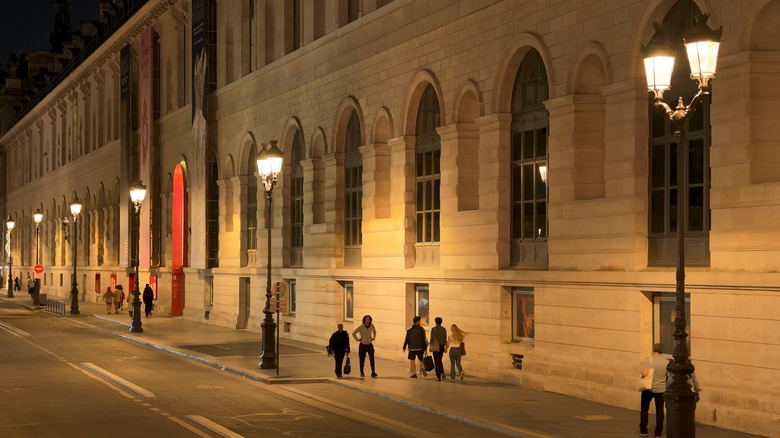
The first street lights in Paris were installed during the reign of King Louis XIV while the night life of aristocrats was booming, but murder rates in the city meant partying all night wasn't safe for the wealthy. The King appointed a head of police who turned to public lighting to solve the issue, which kept aristocrats safe while also enabling increased scrutiny on poor people and vagrants.
While the lamps were initially intended to curtail murder rates, the ruling class quickly realized it could use them to police activities of all types, and not just crimes. The technology enabled the French government to crackdown on vagrancy, petty crime, and even political dissidence on a level never seen before.
If that sounds familiar, it's because ALPRs are enabling similar — but even more wide-reaching — policing behaviors today. Except ALPR technology isn't that accurate and its warrantless police surveillance has led to several false arrests and accusations. For a comprehensive look at the trajectory from public lighting to ALPRs making detailed profiles of your car's movements across the country, check out this detailed and thoroughly-sourced video from one of my favorite YouTubers, Design Theory.