

GM Is Bringing Back Apple CarPlay And Android Auto After Saying It Wouldn't
Back in 2023, General Motors announced that it would phase out Apple CarPlay and Android Auto from its EVs in favor of its own software. Late last year, CEO Mary Barra said that the technologies would be dropped from all GM vehicles, not just electric ones, but now it sounds like the company has changed course.
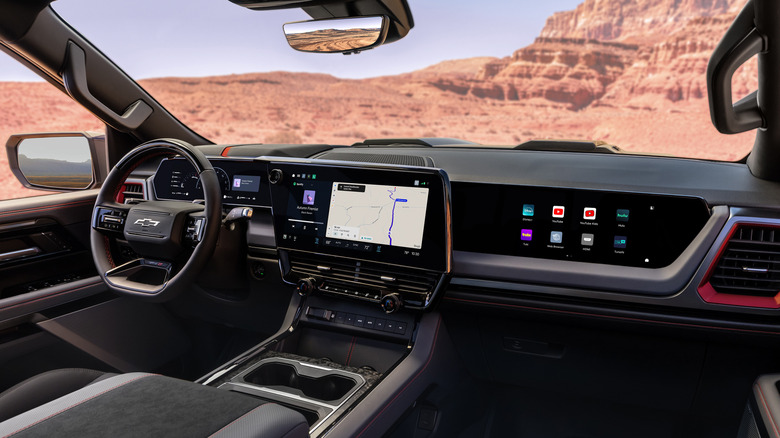
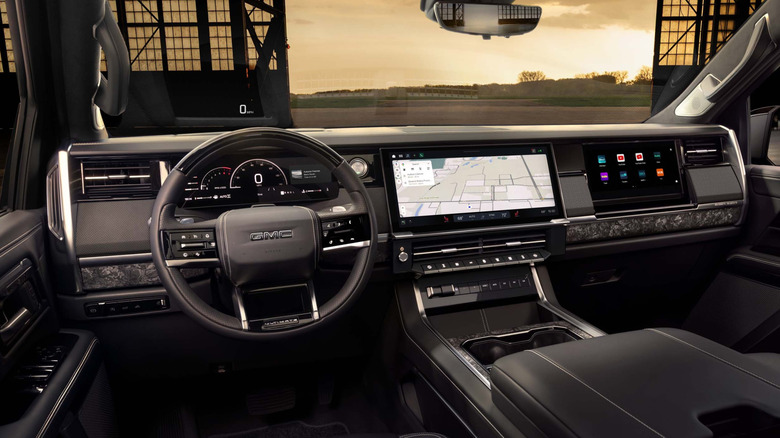
In a Tuesday blog post, GM released a bunch of details on the shiny, new infotainment system that'll debut in the 2027 Chevy Silverado and 2027 GMC Sierra pickup trucks. In addition to a clean interface built around customer feedback, high-contrast display hardware, a reworked home screen, and a new 3D interpretation of surrounding traffic when using Super Cruise, the new system also integrates Apple CarPlay and Android Auto.
 General Motors
And rest assured, it doesn't sound like this is some two-off exception GM has made for pickup customers who can't deal with change or whatever. The post explicitly says this system will "[expand] across the broader portfolio," but is merely coming to the company's highest-volume vehicles first.
This reversal feels almost inevitable when you consider actual buyer opinion. According to an American Trucks study, 55% of Apple CarPlay users said its absence is a dealbreaker when buying a new car, and that figure is 36% among Android Auto people. Isolating for GM owners regardless of phone type, 42% said losing CarPlay or Android Auto is a no-go. For context, GM's previous removal of the technologies even spurred the creation of aftermarket kits that give it back.
Seamless integration
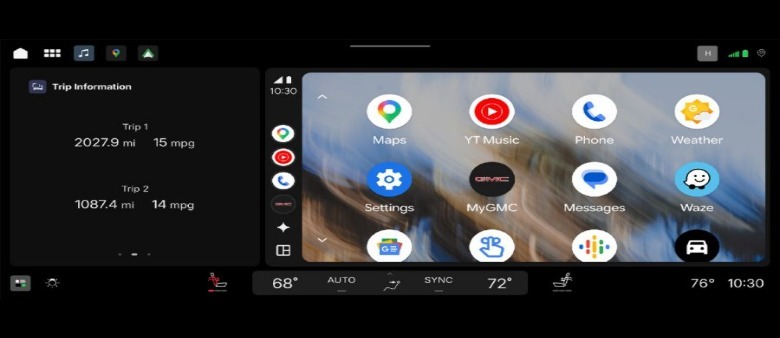
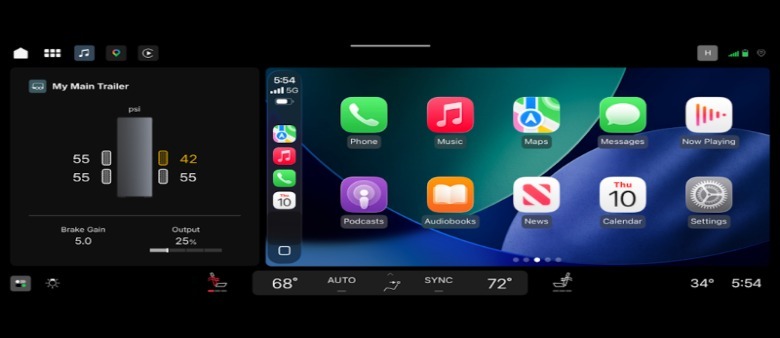
The specific Apple and Android implementation won't let you fully escape from GM's native system, though. Because unlike some competing brands that let Apple and Android effectively fill their touchscreens, your phone will be mirrored in a smaller card within the screen, always leaving room for vehicle-specific displays like trip info and trailer status, plus the persistent climate bar at the bottom.
"People really like CarPlay and Android Auto because they're so user-centric," said GM software boss Mike Wahlstrom. "We heard from customers that they want that same simplicity while still having quick access to everything their vehicle can do... We want customers to feel like they're interacting with a single experience rather than moving from room to room inside a house."
 General Motors
Naturally, access to built-in Google apps remains outside of the phone-mirroring technologies, which means you can still run Google Maps without connecting your phone at all or install, say, Disney+ and watch it on the passenger screen. You might not ever do that, but you could.
The system is capable of over-the-air updates, meaning GM can keep software secure and current without you going into a dealer. The less charitable read, however, is that it lets GM feasibly remove Apple CarPlay and Android Auto remotely if it decides to flip-flop again 18 months from now. Not saying that that's going to happen, but weirder, worse things definitely have happened before.
That said, we're glad that GM has finally wisened up to something we all essentially knew from the jump: the people want CarPlay, just give them CarPlay.