

Let's Debunk These 6 Common Van Life Myths Right Now
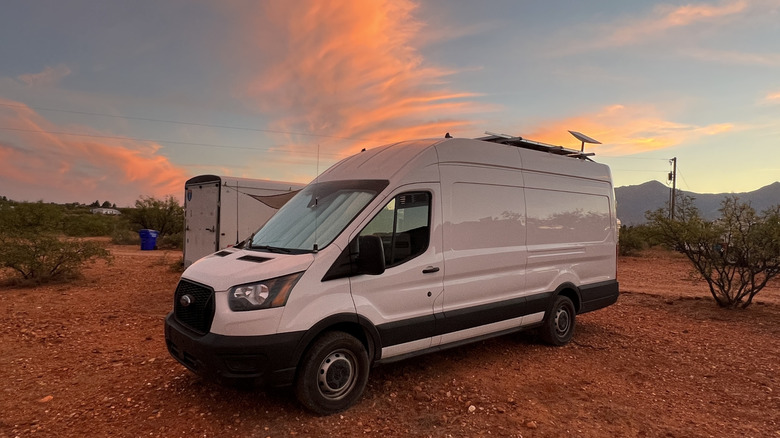
Van life is often represented by flashy photos like this, with the shiny new van, the beautiful sunset, and all that fun stuff. Photo ops like this do exist — I took this photo, and this is my camper van — but they only show one small portion of life on the road. There's a lot more to it, and some of it isn't exactly pretty. For example, what happens if you're spending the night in a Walmart parking lot and have to go to the bathroom at 2:00 am, because Walmarts aren't open 24/7 anymore?
There are quite a few other myths about us van lifers, too, like we're all dirty hippies that never shower. Some say that van life costs an arm and a leg, while others think you have to give up everything you own and live without the creature comforts of home. Some choose to live each of these ways, but neither is a requirement. There is no one right way to live, and that includes life on the road.
I lived on the road full-time in Smokey Da Van for three years. I've experienced what it's really like out there. Some of the myths have roots in facts, while others simply aren't true at all. Let's take a look at 6 of them and find out the story behind the story.
Every day is a glamorous Instagram photo
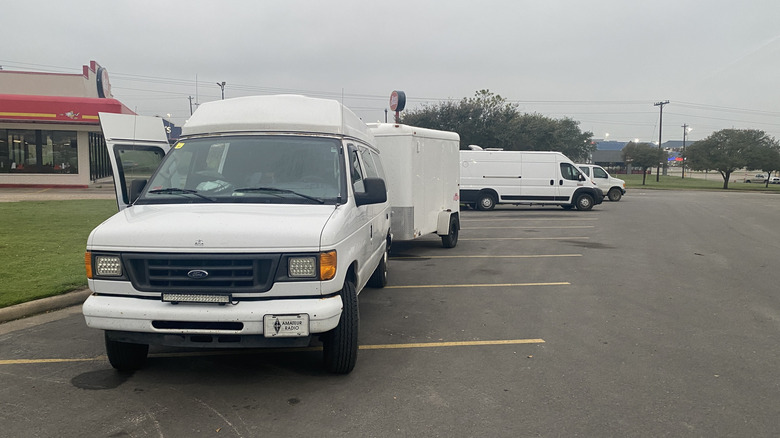
Your first window into van life is probably an Instagram post of a beautiful location. A van, parked on the beach, in the mountains, or in the desert, with scenery so stunning it's hard to believe it's real. These locations absolutely exist, and having them as your temporary front yard is one of the best parts about van life. They're also not the only place you'll find yourself parking.
Living in the van, I often found myself spending the night in a parking lot, what I call "Chateau Walmart." While Walmart is the most common place to stop (as long as that specific store allows overnight parking), I've also spent nights parked outside Bass Pro Shop, Cabela's, and Cracker Barrel. Some Home Depot and Lowe's locations may allow overnight parking, though you may not want a Flock camera scanning your license plate while you're there — so park carefully. Other times, it's a simple highway rest area. Some of them are scenic, but you never escape the noise of traffic flying past, or the idling diesel engines of truckers. Truck stops are another option, but the noise is even worse, and they're far from scenic.
For me, places like these are a means to an end. I usually stay just one night while I'm on my way from one place to another, or taking a road trip somewhere like along Route 66. The southwest desert can be scenic, particularly at sunrise and sunset, but I prefer trees. I spent winters at Bureau of Land Management (BLM) Long Term Visitor Areas to avoid real winters with actual cold and snow. The photo opportunities do happen, but not every day.
Van life is dangerous
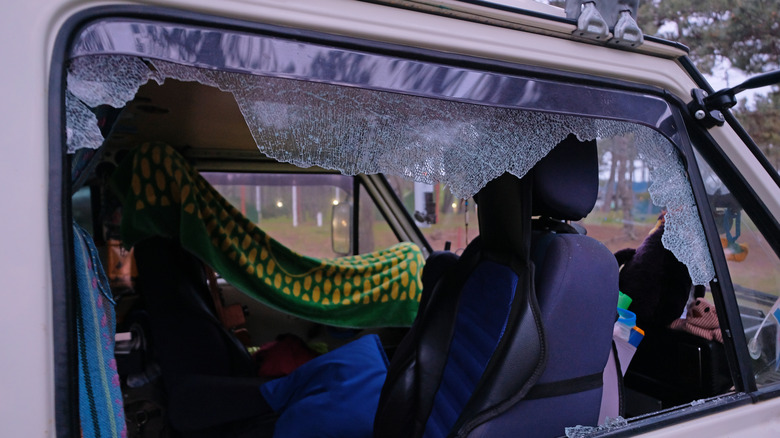
Some people believe that the world is an inherently dangerous place, even more so if you live in a van. Anytime you go to sleep, evildoers are lurking nearby, ready to break into your van, take your stuff, or do unspeakable things. If you're out in the wilderness, bears, coyotes, or stampeding rhinoceroses are just itching to take you out the first chance they get.
However, I never felt personally threatened during my time on the road. I have met people who seemed a bit sketchy, like the random guy in a parking lot who asked to borrow a bottle of propane for his stove until he got paid, but nobody particularly dangerous. I had the extra propane to spare, so I loaned it out and expected nothing back. Not only did the sketchy guy in question give me two bottles later that night, but he also brought me a homemade dinner, which was never part of the deal. I've met many people who live in their vehicles out of necessity rather than choice. Just because someone is homeless doesn't mean they're dangerous.
Still, hazards do exist, and it's smart to be prepared and remain vigilant. Keep an eye on your surroundings, and don't park anywhere you deem unsafe. Find a spot with good lighting, particularly on quick overnight stops. On quick overnight stops, especially places I'm not already familiar with, I park in such a way that I can quickly slide into the driver's seat and drive away if something happens outside that I want no part of. I've only actually had to do that once.
Van lifers are dirty and gross
The stereotype of the "dirty van lifer" is a prevalent one. After all, a converted cargo van is a far cry from a fancy, high-dollar RV, so the former doesn't typically have bathrooms or showers on board. Or does it? I'll spare you the nasty details, but most van lifers aren't as dirty as the stereotypes make us out to be.
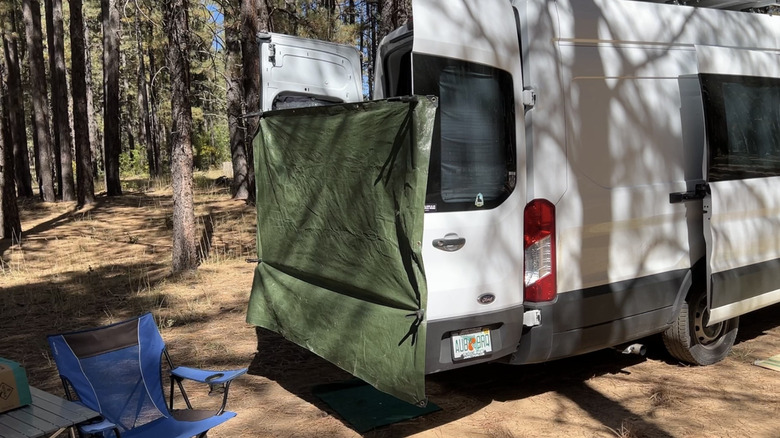
It's true that we may not shower every day while on the road, but that doesn't mean we don't keep ourselves clean. Sponge baths or wet wipes keep the grime off us between showers. Dry shampoo helps keep the hair clean. And some of us do find creative ways to make our own showers. I found that I could lock my Ford Transit's back doors open and clamp a tarp between them to give myself a private area for a portable shower. Pop-up tents and USB-powered portable showers are pretty commonplace, too. Another common choice for regular showering is getting a membership to a nationwide gym chain. Even if you don't work out, you can at least go in to take a shower.
Showers are only a part of the equation — there are toilets to deal with, too. It's not all cat holes and hiding behind bushes while living in a van. At minimum, most van lifers have something resembling a toilet. A setup with a five-gallon bucket, a snap-on toilet seat, and garbage bags is cheap and easy to empty/clean. Some vans have more elaborate setups, like an RV-style cassette toilet, or one that composts. Personally, I'd use public bathrooms anytime I could, and save my on-board facilities for emergencies.
Van life is expensive
Sure, if you go with a professionally built van with all the bells and whistles, you can easily be looking at a six-figure price tag. Fortunately, that's not the only way to live life on the road. For starters, you don't need to buy a new van. Who can afford to buy anything new these days? A quick search on Facebook Marketplace will populate with quite a few older vans, mainly Ford E-250 and E-350 models, for under $3,000. Those are the most common, but if GM or Mopar are more your speed, there are options for them, too. Minivans are cool and get better gas mileage if you can live in a smaller space.
I've seen many beautiful professional builds. They're quite nice, and certainly a comfortable way to live on the road, but you don't need to do that. A "no-build van build" involves throwing a few essentials in there, like a bed, cooler or refrigerator, drawers or bins for storage, and a power station, and hitting the road. This approach lets you give van life a try without a huge commitment of time or money. Most importantly, it lets you hit the road sooner rather than later. You can improve your setup as you go, and address problems or add items you're missing along the way.
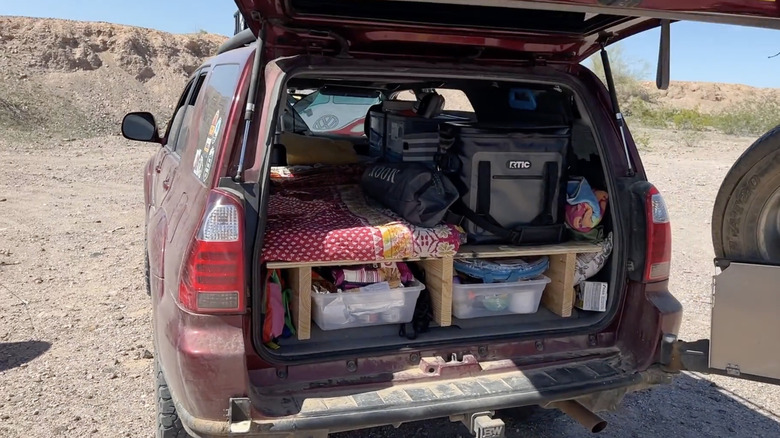
You don't even necessarily need to buy a van. Sometimes you can use the vehicle you already own. Before I met her, my wife outfitted her Toyota 4Runner with the basics, then hit the road full-time. (You can see her full setup in this video.) It wasn't much, but it had everything she needed, which let her embark on the trip of a lifetime. As a bonus, she met me along the way, and the rest is history.
You have to be a minimalist
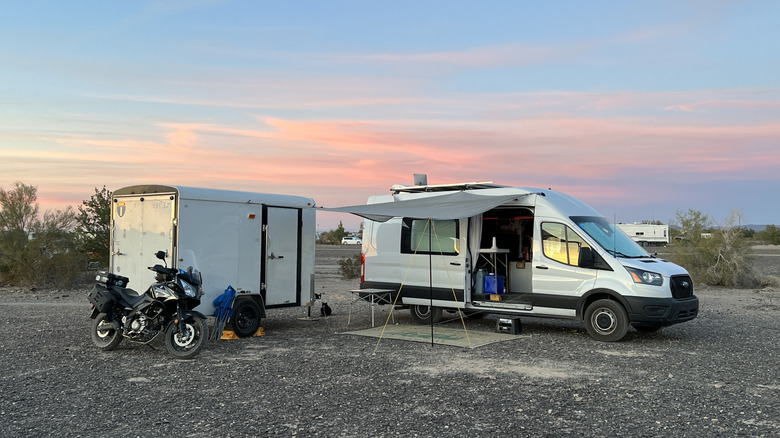
If you're giving up your "sticks and bricks" home in favor of a home on wheels, you'll need to do a lot of downsizing. That doesn't mean you have to be a true minimalist, however. I'm not. From day one, I knew I had to bring my motorcycle with me. While it's convenient to leave the "house" parked and run errands with the "daily driver," I also just love to ride, and van life took me to some of the best places in the country for that. I was also writing for ADVRider at the time, so I actually needed my bike not just to explore places to write about, but for product reviews as well. I eventually picked up an enclosed cargo trailer, mainly for my bike, but also to offload cargo from my living space so I didn't have to stash an inflatable kayak under the bed, for example.
As a professional writer/editor, I'm quite fortunate that I can do my work from anywhere with an internet connection. Getting online was a priority for me, which led to two cellular hotspots on different carriers, plus a specialized router that could get online through whichever hotspot had a connection, or a nearby WiFi network. Later I added Starlink, which worked pretty much everywhere except forests without a clear view of the sky. I even took my cat with me. Living with the bare minimum is certainly an approach to living on the road, but it's not necessary.
You have to fully commit to van life
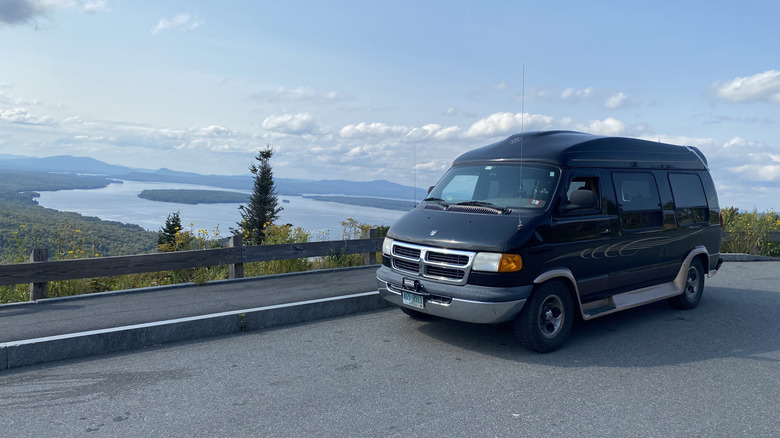
Many people simply aren't willing to sell everything they own, buy a van, and commit to living on the road full time. Fortunately, that's not the only way to do it. This Dodge conversion van was my "starter home," a no-build build for short, local trips. I went away for quite a few weekends, and later a full week, just dipping my toes in the van life waters to see how I liked it. I discovered I loved it, and then had the confidence to outfit a bigger van for full-time living and ditch that monthly rent check. Start small, with local camping trips, rented van-life setups, or group trips, and build confidence along the way. Also, know that switching to van life isn't a permanent decision.
After three years on the road full-time, I met my wife and came off the road to be with her. Two years later, we're building ourselves a tiny house in the Ozarks. We took her travel setup out of her 4Runner and use it as a regular SUV again, but she has insisted that we keep the camper van for future adventures on a part-time basis. We're even hoping to return to the southwest desert late this year to avoid a real winter. Life changes, sometimes in ways you never expect. There's nothing wrong with leaving the road behind if a better offer comes along.