

Age And Mileage Don't Tell The Whole Story When Shopping For A Used Car

Used car shopping has basically become a game of filters. Set the budget, sort by lowest mileage, maybe shave a few years off the age range if you're feeling ambitious, and start scrolling through an endless parade of crossovers with 47,000 miles and suspiciously shiny tires. Buyers have been trained to think the newest car with the smallest odometer number is automatically the safest bet, because those are the easiest details to compare from a search results page.
What we're saying is that you're probably researching your next car purchase all wrong. Mileage and age only tell you part of the story, and sometimes not even the important part. A car that spent 6 years cruising up and down the interstate can wind up in far better shape than one that spent half as much time grinding through short trips, potholes, parking garages, and endless cold starts. Likewise, an older car with obsessive maintenance records can easily outlive a newer one that barely got oil changes before being dumped at auction.
That's why there's no magic number for the "right" used car. The sweet spot depends less on age or mileage alone and more on how the car was driven, maintained, stored, and treated by the people who owned it before you.
Everyone shops for used cars the same way

Let's just get this out of the way. When we say "everyone," we probably don't mean you. Save your weary commenting fingers for later in the article, because we know plenty of you are seasoned car shoppers who can confidently differentiate between a failing water pump and a belt squeak with just a steely gaze into the eyes of a seller you met on Facebook Marketplace. Or, maybe you simply paid attention to the best car-buying advice from Jalopnik's own resident expert.
Most people, though — let's call them normie car buyers — gravitate toward the newest, lowest-mileage cars because those metrics are easy to compare and refreshingly objective. A number is a number, and it is tempting to take it at face value because that is a lot easier than trying to decide whether an idle sounds a little rough or if a puff of exhaust smoke is actually something to worry about. The other good reason to shop this way, of course, is that age and mileage are easy to evaluate online. Like your latest Tinder match, you can pull some basic data from the comfort of your phone before driving across town to discover whether the seller's description was wildly optimistic.
The sweet spot is a thing, but not the only thing

It feels a little like the kind of term you'd hear from an exhausting uncle helping you find the best car deal, despite not having bought a car since the last millennium. However, the sweet spot is real, and we do not just mean it in a "the Bentley Continental GT S is the $300,000 sweet spot" sense either. That used-car sweet spot where cost, reliability, and depreciation all supposedly line up in your favor, has often been pegged at around 4 years old.
The problem is when people (again, not you, itchy-fingered commenter) treat depreciation curves like they are laws of nature instead of broad market trends. A carefully maintained older car can still be a far better buy than a newer one that was neglected, abused, or passed around between owners who treated oil changes as optional. Kelley Blue Book's own guidance around depreciation focuses on minimizing value loss over time, but depreciation only tells you what happened to the price of a car, not what happened to the car itself. So, as with everything involving used cars, things can get messy fast. Let's continue.
Mileage is a story
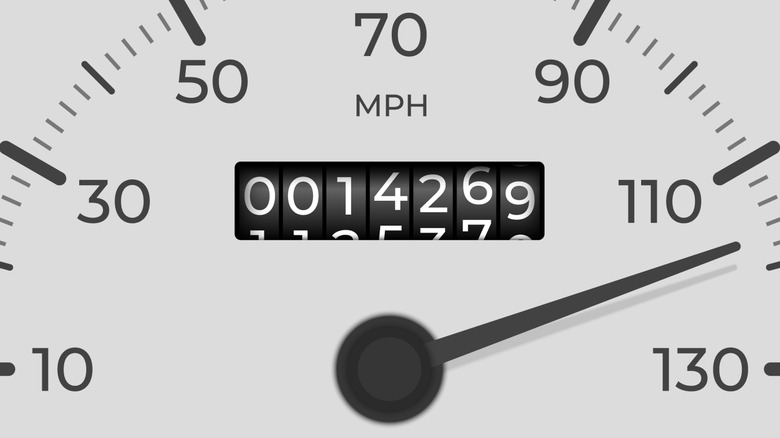
Mileage matters, obviously. But it's the type of mileage that may make you look deeper than an odometer reading to get to the real story. A vehicle with 50,000 highway miles is very different from one with 50,000 miles made up of potholes, stop-and-go traffic, and endless braking that turns every commute into a low-speed endurance race.
Odometers are good at measuring distance, but they are terrible at explaining what kind of life a car has actually lived. That is also why there is no universal answer to how many miles are too many for a used car, because the same mileage can mean wildly different things depending on how a vehicle was used. That is part of why high-mileage cars are not always the terrifying money pits people assume they are. A car that spent most of its life on the highway may have experienced very different wear than one that spent years crawling through dense city traffic, even if the odometer readings are identical. Mileage alone can tell you how far a car traveled, but not the conditions it traveled under.
Maintenance history is a cheat code

There is an old saying that you're not just buying the car, you're buying the previous owner. And honestly, that may be one of the most useful mindsets you can bring into used-car shopping. The ideal seller is the kind of person who hands you a thick folder full of receipts before you even ask. Oil changes, brake jobs, tire rotations, fluid flushes, belt replacements, batteries, and larger repair invoices all help paint a much clearer picture of how the car was treated over time.
Those records also tell you something about the owner. Somebody who carefully documented years of maintenance was probably also paying attention to the smaller squeaks, leaks, vibrations, or warning lights that less attentive drivers tend to ignore until they become catastrophically expensive. Good maintenance paperwork is not just evidence that work was done. It is evidence that somebody was paying attention in the first place.
Of course, not every seller keeps a perfectly organized binder full of receipts sitting in the trunk. That is where vehicle-history services like Carfax come in. A Carfax report can help piece together accident history, title issues, ownership changes, and at least some documented service visits, which are all things that can dramatically change how interested you are in a car or how much you are willing to pay for it. The seller who "forgot" to mention a previous accident suddenly becomes a lot easier to negotiate with once the paperwork enters the chat. And remember, even if you're coming up empty on all of the above, there are ways to find a car's service records when the seller doesn't have them. You just have to know where to look.
Condition tells you what the listing doesn't

Online listings are very good at making mediocre cars look immaculate. A fresh wash, flattering angles, and a suspicious lack of close-up photos can hide a lot when all you are seeing is a carefully curated rectangle on your phone screen. This just means that evaluating condition needs to be a priority once you finally see a used car in person. The details that listings tend to avoid are often the details that tell you the most.
Worn seat bolsters, cracked trim, mismatched tires, cloudy headlights, bubbling paint, curb rash, and rust underneath the car can all help tell the story of how a vehicle was treated long before you ever turn the key. A seller may proudly advertise low mileage, but a trashed interior or obvious neglect can quickly suggest that the car's easy life was maybe not so easy after all. Be leery of a vehicle with telltale signs that the tires need replacing and perhaps equally suspicious of dirt-cheap tires that look like they were installed 5 minutes before the listing photos were taken.
All of this is why a pre-purchase inspection is still one of the smartest moves in used-car shopping, especially now that online listings and auction platforms make it easier than ever to buy a car you have barely seen in person. A mechanic can spot leaks, accident repairs, worn suspension parts, or other hidden problems that buyers can easily miss on their own. It may cost you a couple hundred bucks, but if it helps you avoid an unanticipated money pit, that just may be the best money you spend all year.
Where age still matters
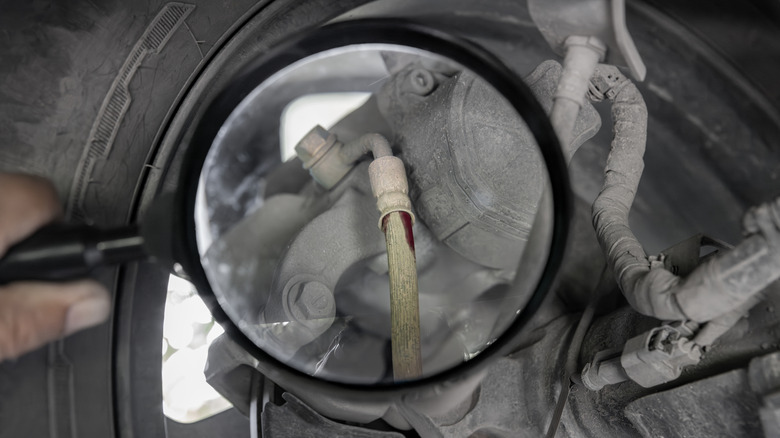
A low-mileage old car can sound like a gift from the used-car gods. It's why a low-mileage Pontiac Grand Prix can still fetch $22,000, even though it was built at the turn of the millennium. But whether it's an inexplicably preserved Grand Prix or grandma's aging church commuter, cars don't stop aging just because the odometer isn't moving much. Time still gets its little claws into rubber, plastic, fluids, batteries, and all the other bits that make a car more than a nice-looking driveway sculpture. Tires are a straightforward example. We've all been trained to look at treadwear, maybe with a little help from the top of Abe Lincoln's head, but rubber compounds break down even if not a single mile is driven, meaning that tires can age out as well as wear out. It may not be a dealbreaker, but it's worth factoring a new set into the equation when you're deciding how much you want to pay for the car.
But tires are only part of it. Seals dry out, hoses crack, fluids deteriorate, and batteries weaken even on cars that barely get driven. A low-mileage older car can still need tune-ups, timing belts, fluid changes, tires, or other age-related maintenance before it becomes something you would confidently trust on a long road trip. It doesn't need to be a dealbreaker, but these are things worth considering as you ponder your offer.
Where mileage still matters
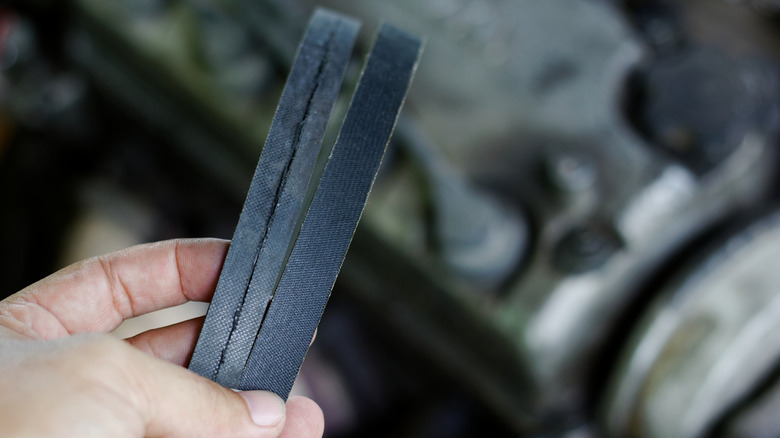
Mileage is not destiny. We even have a shortlist of cars that'll cruise past 200,000 miles. But it's not meaningless either, especially when it comes to some critical and potentially expensive components. Once a car gets deep into six-figure odometer readings, the question is less, "Is this too many miles?" and more, "Which expensive wear items have already been dealt with, and which ones are waiting for me?" A high-mileage car with recent major service can be a very different proposition from one still rolling around on every hose, seal, and part that it had when it left the factory.
This is where you want to start looking for specifics. Transmission service, spark plugs, brakes, shocks, struts, belts, hoses, suspension work, cooling-system repairs, exhaust components, and timing-belt replacements can all become increasingly relevant as mileage climbs. The good news is that a lot of this stuff is manageable if it has already been addressed, or if you are budgeting realistically for what may be coming next. A high-mileage car that recently received major maintenance can sometimes be a smarter buy than a lower-mileage car quietly approaching all of those same expenses at once.
Modern cars are capable of lasting a very long time when maintained properly. But "capable of 200,000 miles" is not the same thing as "immune to repair bills." Mileage still matters because it helps you figure out what parts of the car may be wearing out, what has already been replaced, and whether the asking price (or your counteroffer) leaves enough room for the maintenance reality heading your way.
The hidden costs of chasing numbers

The easiest used cars to want are also the easiest used cars for everyone else to want. Newer, lower-mileage, clean-looking examples tend to float toward the top of the same searches because that is how most people are filtering in the first place. Age, mileage, condition, and market trends all factor into used-car value, which means the car that looks safest on paper is probably not some secret bargain only you discovered after 11 minutes of scrolling. Or, if it is, a dozen other people in your zip code have already reached the same conclusion, and a few have probably slipped well into the DMs of the lucky seller.
This does not mean you should go buy the oldest, roughest thing within 500 miles because you are a brave little contrarian. It just means the obvious good numbers can create their own premium. If everyone is chasing the same newer, lower-mileage examples, widening the search a little can sometimes reveal cars that are less fashionable on paper but stronger in the ways that actually matter: maintenance records, condition, ownership history, and recent major service.
Used-car prices are also shaped by supply, demand, and availability, not just some universal truth about what a car should cost. So, the smarter move is not ignoring mileage or age, but refusing to let those numbers do all the shopping for you. Sometimes, the better value is the car that scares off the filter shoppers but rewards the person willing to read the records, inspect the condition, and understand why it's priced the way it is.
Asking the right questions

The point here is not to stop caring about age and mileage. Please do not walk into a used-car deal, ignore the odometer, and later explain to your mechanic that Jalopnik told you to shop purely on vibes. Age and mileage still matter. They are just the beginning of the conversation, not the end of it.
So, instead of asking only, "Is this too old?" or, "Does this have too many miles?" start asking the questions that explain those numbers. Are there service records, and do they show the previous owner followed the maintenance schedule? Have major wear items already been replaced? Does the vehicle-history report show accidents, title problems, ownership changes, open recalls, or gaps in the service history?
Then, look at the car itself. Does the condition match the story? Are there leaks, weird noises, uneven tire wear, mismatched paint, signs of bodywork, mildew smells, or anything else that suggests the listing left out the fun part?
Finally, ask whether the price leaves room for reality. A good used car is not necessarily the newest one, the lowest-mileage one, or the one that looks best in a search filter. It is the one whose age, mileage, condition, maintenance history, and price all make sense together. Now, get out there and see what cheap cars you can afford with more to go on than just an Autotrader filter.