

What Might Cause A Diesel Engine To Lose Power (And Possible Fixes)
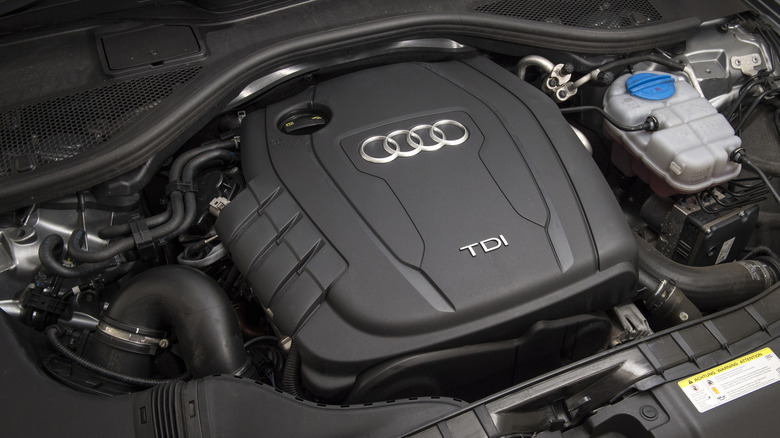
Diesel power has been a staple on most roads around the globe for decades now, with everything from trail-busting Toyotas to frugal autobahn cruisers opting to run on this alternative to gasoline. However, despite a brief revival period in the U.S. — which was largely ruined by a major scandal — diesel has never really taken off over on American soil. Still, there is a dedicated fan base for diesel vehicles, which are favored for their long lifespans, endless low-end grunt, and fuel efficiency. However, when that dependable diesel starts wheezing on the highway or spluttering up hills, the appeal quickly dwindles.
The frustrating part is that power loss in a diesel is rarely down to one single culprit. Perhaps the issue is a clogged fuel filter, a tired turbocharger, or something buried deeper — like a faulty exhaust gas recirculation (EGR) valve, boost leak, or troubled injectors. Modern diesels can be even trickier to figure out thanks to a myriad of complex sensors and emissions systems, which can send inexperienced drivers into a diagnostic rabbit hole. Fortunately, there are obvious places you can start, and many causes of diesel power loss follow a predictable pattern. Catching them early can help when it comes to avoiding catastrophic costs, so these are the warning signs and likely culprits you need to be keeping an eye out for.
A failing turbocharger is a common culprit
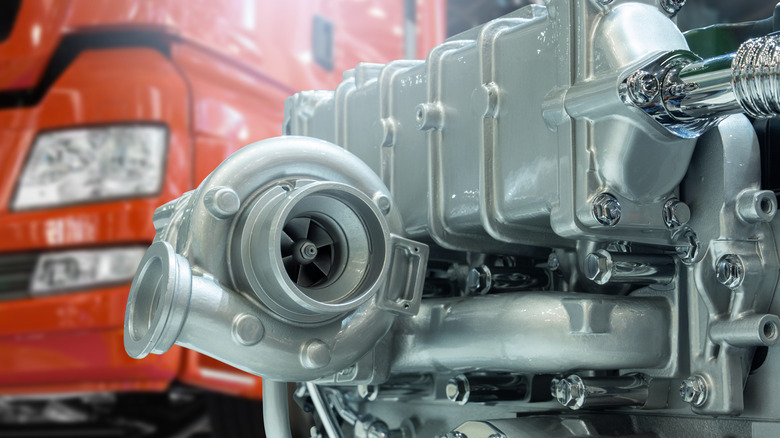
The majority of diesel engines are turbocharged, especially more modern diesel engines produced in the 21st century. Some older units, such as Volkswagen's SDI engines, are naturally aspirated. But these are generally horrendously slow, and such engines are now very uncommon to come across. Turbochargers act to essentially multiply your engine's horsepower by cramming more air through the system. Naturally, then, you can expect a loss of power known as boost leak when these begin to fail. There are numerous ways in which the effectiveness of a turbo can be weakened, but oil contamination and starvation are common headline acts.
If the wrong amount or incorrect grade of oil is used, this can dramatically shorten the turbocharger's lifespan. The same is true if said oil is contaminated, too — whether that contamination be moisture, excessive carbon from within the engine, or anything else. Some of the main symptoms of an unhealthy turbocharger include excessive whistling or siren-like noises, plumes of smoke under acceleration, or an illuminated check-engine light (possibly accompanied by the vehicle being in limp mode).
If the turbocharger's internals are failing, then a replacement or refurbishment is probably necessary. New turbos can cost anywhere between a few hundred and a few thousand dollars. (If the issue is just a split hose, though, then getting it fixed could come in at just under $100.) If the check-engine light is illuminated, then an OBD-II diagnostic machine to read the related trouble code will help pinpoint the exact issue. For example, code P0299 represents an underboosting issue, which suggests a leak somewhere in the system.
Injectors and other fuel-related concerns to watch out for
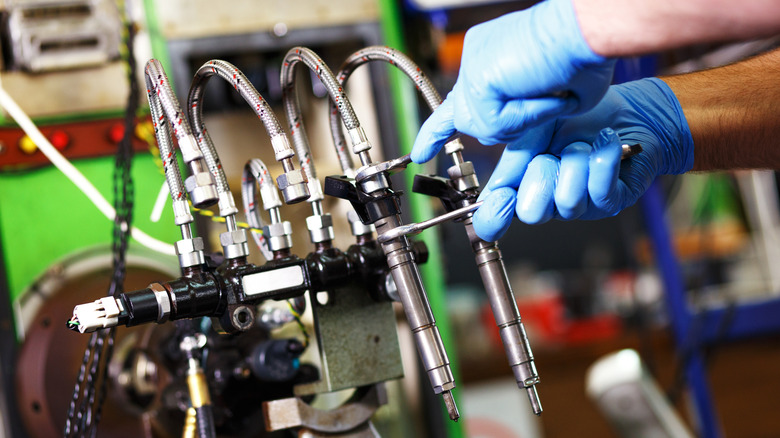
The role of an injector is to deliver a precise spray of diesel (or indeed gasoline) into an engine's combustion chamber. This must happen at the exact right moment, and the tolerances here are incredibly tight. Contamination, low-quality fuel, and carbon build-up can all disrupt this rather exact science (as can simple mechanical wear and tear from over time), and the most common result is a loss of performance. If the injector can no longer deliver the fuel in the correct manner, the engine might misfire, excessive smoke may be present, idling issues can occur, and that frustrating check-engine light will be glowing away on the dash.
Sometimes, fuel treatments or injector cleaning can do the trick, and these methods are fairly simple and straightforward. Generally though, if an injector isn't performing as it should, it will need to be professionally checked. Costs vary wildly from car-to-car, again ranging from hundreds to thousands of dollars, and some will need programming to ensure they work correctly after fitting. If you're any less than 100% sure on what you're doing, this might be a job best left to the pros.
On the topic of fuel delivery, another reason why your diesel vehicle might feel sluggish is a blocked fuel filter. This has the ability to reduce the amount of fuel being delivered to the engine, disrupting its performance or even keeping the car from starting altogether. Replacing the filter according to the manufacturer's guidelines will help to eliminate this potential headache.
The EGR valve can easily suppress a diesel engine's power
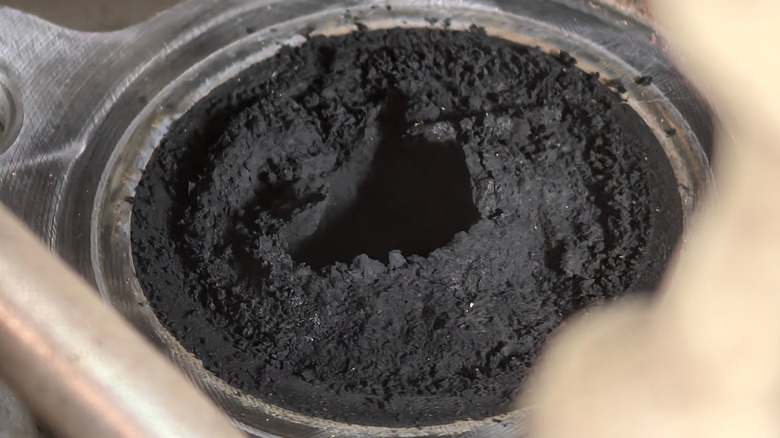
The EGR valve is an emissions device, and it does exactly what it says on the tin: recirculates exhaust gases. More specifically, it takes a portion of the engine's exhaust gases and reintroduces them into the combustion chamber. This allows harmful particulates to be burnt off completely, thus resulting in cleaner tailpipe emissions. However, it can also clog up with carbon quite easily over time, restricting airflow and leading to noticeable problems. Signs that you need to address your EGR valve include poor fuel consumption and reduced performance.
Once again, a faulty EGR valve will likely result in a check-engine light; common trouble codes include P0400 through P0409. Although, these are generic codes — not manufacturer-specific. So if you suspect your EGR to be at fault due to poor performance, don't rule it out just because you don't immediately recognize the code.
The good news is that EGR valves can be cleaned out. Again, you can use treatments to clean them as they are, but it's worth removing them to make sure you're doing a thorough job. Getting this done sooner rather than later is recommended, as faulty EGR valves can damage other components over time, too. If cleaning it sounds like too much time and hassle, a new EGR valve will alleviate your issues. In some instances, this is quite affordable; a new EGR could easily be had for between $100 and $800. And this is still a lot cheaper than rectifying a damaged turbocharger.
Diesel emission systems are a common cause for headache
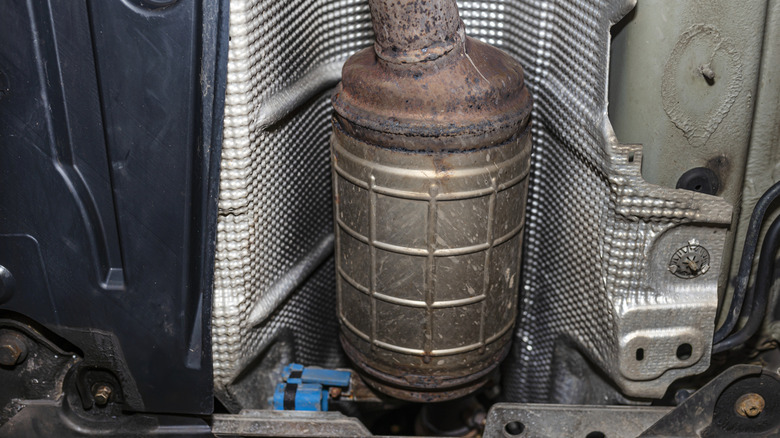
Aside from the EGR, other emissions devices also have the ability to disturb and downgrade the performance of a diesel vehicle. This includes the catalytic converter and diesel particulate filter, or DPF. The mass majority of diesel cars and trucks produced after 2000 will have catalytic converters, whereas DPFs became commonplace a little later — around 2007. Both work in different ways, but essentially, the role of each is to reduce the number of harmful toxins that enter the atmosphere.
Over time, a catalytic converter can begin to clog – the most obvious symptom of this being a rotten egg smell. While replacing these is not cheap, with costs typically starting around a few hundred dollars for universal items, and soaring to many thousands for heavy-duty OEM replacements, leaving the problem will only make matters worse. A failed catalytic converter can cause damage to other mechanical components and might just stop your car from running altogether.
It's a similar story with DPFs too, which block over time. These can be cleaned and regenerated, but that's not always a guarantee. Driving short distances will cause these to clog up quicker, and restricted performance — plus warning lights on the dash — is a common indicator that something is up. Acting fast is always the best bet, but if cleaning or regenerating the DPF doesn't work, then replacing it is the next step — and this, too, could easily attract four-figure bills.
Serious engine faults will also affect performance

While many reasons for power loss in a diesel are easily rectified by swapping a few parts out, sometimes rectifying the fault is a little more involved. Failed piston rings, head gasket failure, and other such wallet-busting problems are just as damaging to your engine's performance and health in a diesel vehicle as they are in something gas-powered. But dramatic issues like these rarely just spring out of nowhere.
You might notice excessive smoke, high engine temperatures, or warning lights beaming away on the dash before any critical damage is caused under the hood. Some drivers will turn a blind eye and hope that the problem just disappears, but wishful thinking never works. If an engine has damaged valves, a blown head gasket, or piston ring failure, the only real fix here is to do serious surgery on the engine or replace it altogether for something you know is more reliable. On older cars and trucks, it can often be cheaper to just replace the vehicle than to continue carrying out relentless repairs.