

The Very Few Circumstances When Spark Plugs Are Covered Under Warranty
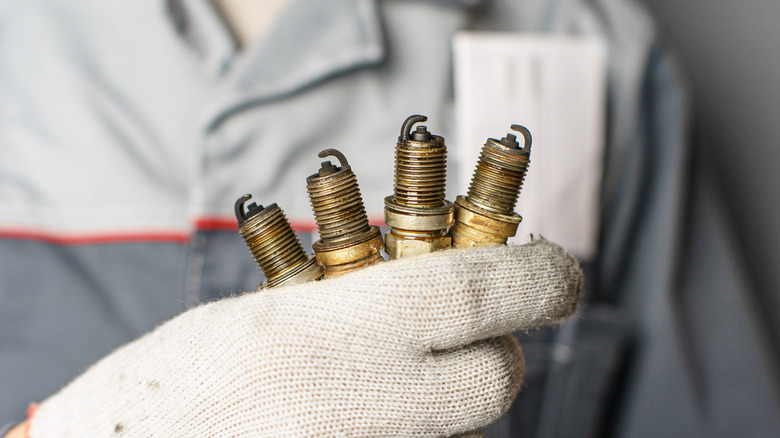
Generally speaking, spark plugs are not going to be covered under warranty. However, there are a few instances in which they would be. If they are clearly already broken upon purchase, prior to having them fitted, or if they don't work even after being put in correctly, the plug manufacturer's warranty should cover this.
This doesn't necessarily apply exclusively to brand-new plugs. If they fail prior to their expected service interval, but have been correctly installed, then the owner can expect the warranty to still cover replacement. Additionally, these warranties will also usually cover issues with the plugs' materials or construction. In that case, if a spark plug fails on your new car, the claim would likely be made against the plug-manufacturer's warranty and not your car's warranty.
Possibly the only instance in which your standard vehicle's warranty would cover spark plugs under warranty is if they fail due to consequential damage. For example, if the vehicle has been running rich due to a failing injector and the spark plug is therefore fouled, the injector claim should also include the fitment of new spark plugs. It should be noted that most modifications will void your warranty, so if you've fitted uprated injectors, don't be surprised if the warranty provider for your fouled plugs rejects the claim.
Why spark plugs are usually not covered by warranty
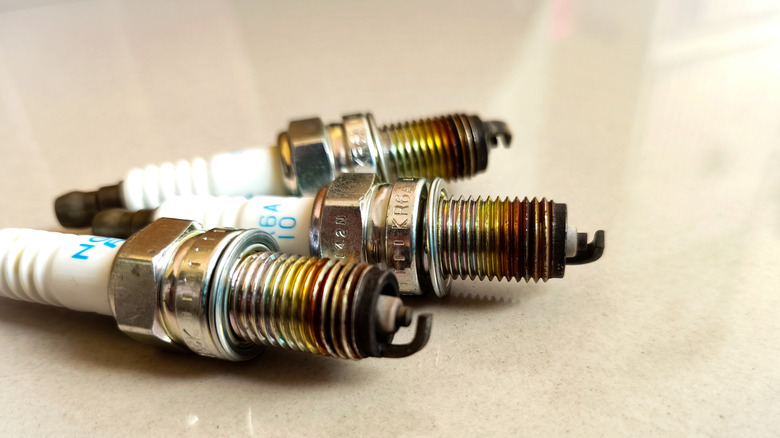
Whether it's a standard or extended warranty that you're considering, it's important to take a thorough look through the terms and conditions. It's here that you are almost guaranteed to find that wear and tear will not be covered. So-called "maintenance items" aren't covered, either, and that's exactly what spark plugs are: a part of your car that should be changed out at regular intervals.
The expected life of a spark plug does vary from car to car, but as an example, Toyota suggests that the average expected service life of its spark plugs is around 80,000 miles. These should then be replaced as part of your regular servicing regime instead of waiting for them to fail. Should they fail before that point, then they may be covered under the circumstances outlined above. But if they've already completed their expected service interval, then your warranty provider won't give you any help.
Signs that your spark plugs need replacing

You won't ever get a notification on your dash saying "hey, time to swap out those plugs," so it can sometimes be tricky to deduce whether they're still working or not. Signs of a bad spark plug can vary, but one of the first things you might notice is the appearance of a check engine light shining away. This is a catch-all warning light, but if you read the associated trouble code with an OBD-II code reader, that should point you closer to the culprit.
Furthermore, if you notice any changes in the way your car runs and drives — taking longer to start, idling rough, using more fuel than usual, or misfiring under acceleration — your spark plugs might be to blame. A thorough diagnosis is essential, though; just because your car takes a while to start in the morning doesn't mean simply swapping the plugs out is the cure your car needs. It could just as easily be a failing starter motor, a weak battery, or simply a result of colder temperatures. In that case, you'd be far more likely to be covered under your full vehicle warranty.
If the issue really is a faulty spark plug, though, it could be caused by a number of factors. And continuing to drive when an issue is present may affect your ability to make a related warranty claim further down the line. And that's especially true if you already know the issue exists. The sooner you can report the issue, the better, as some plug manufacturers only offer a 60 day warranty since receipt of goods.