

10 Car Parts You Should Never Cheap Out On
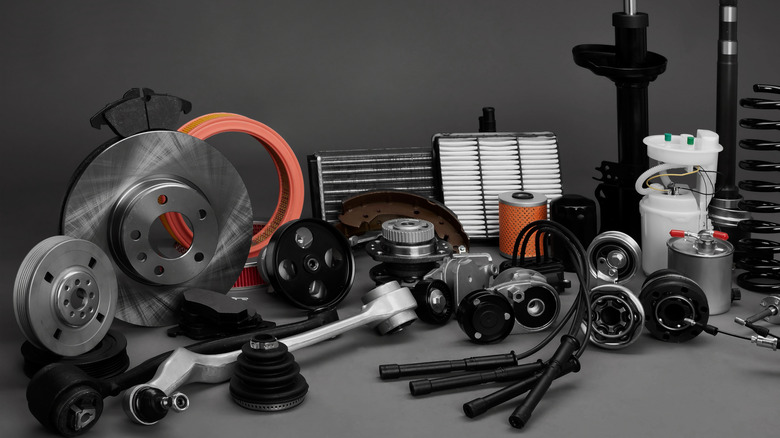
Small issues can lead to bigger problems down the line. This domino effect is true with many things in life, but cars, in general, are among the most susceptible. Cars are a complex collection of interconnected parts that always need to function optimally. If one of those parts fails, it could have catastrophic consequences on other components and systems.
The biggest problem with cars, though, is that people own them. People that aren't necessarily versed with everything that happens under the sheet metal. People that find cars too expensive to own, especially once the breakdowns arrive. So, to save money in these turbulent times, many owners buy cheap car parts. This makes sense, initially. However, cheap parts usually prove more expensive down the line. Heck, they can cause havoc in your car and lead to costly repairs.
Then, there is the labor trap. Today, labor is often more expensive than the parts themselves, meaning the initial savings will be insignificant. In other words, you don't want to pay twice for labor. Some cheap parts also make your car less safe on the road. Yes, you can save cash on some noncritical components, but you should never cheap out on these car parts. Let's have a closer look!
Tires
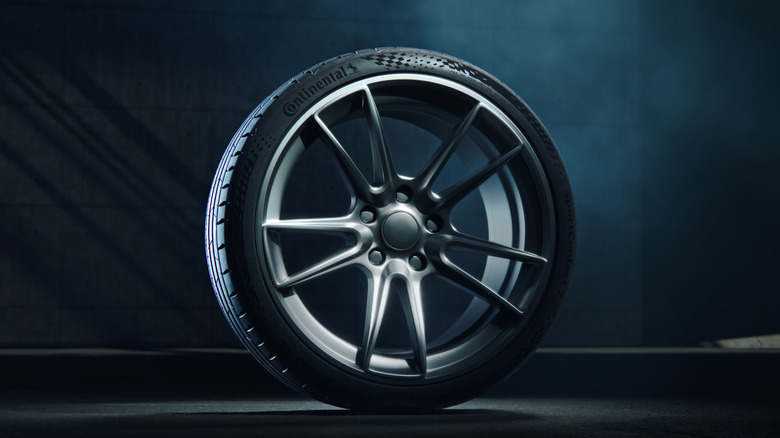
Tires are especially exposed to the Amazon review trap. People will buy a mega cheap set, drive it for a few miles and leave a positive review. The thing is that tire reviews should be left to professionals. Normal people won't test the limits of grip or measure braking distances. And in independent tire comparison tests, cheap tires from unknown manufacturers fare very, very poorly.
Look at this ADAC comparison of 225/40R18 summer tires. In wet conditions, the Continental SportContact 7 needs just 28.4 meters (93.2 ft) to stop, compared to 45.1 meters (148 ft) for the cheap Doublecoin DC-100 tire. Now, imagine trying to stop for a pedestrian. The expensive, premium tires will either stop on time or carry less force at the time of impact. Meanwhile, the cheap tires will still travel at a considerable speed and carry substantial force at the 90-ft mark. Then, there is the matter of longevity. Cheap tires won't last nearly as long and might prove more expensive in the long run. Not to mention, premium tires are made from high-end materials, which also provide low rolling resistance for higher fuel efficiency. You could also expect worse noise comfort if you opt for cheap tires.
So, yes, spending the extra money for tires is worth it, but this doesn't mean you should only look at premium tires. Some of the best-bang-for-your-buck tires according to Consumer Reports include models from reputable, budget-minded manufacturers, like Vredestein, Firestone, and Hankook. These tires are cheaper than the premium alternatives, but still offer excellent safety, comfort, and durability.
Motor oil & oil filter
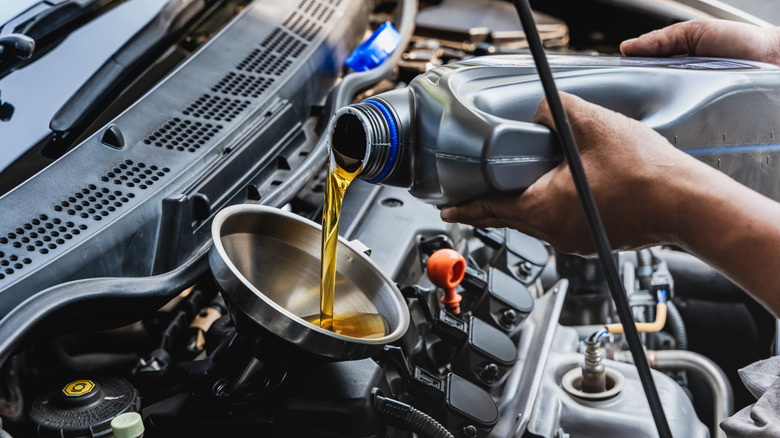
You know what happens when you starve your car's engine for oil. Yup, it dies. Why? Because the engine's internal parts won't be lubricated properly, leading to accelerated wear and overheating. Putting low-quality, conventional motor oil will have a similar effect. Of course, it will provide lubrication and cooling, but it won't protect the engine nearly as good as synthetic oil.
Come on, it's 2025, and there should be no debate — synthetic is the way to go. Conventional 'crude' oil is much cheaper, sure, but it doesn't hold a candle to synthetic in most metrics. It degrades at high temperatures and lasts only about 5,000 to 7,000 miles. It also contains more contaminants and becomes almost honey-like in colder climates. Semi-synthetic oil is better, but still not as good as full synthetic. Okay, but what about the myth that crude oil is better for older engines? People say that because it's less viscous, synthetic oil will leak and will also dry the seals and gaskets. In my experience in the shop, though, this has nothing to do with the truth. Jason Fenske of Engineering Explained agrees — synthetic oil is also great for older engines.
Oh, and make sure the oil filter comes from a reputable manufacturer. There is really no point in saving a few bucks, only to find out that a faulty check valve empties the filter from oil and subsequently starves the engine's moving parts from lubrication. Also, good quality filters do a better job at filtering the metal shavings that could wear the engine's moving parts.
Internal engine components
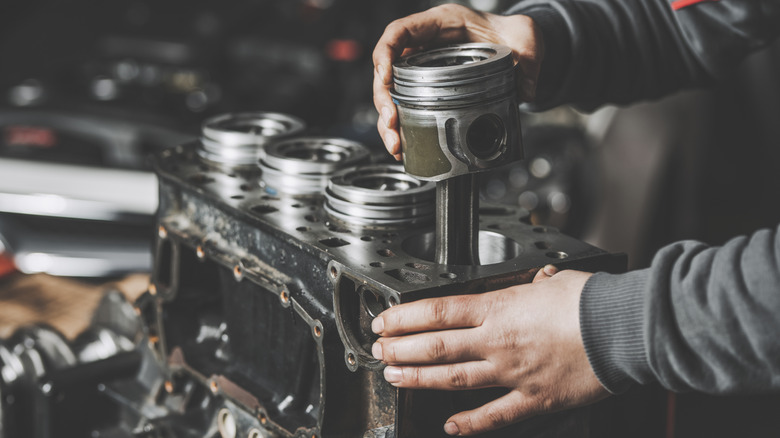
Look, there are many car parts you could save money on and not lose anything in the process. Cabin air filters. Plastic clips. Even lead-acid batteries. But replacing the engine's internal components with cheap, no-name alternatives is downright foolish. See, today, you'll be paying more for labor than parts during an engine-disassembly procedure. So, it really makes no sense to cheap out on parts and save a few hundred bucks, only to risk another four-figure engine opening soon. Of course, this doesn't mean you should just pay for OEM parts. Look for reputable manufacturers that offer the same quality at lower prices. Even better, buy parts directly from the OE suppliers. It's the same part, but at a lower price.
In technical terms, cheap engine components are made from low quality metals, like cast iron, which is brittle and not very strong. A good quality part will be made either from ductile iron, or steel for the highest strength. So, if you are rebuilding an engine, never cheap out on pistons rings. Also, pistons, if they need to be replaced. Torque-to-yield head bolts. Crankshaft. Camshaft. Connecting rods. Hydraulic valve lifters. Valve stem seals. Each of these parts should last for a few hundred thousand miles, because, as we said, you want to set and forget the engine once done. To that end, you can choose the Jalopnik path and upgrade your engine's components with higher quality aftermarket alternatives, like high-performance forged pistons, forged crankshaft, and forged camshaft.
Bearings
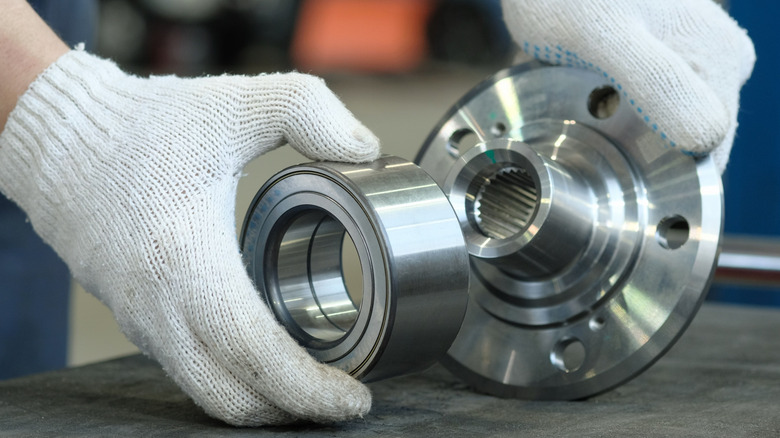
Don't worry, we didn't forget to mention the main and rod bearings, because bearings, in general, deserve a special mention. Wherever a rotational motion is present, a bearing ensures smooth spinning, without too much friction. Wheel bearings. Strut bearings. Water pump bearings. Throw-out bearings. Pilot bearings. Driveshaft center support bearings. Pinion bearings. Really, the list goes on and on.
Once any of these bearing fails, it results in higher noise and vibration. Anyone that has had a bad wheel bearing will immediately remember the unique sound. And these vibrations aren't just annoying, they will damage other components. Same with cheap bearings. Sure, they won't be as rattly as a failed bearing, but also not as smooth as a well-made, premium bearing. World-leading bearing manufacturer, SKF, has conducted a study where it compared the resonance of bearings of different qualities. It's quite a technical read, but the bottom line is that precision-made bearings produce lower resonance, which translates into longer service life. Now, sure, you could argue that SKF will say anything to sell its products. However, there is truth that quality bearings are made using tighter tolerances, which results in better performance and longer life.
Unfortunately, counterfeit bearings have flooded the market today, making it harder for buyers to spot the difference. The issue has become so bad that the World Bearing Association (WBA) has started the 'Stop Fake Bearings' initiative. To help you spot counterfeit parts, WBA has even developed an app that scans the packaging code and checks whether the bearing is genuine. You can download the app on the 'Stop Fake Bearings' website.
Gaskets and seals
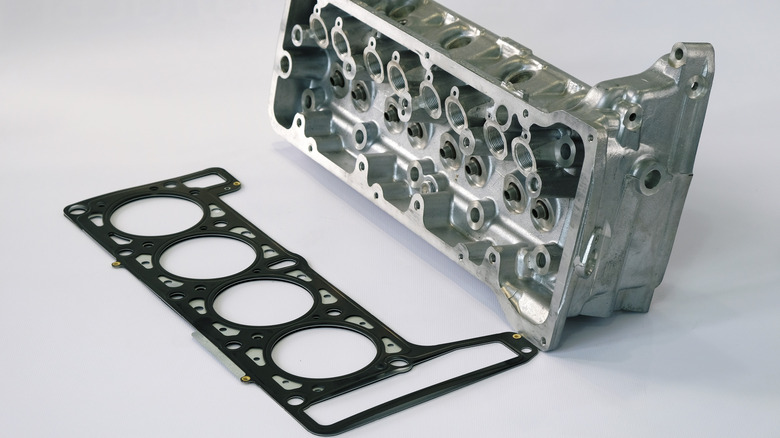
Can you save a fortune by opting for cheap gaskets and seals? Nope. What you will do is flush a few hours of labor down the drain hole. The stories of cheap eBay gaskets that don't seal properly is well documented by now. Of course they won't, because they are made from graphite and asbestos, materials that are not used in quality-made gaskets anymore.
Instead, you should be looking at multi-layer steel gaskets, which have excellent sealing properties in a wide range of temperatures. Gaskets produced by reputable companies also undergo better quality control and are designed for a precise fit. Users have found that some cheap gaskets don't even fit properly, leading to leaks or mixing of oil and coolant. It's the same story with seals. Those made by reputable manufacturers can withstand the temperature and pressure requirements of your engine and last a long time. Meanwhile, cheaper seals are usually made from low-quality materials and will start leaking in no time. What follows is removing the part again, buying a higher quality seal, and paying for labor. Really not worth it for the few dollars you'd save by opting for cheap seals.
Okay, but how about head gasket sealants? Well, they will take care of small coolant leaks, but aren't a long-term solution. There is an advantage to these sealants, though; They don't require removing the head in the first place. In that sense, you won't be paying for labor — they are a DIY job. Even so, we highly recommend consulting a technician on whether a sealant will work in the first place.
Timing belt & chain
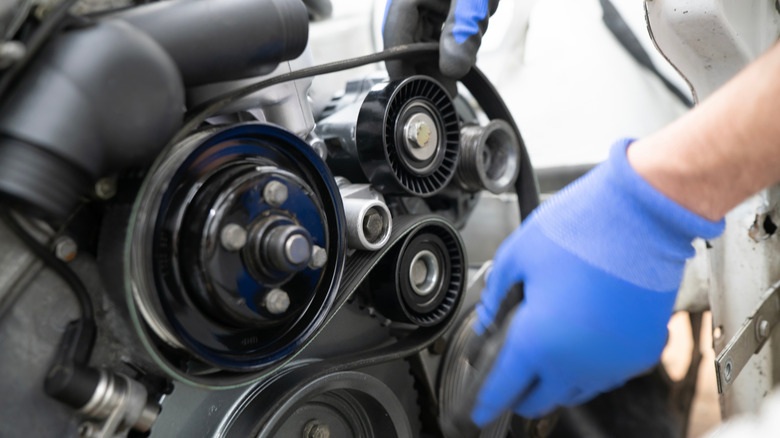
Timing belts and chains are some of the crucial parts on any internal combustion engine, as they synchronize the opening and closing of the valves with the crankshaft's rotation and piston movement. If that sync is broken due to the belt snapping or stretching, the valves will kiss the pistons. Sounds romantic? It's really not, and could wreak havoc on other engine parts. Yes, some non-interference engine designs are not susceptible to this issue, but these are usually low-compression engines that don't produce much power.
Timing belts are designed to be replaced at certain intervals, depending on the engine, usually ranging from 70,000 to 90,000 miles. And when automakers decide on the replacement interval, they consider the quality and durability of the OEM timing belt. However, a cheaper alternative might not be durable enough to last as long and will stretch or snap sooner. This could lead to a catastrophic engine failure and might require a full rebuild, which could cost you thousands of dollars. So, do yourself a favor and always buy timing belts from reputable companies. Also, always replace the pulleys and the water pump (if it's driven by the timing, and not the serpentine belt).
What about timing chains, though? Well, these are usually designed to last the lifetime of your engine, but they can still stretch. In most cases, they require readjusting, but sometimes, you'll need a new timing chain. Again, you'll be doing a disservice if you opt for cheap timing chains, as the potential problems far outweigh the initial savings.
Clutch kits
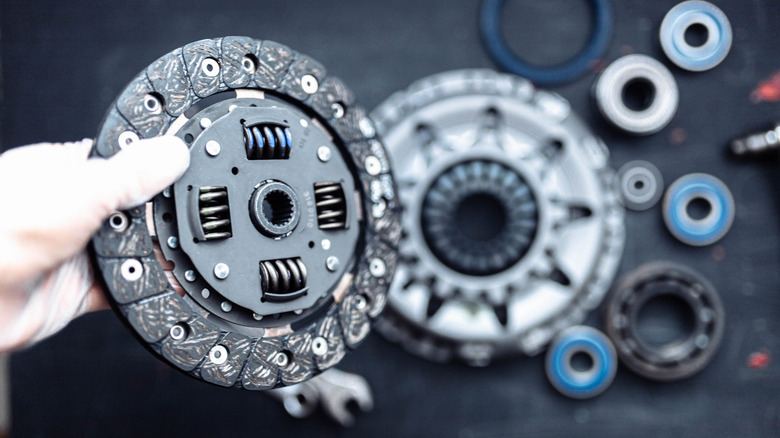
Anyone that has replaced a clutch knows that it's not a straightforward job. It's common, sure, because clutches wear down and should be replaced eventually, but depending on the vehicle, it takes north of five hours. Not only that, but it requires removing the gearbox, meaning it's a two-person job. On some cars with a transaxle setup, replacing the clutch is a tiresome 20-hour DIY job. Yup, DIY clutch replacements are difficult, especially for people with no experience. It also means labor costs are exorbitant, with prices ranging between $375 and $700, depending on the model.
Considering everything that has been said, would you think that saving a few bucks on a clutch kit is worth the risk? Absolutely not. To begin with, you should always replace the entire clutch kit, not just the clutch itself. It's not worth it to save on the release bearing, only to then remove the transmission again a year later. Also, cheap clutches won't last nearly as long as good quality clutches. Not only that, but cheap clutch kits can potentially harm other parts of your car, as evidenced by Circuit Motorsports in this video.
Thus, we highly recommend choosing clutch kits from reputable makers, like Aisin, Sachs, Valeo, LuK, ACDelco, and Exedy. These companies produce OE-quality clutch kits for various automakers, meaning they should last as long as the factory one. What irks the most is that no-name companies, like XTD and Gripforce, usually market their clutch kits as 'high performance,' yet they usually perform worse than good-quality OE clutches.
Brake pads and rotors
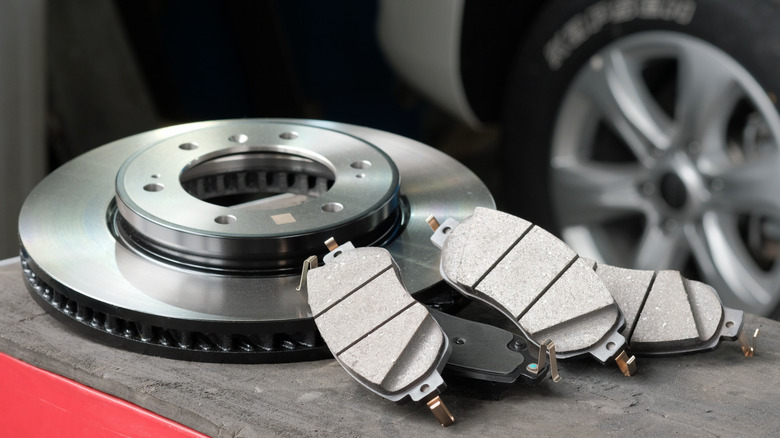
Any brake pad will stop your vehicle. But the real question is — for how long? Brake pads will inevitably fade over time and need to be replaced to ensure good braking performance. Depending on your driving style and conditions (urban or open road driving), the replacement interval for OEM brake pads ranges between 30,000 and 70,000 miles. Crucially, though, pads are usually affordable, costing between $50 to $150 for an OEM pair, with aftermarket alternatives often costing half as much. Some eBay pads might be even cheaper, but you should never consider those. To put it bluntly, you shouldn't put a price on your safety. When it comes to your car brakes, safety should always be the number one priority. Still, you could save some cash by not changing all four pads together when it's not really necessary.
You are now wondering what could go wrong with cheap brake pads. Well, many things. Cheap brake pads often delaminate, i.e., part of the friction material gets removed from the pad due to friction and high temperatures. This happens due to bad manufacturing practices and low-quality materials. Crucially for you, though, it means a significant loss of braking power, especially during panic stops. Even if delamination doesn't occur, cheap brake pads perform poorly at higher temperatures, like when you are driving downhill.
It's the same story with brake rotors. Cheaper discs are made from low-quality metal and less precise manufacturing, which could lead to loss of braking power and warping. They also suffer at higher temperatures and don't cool down as quickly, which can significantly reduce their effectiveness.
Shock absorbers and struts
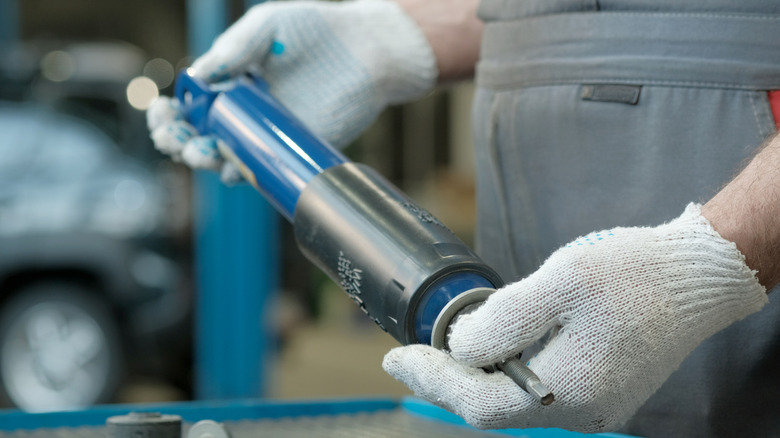
Going for cheap shock absorbers or struts seems like a safe bet. Like, sure, you still expect to replace them sooner than a premium set, but did you know that in the end you might be paying more overall? See, like every other car part, cheap shock absorbers are made from lower-quality materials which wear down faster, meaning more frequent replacements. Furthermore, the labor costs for replacing shocks are significant, especially when you replace all four shocks. Taking that into account, in general, premium shocks pay for themselves after 100,000 miles.
Okay, you might be short on cash now and this didn't change your opinion. Well, cheap shocks also perform worse overall than more mid or premium shocks. The ride will be bouncier, with more vibrations and harshness entering the cabin. Because cheaper shocks wear down more quickly, you'll also experience longer stopping distances and worse handling sooner than on premium shocks. In other words, your car is generally less comfortable and less safe on cheap shocks. Driving with worn-out shocks or struts could also lead to uneven tire wear, which adds to the cost of going cheap.
Okay, but why did we also mention struts? Because the same applies to struts as well. Still, it's important to note that shocks and struts aren't interchangeable. While shocks provide damping, struts add structural rigidity to the vehicle's chassis. Struts are common on cars with independent suspension but aren't present on every vehicle.
Windshield wipers
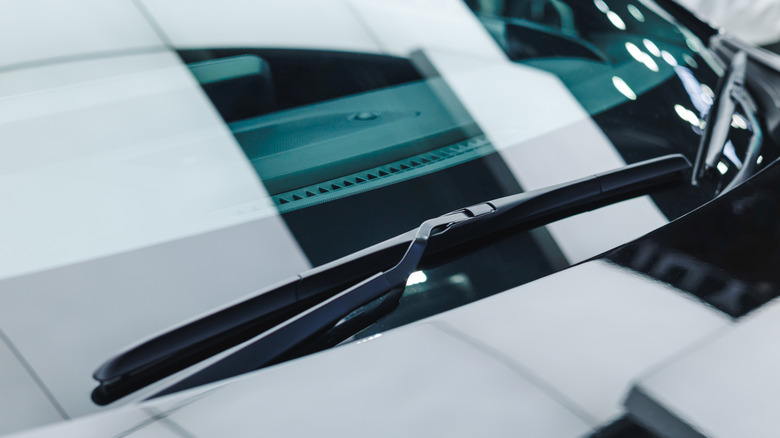
Most people just grab whatever windshield wiper blades they find at the gas station. Most of the time, these are cheap models that get the job done surprisingly well initially. I'll admit — I've done a similar thing two months ago, though I purchased the wipers for my Corolla hatchback on Temu. They worked great! Until, of course, temperatures went down to around 40 °F (5 °C) and the wipers started streaking. However, the thing that drove me absolutely crazy was the constant chattering due to the rubber losing elasticity at lower temperatures.
You can expect similar results if you also cheap out on wiper blades. In this case, you don't need to spend a fortune, but we'd still highly recommend purchasing from reputable manufacturers, like Bosch, PIAA, and Rain-X. In Car and Driver's 2025 wiper blade comparison, most models performed well, though mid and premium blades were generally better. Still, the blank check approach would be going for silicone wiper blades, as they perform better than rubber in almost every metric. Silicone does a better job of removing water, particularly at lower temperatures, and even apply a water-repellent layer on your windshield. Sure, they are expensive, but also last significantly longer than rubber wiper blades, and end up being equal in the long run. Oh, and they're whisper quiet.
Why does all this matter, though? According to a study by the U.S. Department of Transportation, Federal Highway Administration, most traffic accidents happen during rainy conditions. Poor visibility plays a huge part in these accidents. So, for maximum safety, you'd want wiper blades that perform their job commendably.