

These Car Maintenance Mistakes Are Keeping Your Mechanic Rich

Skipping maintenance feels like saving money, until your savings show up as a blown engine, ruined tires, or a roadside breakdown. Regular maintenance is the difference between predictable small expenses and surprise four-figure repairs. Staying on top of fluids, inspections, and parts that wear out is one of the best ways to keep your car safe, reliable, and actually worth something when it's time to sell or trade in.
A breakdown of car repair and maintenance costs from AAA shows just how fast waiting turns expensive. Routine appointments like oil changes, tire rotations, and other maintenance are in the tens or low hundreds of dollars. If ignored long enough, you could end up with engine replacements, transmission rebuilds, or suspension work that can easily rise into the thousands.
Stretching oil changes, neglecting tires, ignoring warning lights, skipping timing belts, and more all adds up. It might be basic, boring maintenance, but you should try and handle it on a manageable schedule. If not, it may feel like your next visit to the shop is funding your mechanic's new toolbox.
Stretching oil changes can cost you
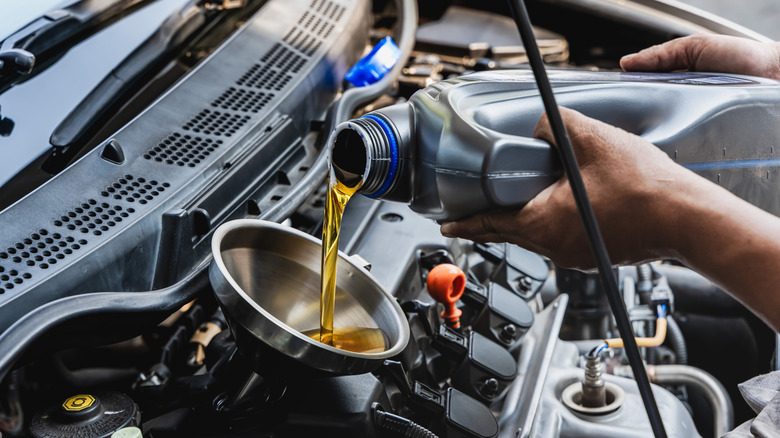
Engine oil isn't a liquid in your vehicle that you forget about until a sticker guilt-trips you back to the shop. Its job is to lubricate, cool, and clean the moving parts in your engine, keeping metal from grinding itself into dust and creating sludge. When you stretch oil changes past the owner's manual schedule, the additives that fight heat, oxidation, and deposits become less effective. The result is dirty oil and sludge that can starve oil passages, reducing oil pressure while wearing out moving engine parts. Letting oil changes slide can also reduce efficiency and increase emissions.
Manufacturer guidance points out that following recommended oil-change intervals is key to engine longevity. A basic oil and filter service is one of the cheaper jobs in car ownership. Oil changes can be estimated at $100 or less for most vehicles, depending on oil type and location. Compare that to the four-figure bill for major internal engine repairs or full replacements when neglected oil finally takes its toll and "saving money" is no longer saving money.
Ignoring tire pressure and rotation eats rubber
Tires rarely wear out all at once. However, neglect will reduce their life and create unsafe conditions for the vehicle. Underinflate them and they flex more, build heat, and wear the shoulders bald. Overinflate them and the center of the tread does the work while the edges barely touch the road.
Incorrect pressure hurts fuel economy, increases the risk of blowouts, and makes your vehicle harder to control in emergencies or bad weather. Skipping rotations causes the front steering tires to wear away faster than back, leaving you with two half-dead tires on the front and two on the back that never got a fair shot. Rotation allows them to wear evenly, and provides regular inspection.
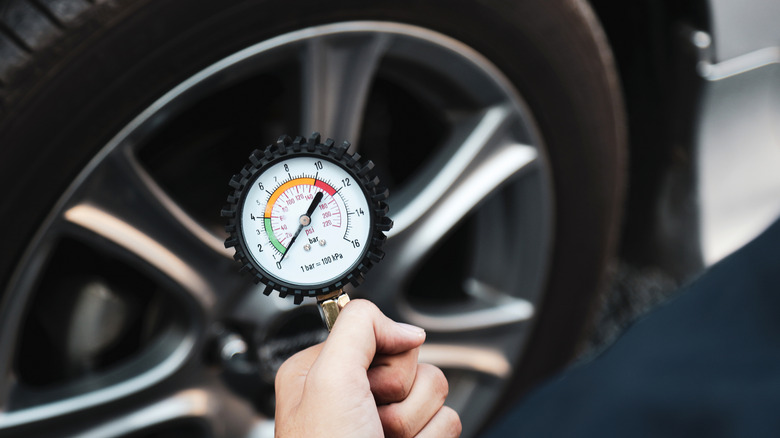
None of this is complicated or expensive to prevent. Watching your tire pressure monitoring System and a simple analog tire pressure gauge lets you check pressures in your driveway in a few minutes, and doing it every couple of weeks, or at least monthly, helps you catch slow leaks before they strand you. A professional tire rotation typically runs about $20 to $100 at most shops, but can often be bundled with other routine services, such as your oil service.
Compare that to the cost of a full set of prematurely worn tires or an accident caused by trying to brake on bald tires in a summer thunderstorm and it becomes clear that proper maintenance is the more cost efficient option.
Lifetime fluids are great — for your warranty's lifetime
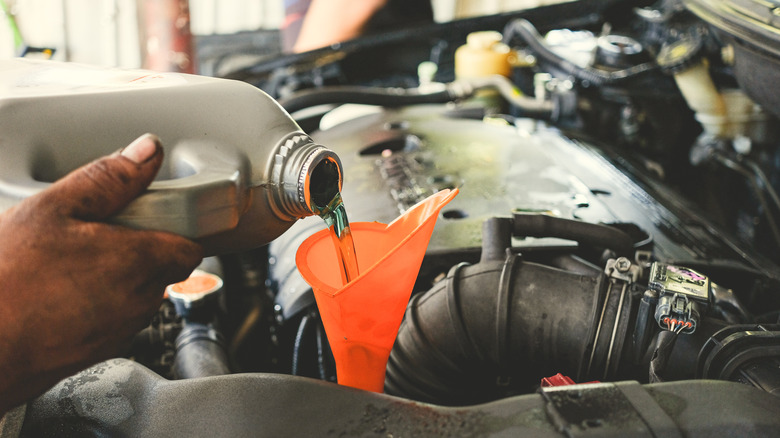
Modern cars have so-called "lifetime" fluids, but in many cases that lifetime lines up suspiciously well with the warranty period, not how long people actually keep their cars. Automatic transmission fluid (ATF), differential and transfer case fluid, brake fluid, and coolant all quietly wear out. Heat and repeated cycling break the additives down, and with ATF, that means less lubrication, less cooling, and more internal wear. Knowing when you should change transmission fluid is important. Over time the fluid oxidizes, can absorb moisture, and leads to dirty, overheated transmissions and premature failures if never serviced.
Brake fluid and coolant have their own failure points. Brake fluid is designed to absorb moisture, gradually lowering its boiling point, which can contribute to dangerous spongy pedals and brake line corrosion. Under heavy pressure from braking, old fluid can create vapor bubbles, making the pedal feel spongy because you are pressing against a gas as opposed to a fluid. Old or incorrect coolant can turn acidic, eating away at aluminum components, and accelerating rust inside radiators, heater cores, and water pumps. Electrolysis in a neglected cooling system can chew through metal from the inside, turning into big repair bills.
Compared to a transmission rebuild, replacement differential, or head-gasket job, periodic fluid services are cheap insurance, and skipping them rarely saves money in the long run.
Pretending that check engine light isn't there gets expensive
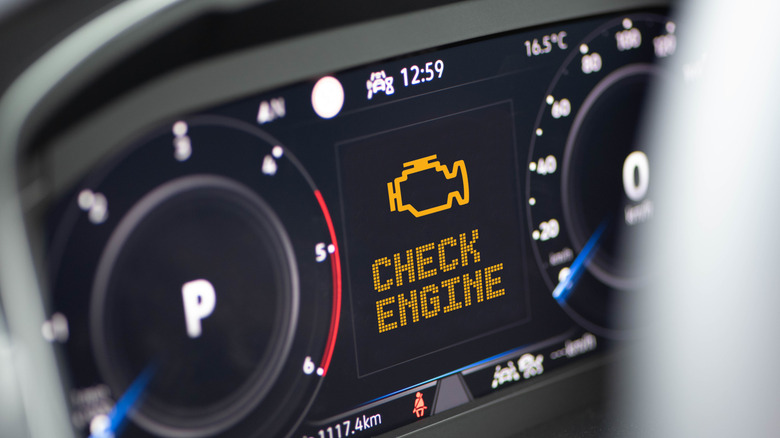
The check engine light might be terrible, but ignoring it can get expensive. Modern cars use warning lights as an early-warning system. The check engine light, anti-lock braking system (ABS) light, and tire pressure monitoring system (TPMS) light all come on long before something truly catastrophic happens.
A check engine light might be something simple like a sensor. Ignore it, and a small problem like a malfunctioning O2 sensor can overwork your catalytic converter, turning a $150 to $600 O2 sensor fix into a large exhaust bill. An ABS light can start with a bad wheel-speed sensor, but driving around with a crippled anti-lock system means longer stopping distances and possibly chaotic emergency stops. The TPMS light is often just low tire pressure or a slow leak. Leave it, and you could be risking tire wear, lousy fuel economy, and a chance of a blowout.
Spending now to read codes and fix small stuff is cheaper than pretending the lights are annoying until something major happens. Urgency as lights pop up on the dash will help maintain the vehicle's longevity, efficiency, safety, and value. In states that have emissions laws, a failed emissions test may provide you with other expenses.
Letting your brakes scream can lead to costly repairs
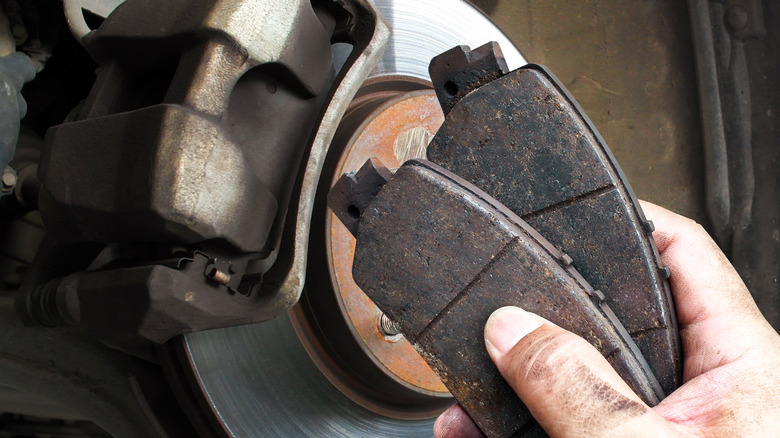
Brake pads are designed to wear down, and many have built-in wear indicators that squeal when the friction material is nearly gone and the indicator brushes against the rotor. That high-pitched noise is the pad's way of begging for a replacement. Ignore that long enough and the pad's metal backing can dig directly into the rotor, generating heat and causing damage.
Done on time, a simple pad swap without rotors is relatively affordable. Many pad-only jobs land in the low hundreds of dollars depending on vehicle and shop. Brake repairs could be a DIY job. However, once you've gone full metal-on-metal, you might need new rotors and possibly hardware, pushing costs to several hundred dollars.
Driving with grinding brakes can damage rotors and other components, turning what should have been a routine service into a much more expensive repair and creating safety issues. The quiet, boring option is replacing pads as soon as they squeal, before they grind. This keeps stopping distances short, pedal feel consistent, and your money in your pocket.
Skipping timing belt service can turn your engine into expensive scrap
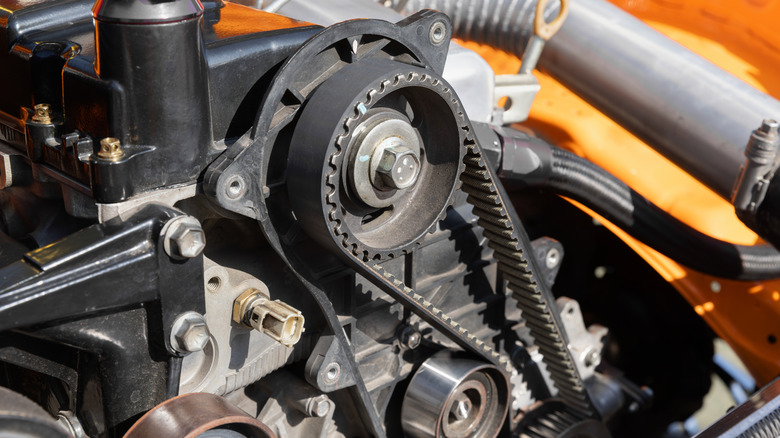
Your timing belt (or timing chain) is what keeps the engine in sync so the pistons and valves don't try to occupy the same space at the same time. A timing chain is one option that manufacturers use that generally lasts the life of the engine. Belts are outside the sealed engine oil space and have to be replaced over time. The belt's job is to synchronize those rotating parts, and when it breaks, it can cause heavy damage to the engine that can cost thousands to repair.
Some engines do not have this problem, but on many modern interference engines, there isn't much clearance between valves and pistons. If the timing belt fails, the loss of synchronization can let the pistons slam into open valves, bending them and potentially damaging pistons, cylinder heads, and more.
You never see the timing belt in normal use, so it's easy to forget it exists. Manufacturers typically specify a replacement interval in years and miles in the maintenance schedule, but many owners blow past that because it seems to be running fine. When the belt finally breaks, the repair is no longer just a belt and tensioner. It can turn into a full cylinder-head rebuild or even an engine replacement.
Compared to that, changing the belt on schedule for often under $1,000 is one of the best expenses you'll ever pay.
That small drip or cracked hose is a big bill waiting to happen
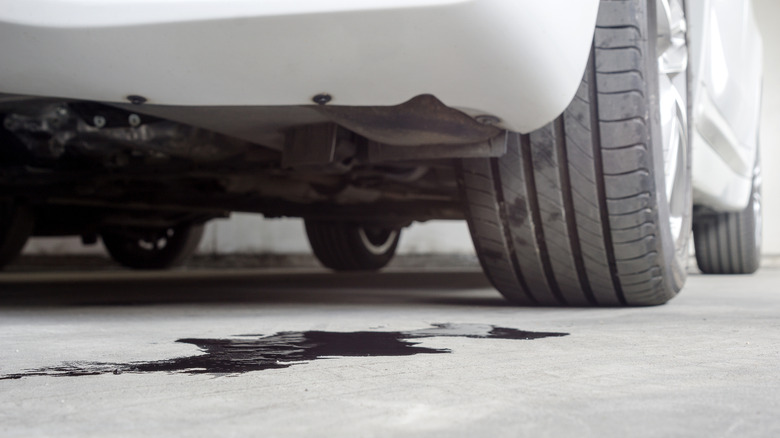
A tiny coolant leak from a hose, clamp, or radiator doesn't stay tiny forever. Cooling-system leaks are one of the most common causes of engines overheating. Once coolant starts escaping, the system can't move enough heat out of the engine, and temperatures spike fast. Leaks in hoses, the radiator, or the water pump are frequent overheating culprits. It's the same story with a little bit of oil seeping.
Then there's the humble serpentine belt. That single belt often drives the alternator, power steering pump, AC compressor, and sometimes even the water pump. Let it crack and snap, and you can lose charging, power steering, air conditioning, and engine cooling in one shot, which means a tow truck, an overheated engine, and a repair bill that makes a belt replacement look like pocket change.
Worn hoses, leaking gaskets, and cracked or loose belts, if ignored, tend to turn into far bigger failures down the road, usually at the worst possible time, and not in your driveway. Maintenance appointments, such as an oil service, should include regular inspections to catch these exact problems before they snowball.
Bargain-bin parts and wrong fluids are false economy
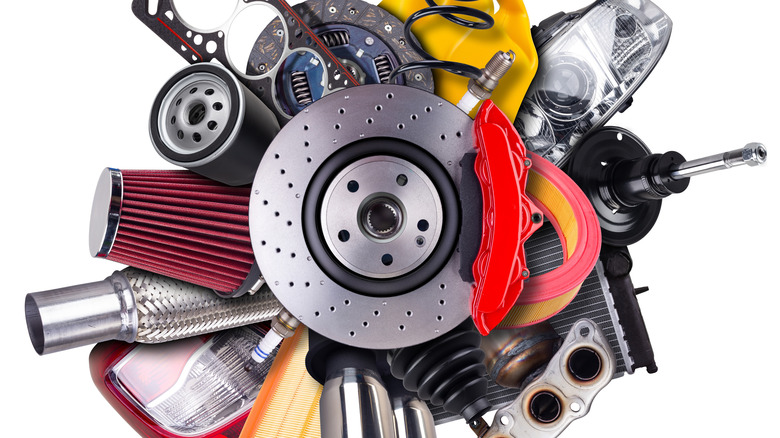
Bolting the cheapest possible parts onto your car can feel like a win, but it's often just a down payment on a much bigger bill. No-name oil filters, bargain brake pads, and cheap suspension parts may not meet the same standards as OEM or reputable aftermarket brands. In extreme cases, counterfeit or substandard safety parts have been linked to crashes and injuries. Counterfeit air-bag components and other fake parts have been tied to multiple deaths and serious injuries in real-world collisions. Overall, OEM parts are always going to be the best solution, but there are pros and cons with choosing OEM vs aftermarket.
Fluids are another place where "universal" and "close enough" can get expensive. Your owner's manual doesn't list specific oil viscosity, gear-oil spec, or brake-fluid type as a suggestion. Those specifications are engineering marching orders. Using the wrong viscosity or a fluid that doesn't meet the required standard can mean noisy cold starts, weak protection under high load, longer stopping distances, and premature wear on engines, transmissions, and braking systems.
Spending more on parts and fluids that actually meet the specification and buying from reputable retailers instead of mystery-brand listings is always cheaper than paying a mechanic to track down weird noises, fix mushy brakes, or replace components that a quality part would have kept alive.
Skipping washes lets rust build up
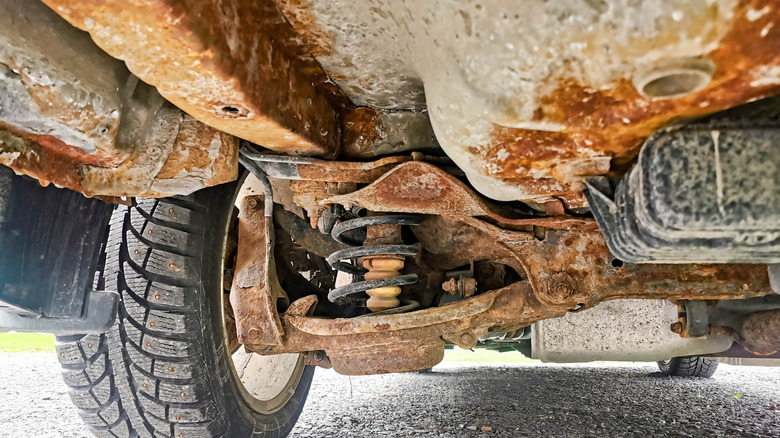
Never washing the underside of your car is how rust quietly wins. Road salt, grime, and wet dirt stick to the underbody and trap moisture against bare metal, especially on brake lines, fuel lines, rocker panels, subframes, and suspension hardware. Over time, that mix eats through protective coatings and starts corrosion that can weaken structural and safety-critical parts. Many dealers and service departments specifically recommend regular underbody washes in winter because rinsing off salt is one of the best defenses against rust-related failures and expensive repairs.
The problem is worse in so-called Rust Belt, where older industrial cities and harsh winters mean heavy road-salt use and lots of older vehicles on the road. The Rust Belt generally refers to the industrial Midwest and Northeast United States. In those areas, rust often kills a car long before the engine does. A cheap wash now can save you from costly repairs later.
Limping home with low fluids is the most expensive shortcut
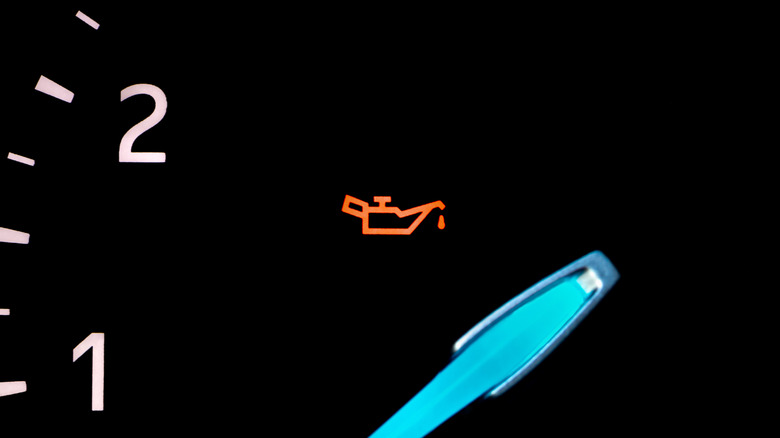
Driving just a few more miles with warning lights blazing is how perfectly good engines end up as scrap. Once your oil pressure or temperature light comes on, the clock starts ticking fast. With low oil, bearings lose their film of protection, metal-on-metal contact builds heat, and it doesn't take long before you're looking at spun bearings or a seized engine. Likewise, driving while coolant is low or the temperature gauge is buried in the red can warp cylinder heads, crack blocks, and cook head gaskets in a single bad trip, causing damage that almost always means a multi-thousand-dollar repair or a whole new engine.
Shops will tell you that driving with low fluids can quickly turn a minor leak into catastrophic engine damage. This is exactly the kind of mistake that keeps them busy with big-ticket jobs, not small fixes. When a warning light pops on or the temp gauge spikes, the cheapest move isn't limping home. The best thing to do is pull over, shut it down, and get a tow. A $150 tow and a hose or sensor is annoying. However, a $7,000 engine because you took a gamble is a lot worse.
Bad DIY repairs can make things worse

Wrenching on your own car can be satisfying and genuinely save money — right up until a quick fix goes terribly wrong. Common DIY mistakes include stripped oil drain plugs from over-tightening, which can crack or ruin aluminum oil pans, and cross-threaded spark plugs that damage cylinder heads. Misrouting a serpentine belt can keep the water pump from turning or shred the belt entirely, leaving you suddenly without charging, power steering, or cooling. Skipping a torque wrench and guessing can result in leaks, broken bolts, or parts backing out later.
Certain jobs are easy to get wrong without proper tools, space, and experience. Advanced work on engines, transmissions, or suspension can quickly snowball if you make a mistake, turning a minor issue into a major bill even for seasoned home mechanics. With that, if you aren't knowledgeable or experienced, and possibly don't possess the correct tools for the job, please don't consult AI as your over-the-shoulder personal assistant. It simply isn't reliable.
DIY is great when you stay inside your skill level, follow factory procedures, and use the right tools. However, winging it, or using unreliable sources, often means paying a shop to repair both the original problem and the damage from your experiment, plus the tow that got it there.
Skipping recalls and technical service bulletins (TSB) leaves free fixes on the table
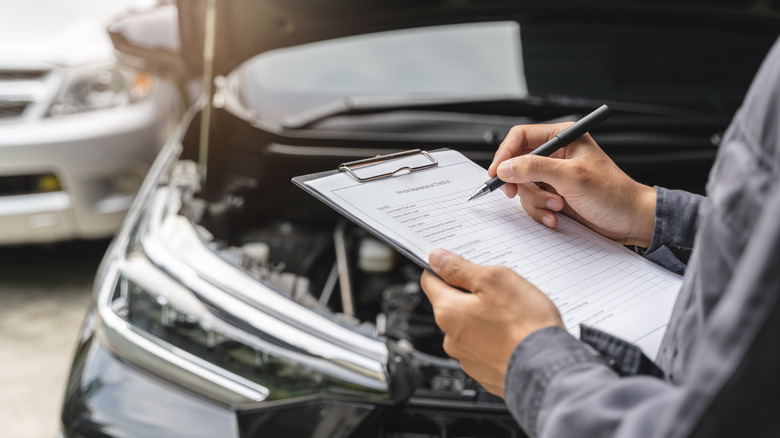
Every modern car has a paper trail of known problems and fixes behind it, but a lot of owners never cash in on the free repairs. Safety recalls are issued when a defect affects safety or emissions. The manufacturer is required to fix those issues at no cost. Technical service bulletins (TSBs) are different. They're guidance to dealers about known issues and updated parts or procedures. A TSB isn't always a free repair by itself, but it can mean your mystery problem already has a documented fix waiting in the manufacturer's system.
There is a catch. You actually have to check for safety recalls and TSBs. Many drivers ignore recall mailers, toss emails in spam, or never run their VIN through an official recall checker like the one provided by the NHTSA. That's how cars keep racking up miles with bad parts or electrical issues that could've been addressed years ago. On newer vehicles, manufacturer software updates can also improve drivability, fuel economy, and reliability if the car sees a dealer or qualified shop.
Ignoring recalls and TSBs is like refusing free insurance against problems your car is already known for. Your mechanic won't complain, but your wallet might.
Lack of records costs you at trade-in
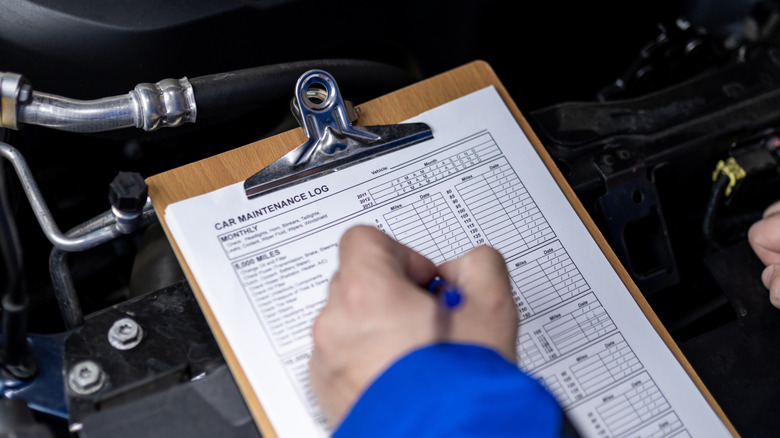
Keeping solid maintenance records isn't just Type A behavior, it's money in the bank when you go to sell. Service logs and invoices show a buyer or dealer that oil changes, brake work, and other basic maintenance actually happened, instead of simply accepting someone's word. Tools like a vehicle history report with documented service entries make a car much easier to evaluate and justify a stronger offer, while a sketchy or missing history gives buyers leverage to lowball you or walk away entirely.
The same logic applies before you buy. Skipping a professional pre-purchase inspection is one of the biggest used-car mistakes experts warn about, because a $200 to $400 check can catch worn brakes, leaks, overdue timing belts, and other deferred maintenance you would otherwise discover later at full shop rates. An incomplete set of maintenance records might give you a good reason to worry. However, good paperwork and a baseline inspection keep surprise repairs from quietly draining your wallet.