

The Crucial Difference Between Flock Cameras And Plate Readers In Other Countries
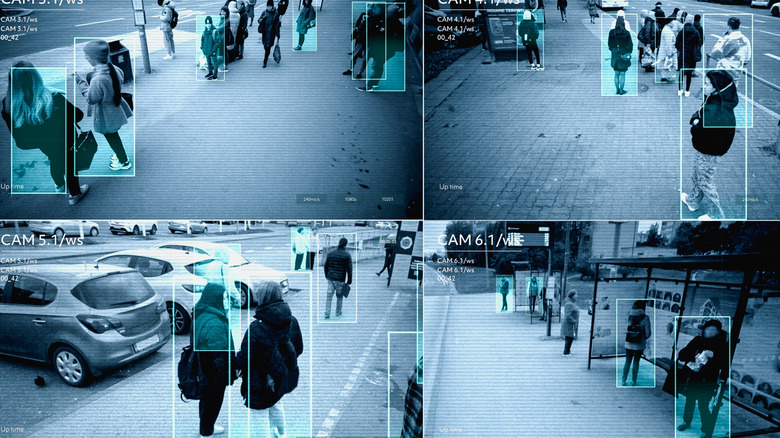
Stories about Flock cameras and other stalkerish automatic license plate readers (ALPRs) have been a mainstay of American news for the last year or two, and horror stories involving this questionable technology are everywhere. From police using ALPRs to stalk citizens to AI-powered ALPRs flagging innocent auto journalists for stealing vehicles, there's no shortage of evidence that ALPRs are making the world worse. A lot of such stories you see in the news and even here on Jalopnik are about misuse of and issues with ALPRs specifically in the United States, though. While there's certainly some bias toward American news on publications based in the States, it still does raise the question: Are there Flock cameras or equivalents in other countries? And if so, do they cause the same volume of issues?
The answer is an interesting one. First, yes, ALPRs do exist outside of the United States, though the technology is often called automatic number plate recognition, or ANPR, due to regional differences in how license plates are referred to. Nearly 100 countries use this technology to track automobile movement and other data. However, Flock cameras themselves aren't nearly as prevalent outside the United States. In fact, the big difference between the implementation of license plate recognition technology in the U.S. and abroad is in who owns it and how the data collected is managed.
See, Flock Safety and Axon, two of the biggest promulgators of ALPR tech in the States, are privately operated companies that contract their services out to the state via entities like police departments and city councils. In other countries, and European countries in particular, ALPRs are typically owned, deployed, and operated by the state itself, rather than subcontracted through private companies. This distinction might just make all the difference.
State-owned vs. state-sponsored surveillance
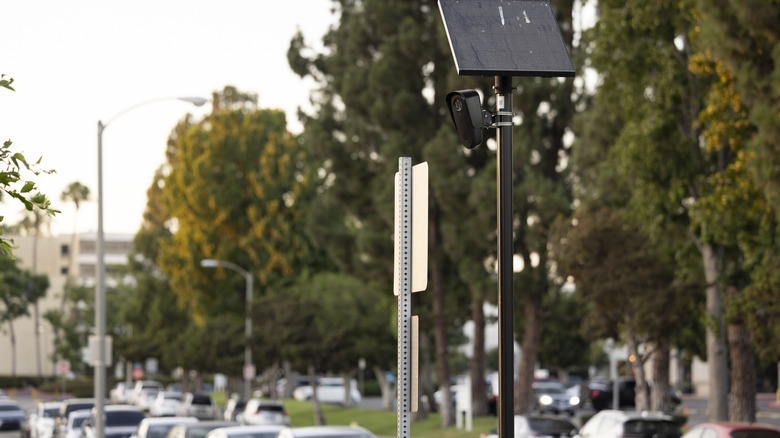
If you're skeptical that a state-owned surveillance network is different than a privately owned, state-sponsored surveillance, well, you know, that's fair. But there are indeed some notable differences between how this technology is treated in the U.S. and how it's used abroad.
The rest of the world is certainly no stranger to surveillance. For example, the UK has a massive network of CCTV cameras that leave urban areas like London heavily monitored at all times, and they're now employing AI to level up their surveillance efforts, too. AI-powered surveillance is also rapidly ramping up in China, Brazil, and Australia.
Whether these networks are installed and operated by governments or private entities, the fact is that there's room for abuse by those with access to the data. However, in some other locations, it's easier for governments to regulate and oversee how the data is used. For example, European ALPR data is protected by the region's General Data Protection Regulation, which is way more than we have here in the ALPR Wild West.
In the U.S., Flock data from one municipality can be accessed by basically anyone in other areas with a Flock contract, and hackers who pulled a Flock camera apart showed that it's pretty easy to get the stored data even without a contract. Some police officers have even been caught accessing Flock data after leaving the force, according to the Washington Post. When this happens, finding accountability can be hard. ALPRs owned and run by the state directly at least have clear channels for voicing dissent, though it may also be true that they're more entrenched and harder to remove.