

Average New Car Price Hits New Record High (And Even The Good News Doesn't Sound So Good)
Great news everyone! We just set another new record, and this time it has nothing to do with diesel prices. Sadly, though, it isn't nearly as cool as the Chevrolet Corvette ZR1X destroying the Pikes Peak production car record over the summer. No, unfortunately for everyone who still has to work for a living, Kelley Blue Book reports the average transaction price for new cars hasn't just crossed the $50,000 mark. In October, the average transaction price rose to a level never before seen in the U.S. So that's pretty exciting. Aren't you thrilled to be alive right now to experience it?
Using data from its parent company, Cox Automotive, KBB says the average price consumers paid for new cars in the U.S. hit $51,109 in the month of October. That's 1.3% higher than it was in September and a 2.1% increase year-over-year. Higher prices aren't usually a good thing, especially when those higher prices are on things most people need to use every day (cars) instead of luxuries that you don't have to own to participate in society. The average MSRP of new vehicles is also up, reportedly hitting $52,933 in October, up 1.4% versus September and 2.4% higher year-over-year.
That said, it isn't all bad news. There's always a silver lining, and this time around, KBB says, "The Kelley Blue Book ATP estimate marked an all-time high even as vehicle price inflation in October was below long-term averages." Yes, you read that right. The average price people are paying for new cars hit an all-time high in October, but at least the rate of inflation isn't as high as it could be. Don't you feel grateful for that? I know I do. From the sound of it, dealers are also perfectly happy to let customers pay those high prices, as opposed to chasing faster turnover:
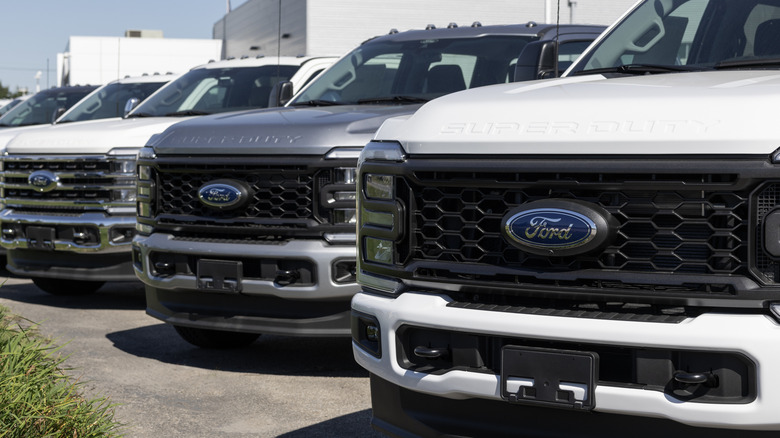
The higher ATP – an estimate of the average product prices paid in October before all available incentives, taxes and fees are factored in – was driven in part by both price inflation and strong sales of expensive midsize and full-size SUVs and full-size pickup trucks. Incentive spending increased modestly in October but remains below long-term averages, suggesting automakers and dealers are not aggressively pursuing sales and inventory reduction, despite record prices.
Trucks all the way down
KBB also found that incentive spending accounted for 6.8% of ATP in October. With September 2026 at 6.7% and October 2025 at 6.5%, incentives are trending upward but it's been slow and doesn't appear to have contributed significantly to October's ATP record. Plus, not every car costs the same, and some segments will naturally cost less to buy than others. Once you break pricing out by segment, only one really feels like an outlier. Here's how KBB's breakdown looks:
- Midsize SUV: ATP of $50,570, up 1.9% year over year.
- Compact SUV: ATP of $37,895, up 4.3% year over year.
- Full-size pickup truck: ATP of $67,912, up 1.4% year over year.
- Subcompact SUV: ATP of $31,333, up 1.9% year over year.
- Compact car: ATP of $28,030, up 3.4% year over year.
As you can see, midsize SUVs were number one in sales volume and had an ATP of $50,570, but the people buying compact cars only paid $28,000 for them on average. That probably seems high for a compact, but remember, a 2027 Nissan Sentra without any options has an MSRP of almost $25,000 with destination, and an extra $3,000 to drive something nicer than a stripped-out, base-model Sentra sounds pretty fair to me.
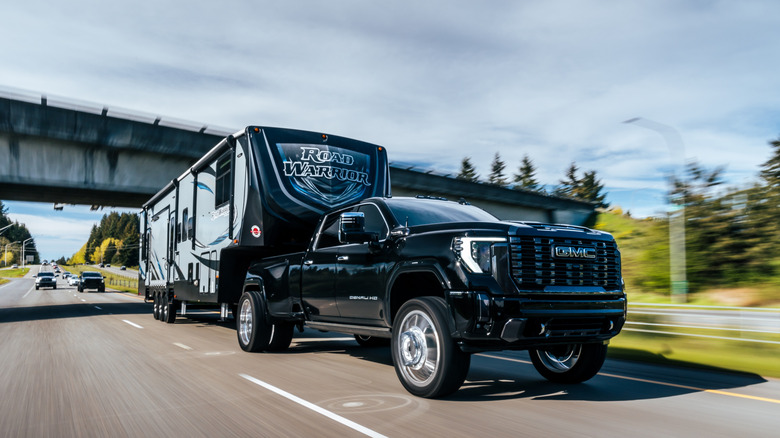
Meanwhile, full-size pickup trucks placed third behind midsize and compact SUVs, but the average transaction price is close to double what people are paying for Honda CR-Vs and Hyundai Tucsons. Yes, on average, full-size truck buyers pay $67,912 for their trucks. Some Ford F-150s will cost more, some Chevrolet Silverados will cost less, but on average a full-size pickup truck buyer spent more than $65,000 to buy their truck.
That said, it's also worth reminding everyone that if you adjust for inflation, the 1997 Toyota Camry cost more than a brand new 2026 Camry does today. Truck buyers' obsession with expensive trucks skews the average, but if raises had kept up with inflation, it wouldn't be nearly as scary to hear the Camry now starts at $30,995. Cars haven't gotten too expensive. Our bosses denying us raises has simply left us too poor to afford these new cars. Meanwhile, they're out there buying $70,000 trucks like its nothing. Or at least they did before Woke 3 arrived. Maybe under Woke 3, we're all getting raises.