

FAA Finally Certifies Boeing 737 Max 10 For Commercial Delivery, Bringing The Entire 737 Family Into Service
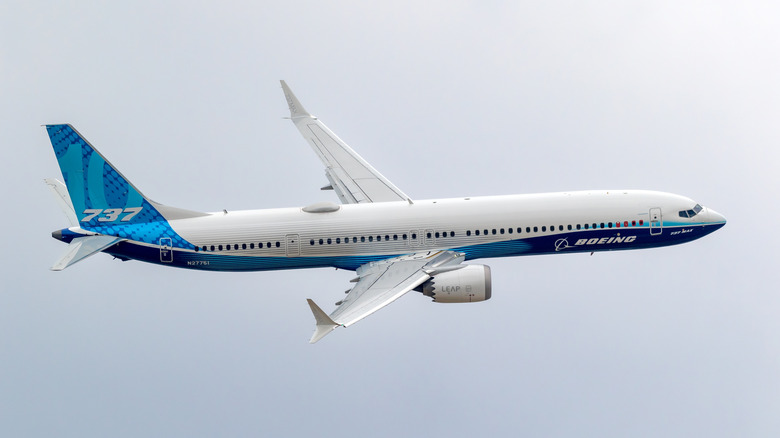
It has finally happened: the Federal Aviation Administration has certified the Boeing 737 Max 10, meaning that the entire range of the company's best-selling aircraft is now suitable for delivery to airlines in the U.S. The 10 variant is the largest of the 737 Max family, able to seat up to 210 passengers in a two-class configuration, making it something of a successor to the mid-size 757. It now joins its siblings, the 8 and 9 variants that have been flying for years, and the smallest 7 variant that only got certified a few months ago. This is great news for Boeing, which is on a hot streak lately: It recently recovered the ability to self-certify individual planes for safety and overtook archrival Airbus in annual sales.
The 737 Max 10's certification was stuck on the runway for a long time before finally achieving liftoff. The variant flew its first test flight way back in 2021. This was after the horrible 737 Max crashes of 2018 and 2019, so the FAA was quite suspicious of the company and really put this model through the wringer. In addition, the Aircraft Certification, Safety, and Accountability Act was passed in 2020, mandating much stricter standards. The 737 Max 10 is the first plane to go through the new process, though it took five years. You'll be pleased to learn that both Boeing and the FAA are aware of a software glitch that messes with the navigation system, but never mind that! The plane is flyable, and you might well be on one sometime next year.
What's better about being bigger
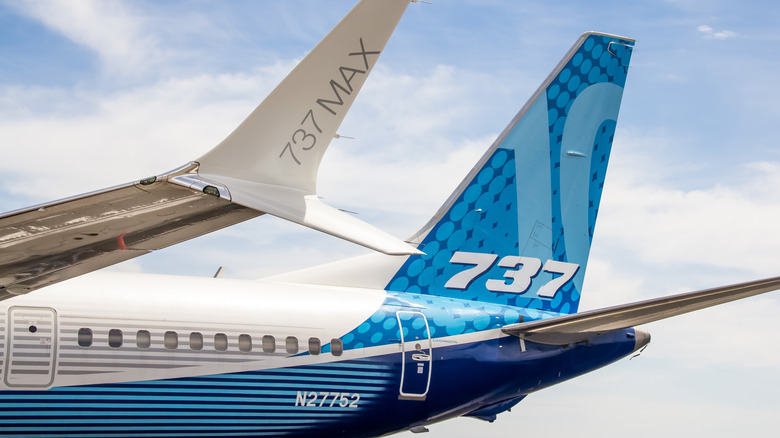
Each of the 737 Max variants has its purpose. For the 10, being larger means that it can handle a route's passenger traffic in fewer flights, giving it the lowest per seat cost of any single-aisle aircraft, according to Boeing. Functionally, it's a replacement for the old 757, which the aviation sector has been waiting for a long time.
With a 3,100-nautical-mile range, the 10 can cover a broad range of routes; however, this is the shortest range of any 737 Max, which limits its appeal a bit. By contrast, the tiny 7 can go 3,800 nautical miles, which can cover the vast bulk of routes, though it can only carry up to 160 passengers in a two-class configuration. Still, the 7's light weight means it's great for high-altitude or high-temperature airports.
The all-around champions here are the 8 and its very close twin, the 9. You've probably been on one. The former can take up to 180 passengers up to 3,500 nautical miles; the latter can take up to 195 passengers up to 3,300 nautical miles. These two combined have made the 737 Max into Boeing's top seller ever. Getting the 7 and 10 certified adds icing to that cake.
It's a good amount of icing, though, since over 30% of current 737 Max orders are for the 10 variant. Simple Flying reports that Canadian airline WestJet will be the first to get the shiny new planes in early 2027 (provided that Canadian regulators also certify them). Boeing will then fulfill orders, all 1,555 of them, for other customers all over the world. Now all Boeing has to do is get the 777X finally certified.