

What Will Transportation Look Like In The U.S. In 2050?
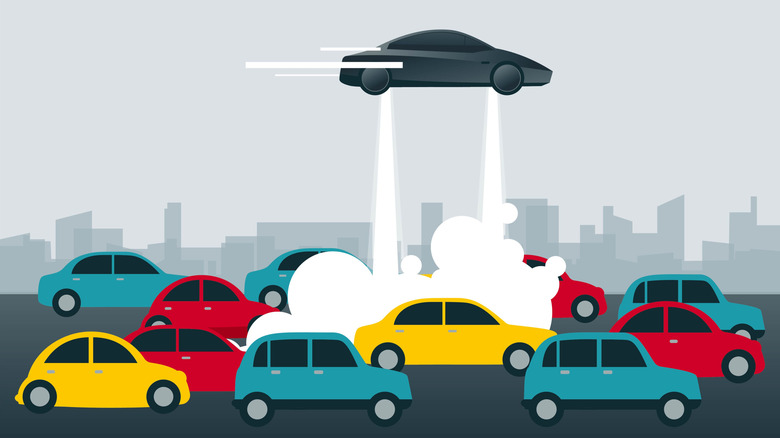
Depending on who you ask, the motor car was brought to life in Europe, but it was Henry Ford that brought it to the masses from the U.S. By the Jet Age, technology had already advanced so quickly, humanity's dream was a place in the stars and with flying cars, reflected in jet-inspired, futuristic designs on everything from cars to toasters. We'd certainly be in flying cars by the 21st century, right? But we're 26 years into the 21st century and still flying on the same planes that revolutionized the skies almost 70 years ago. The technology operating those aircraft and vehicles is different, but the cars aren't flying. And thank goodness, because a good portion of the population can barely drive. Can you imagine them also flying?
Humanity has been inching closer to that future, but there are still big hurdles to clear. We are clearly struggling through the growing pains of possible driverless technology, and no matter what Florida does when it comes to flying VTOLs and e-VTOLs, regular commuters won't have flying transport in their future any time soon.
The future feels a bit murky right now, too, as the gas crisis caused by the U.S. and Iran war has sent consumers towards adopting electric cars, all while the U.S. continues to eliminate fuel economy restrictions. With all the turmoil, what will transportation look like in the U.S. in the year 2050? That's what I want to know.
The romantic optimist in me dreams of a future where leaders come to their senses and realize investing money in public transportation (extended to rural areas) and high speed rails will improve accessibility and affordability for everyone. Can we really change that much in 24 years, though? After the last 10, it's difficult to say.
Welcome to the United States of Amazon
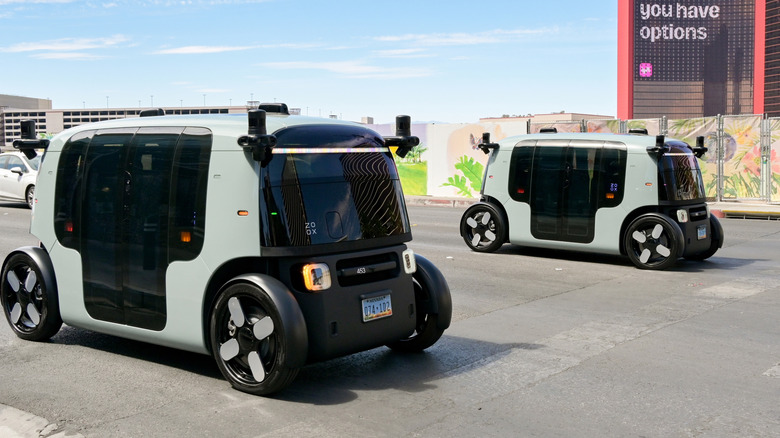
Here's how I see it: In the year 2050, if Detroit's automakers survive, they'll barely be hanging on. And to my mind, the biggest threat to the automotive scene is now Amazon. Obviously, by that point, it will have beaten out SpaceX-Tesla because Amazon already delivers anything the American people need at a moment's notice. With grocery delivery, drone delivery, and drivers that deliver seven days a week, why not also figure out a way to deliver people too? Jeff Bezos invested in the Slate truck and quickly brought it back into the fold as an Amazon Basics product.
Amazon's autonomous vehicles (because it has those too) will deliver you to your Amazon factory job, because we still won't have nailed down robots. Otherwise, people won't need to leave the house much because everything can be brought to your Amazon-made home. You won't need public transportation if you're at home all day, everyday, putting in time to help power the Amazon grid.
With that nightmare now out in the world, it's your turn to tell us what you think transportation will look like here in the U.S. in 2050. Maybe your vision is a bit more optimistic. Seeing as the biggest things we've gotten in the last 25 years are massive home offices on wheels, electric cars, and some hands-off driving, a realist might predict improvements in those sectors, and possibly the death of some auto companies. Let us know what you think in the comments below.