

What Happens When You Put Gas Into A Diesel Engine

Look, I get it. You were distracted by whatever nonsense was on your TikTok, you grabbed the wrong handle, and put it in your truck without thinking about it. It happens to lots of people. Some people. People have done it, that's what I'm saying. Every fueling station has different colored handles for the diesel pumps, so you got confused and put gasoline in your diesel-powered vehicle. How bad could it be? Gasoline and diesel are both liquids used to power engines, after all.
If you accidentally pump gasoline into your diesel engine, though, even a little bit, you shouldn't even try to start it. The best course of action is to have the vehicle towed to a shop and the entire fuel system drained. There is a reason that diesel and gasoline pumps use separate nozzles, as even the smallest amount of gasoline fuel held in the pump hose can completely ruin your diesel vehicle. Different grades of gasoline can share a pump handle, and mixing those together isn't the end of the world, but diesel is a different beast.
The two fuels may seem alike, but pumping the wrong one into your car could wreck your day, if not your ride. Even with a small amount of gasoline in your diesel tank, you'll likely notice significant performance issues with your vehicle. Gasoline-contaminated diesel will result in incomplete combustion, misfires, and potential damage to your fuel system components. Gasoline is particularly harsh on high-pressure diesel fuel injectors, potentially causing long-term fuel delivery issues even after the gasoline is out of your tank. Incomplete combustion can cause hot spots inside the engine's combustion chamber, too, potentially overheating and damaging the cylinder walls and pistons.
How long can you drive with gasoline in your diesel tank?
While both are derived from crude oil extracted from the ground, the similarities kind of end there. Gasoline is a more refined fuel, making it less dense and more combustible than diesel, requiring lower compression and lower temperatures to burn. Diesel, meanwhile, contains about 20% more energy per gallon and requires high compression to ignite, producing a slower burn and better thermal efficiency. Gasoline combustion in a diesel engine will also cause significant black smoke and carbon buildup, potentially leading to sticky or damaged exhaust valve seats. Gasoline can also cause clogs in your fuel lines or filters, and lacks the lubricants your fuel pump and injectors need.
Even if you don't see any of these issues with your diesel vehicle right away, gasoline will adversely affect your engine's performance and fuel economy. The engine will, at the very least, run rougher, respond sluggishly, smoke significantly, and make abnormal knocking or clattering sounds. Gasoline will also cause a diesel engine to stall at random, if it even starts at all.
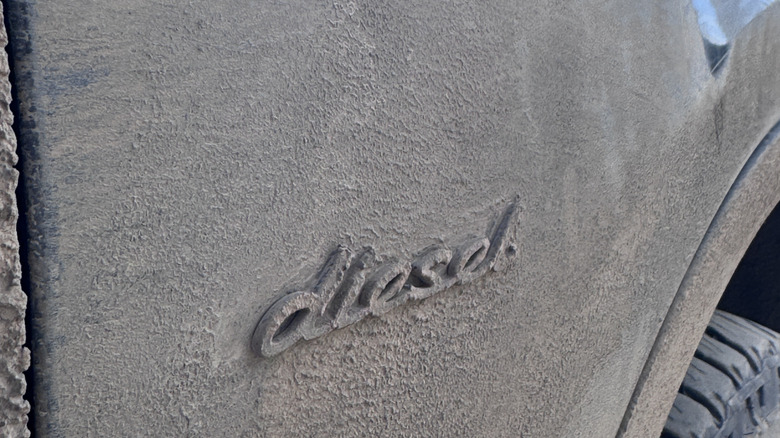
These are not trivial damages, to say the least. At best, your engine runs a little rough, potentially forever, and at worst, you need to get your engine rebuilt or replaced. Putting any small amount of gasoline in a diesel engine is taking a big risk. I have a diesel-powered vehicle, my 2013 Porsche Cayenne, and I wouldn't even think about running it with even a thimble of gasoline in the fuel tank.
I only put a little bit in, how much damage could it do?
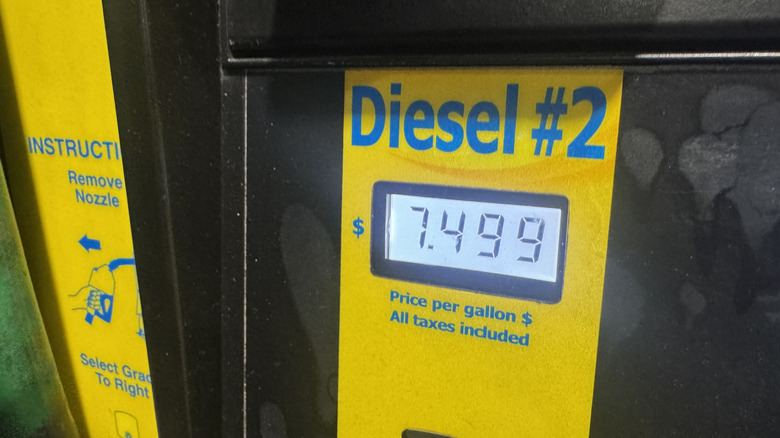
You may have heard stories from friends who got away with a bit of gasoline in their diesel tanks. And the fact is, you might get away without damage if you catch yourself pumping gasoline instead of diesel early enough. Let's say you got about half a gallon in there before freaking out and shutting the handle off. There's a chance you could get off scot-free, but there's also the likelihood your vehicle will need thousands of dollars of repair work as a result. Sure, it's annoying to have to get your car towed and completely drained. Fuel isn't cheap these days, and you just wasted a bunch of it. But consider the alternative.
Even with a mid-triple-digit fuel fill up wasted, you're still several thousand dollars short of where you might be if you need a full fuel system rebuild or a new engine. It just isn't worth the risk to try to burn through the gasoline you put in your tank. Gasoline won't separate into layers with diesel; it'll fully integrate, so all of the diesel in your tank is now useless for anything but maybe heating your home. Bite the bullet, get the tank drained, clean out your fuel lines, and replace it all with fresh number two. If you try to push through it and ignore the issue, things will only get worse.