

10 Cost-Effective Ways To Combat (And Take Advantage Of) Low Resale Value

If you go out in the real world with regular people, depreciation is mostly considered a force for evil, a quantifiable measure of how their stuff is now worth less than what they paid for it. In the automotive sector, however, the depreciation curve for cars is the thin red line separating ordinary buyers with money to burn from a bunch of enthusiasts rubbing their hands together as cool vehicles fall ever closer to being within reach. Whether you let a first owner take the brunt of the financial hit before scooping something up on resale a few years later or play the long game until something exotic becomes attainable simply because you were willing to let it age for two decades, the generally falling value of cars can absolutely work in your favor.
And if you happen to be the one who's going to get burned financially by buying a new car? Well, it turns out there are strategies to at least ease the pain, meaning you can try to maximize the bang for your motoring buck no matter which side of the equation you happen to be on. You can play defense by researching depreciation before buying, financing strategically, and maximizing the value you'll get out of a vehicle when you sell by maintaining it properly. The goal in either case isn't to somehow defeat depreciation. It's to make sure you're standing on the more advantageous side of it whenever possible and keeping the bleeding to a minimum when you can't. Let's talk about some examples of what that looks like in the real world.
Buy used after the steepest depreciation has already happened
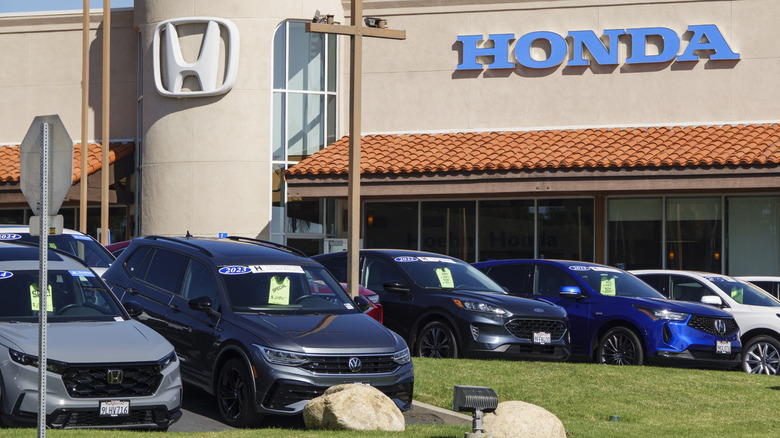
The easiest way to minimize your exposure to new-car depreciation is also the most obvious: Don't buy the car when it's new. Let somebody else enjoy the showroom smell, ceremonially peel the plastic off the touchscreen, and absorb the nastiest part of the depreciation curve before you show up like a vulture wearing a transparent green eyeshade.
That initial hit can be substantial. A new vehicle typically loses about 20% of its value during its first year, although the actual number varies considerably by model. The current used market gives us a more tangible look at what that can mean for buyers. In January 2026, Edmunds found that "the average transaction price for 1-year-old used vehicles was $38,354 compared to $48,576 for new vehicles." That's a $10,222 market-wide price gap after just a year. Waiting a little longer can push the advantage further, with 3-year-old vehicles retaining an average of 66% of their original MSRP. None of this is to say that every nearly new used car is automatically a bargain. Some vehicles can buck the trend, and models with top-tier value retention may not leave room for you to gain much of an edge. But if your goal is to spend less money fighting depreciation, buying after someone else has already volunteered for its most expensive years is a solid place to start.
Research depreciation before choosing a car or trim

The time to think about the depreciation curve of your own vehicle is not several years into ownership when you have KBB open in one browser tab and your loan payoff in another. Depreciation varies substantially from one vehicle to another, and the differences can translate into real money. The 2026 projections from Kelley Blue Book put the average new vehicle at 44.7% of its original sticker price after five years, while its 10 best overall performers average 56.2%. On a $35,000 vehicle, KBB calculates that difference at more than $4,000 over a five-year ownership cycle.
That makes resale-value research worth doing alongside the usual comparisons of price, fuel economy, reliability, and insurance. And don't stop at the model name. Trim and equipment matter, too. Appraisal methodology considers things like trim level, engine, transmission, all-wheel drive, leather seats, navigation, sunroofs, and climate control, because those details can materially change a vehicle's market value. You still shouldn't automatically buy whichever trim has the highest projected resale percentage. Spending thousands on equipment you don't want merely to recover some fraction of it later would be impressively circular financial planning. But some car options are absolutely worth the money, and others can affect what the car is worth later, giving you another useful number to put beside the purchase price. A few minutes of research before signing can save you from discovering years later that seemingly similar choices aged very differently.
Finance a fast-depreciating car with a shorter loan

Depreciation gets especially ugly when borrowed money is involved, especially if the value of your car falls faster than the balance on your loan. That's how you end up underwater, owing more on the vehicle than you could get by selling or trading it. The Consumer Financial Protection Bureau (CFPB) warns that longer loans leave borrowers exposed to negative equity for a longer period, and nearly a third of Americans are underwater on their car loans. If you're financing a depreciating asset regardless, you can at least reduce the harm.
If you're buying something known to shed value quickly, shortening the loan term gives depreciation less time to outrun your payments. It also saves money on interest. In a CFPB example comparing identical $20,000 loans at 4.75%, stretching repayment from 36 months to 72 months cuts the monthly payment from $597 to $320 but increases total interest from $1,498 to $3,024. So, even if you absolutely hate eating your vegetables, you can at least try to chew and swallow as fast as possible.
A larger down payment can help from the other direction by reducing the amount you finance relative to what the car is worth. The CFPB notes that increasing your down payment lowers your loan-to-value ratio, which means less principal for depreciation to chase. The obvious downside is that shorter terms translate to higher monthly payments, so this isn't an argument for squeezing your budget until it squeaks. But if a car already has a reputation for dropping like a stone, financing it for as little time as you reasonably can keeps you from digging the depreciation hole any deeper.
Keep the car longer if its resale value has already taken a beating
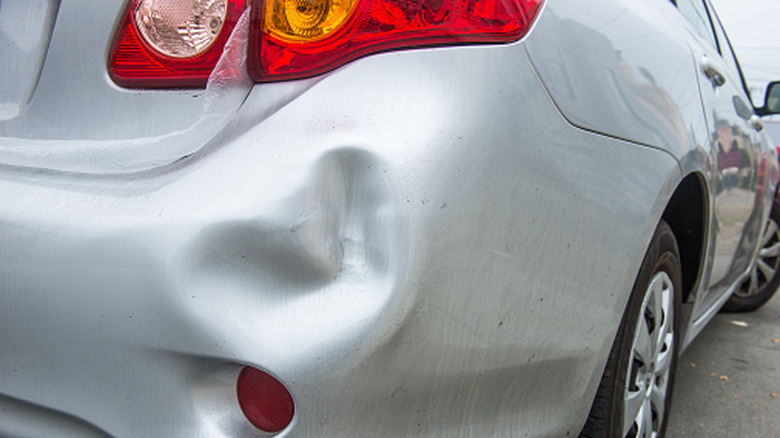
You know, there's something to be said for going down with the ship. There comes a point when a car has already done most of the financial damage it's going to do. If you've owned it through the ugly part of the depreciation curve, selling just because its resale value looks disappointing can amount to locking in the loss and volunteering to start the process all over again with something newer. That doesn't mean that whatever you're driving now needs to be your forever car, but maybe you can hold on until some more cooperative car math kicks in.
The good news is that depreciation generally gets less vicious with age. It typically slows around the five-year mark and can become minimal once a vehicle reaches roughly 10 years old. Once a used vehicle's decline begins to settle, there may be little reason to rush into trading an 8-to-10-year-old car unless reliability or warranty concerns start becoming louder variables. Repairs, maintenance, insurance, fuel costs, and your actual transportation needs still matter. But if the car is paid off, reliable, and still doing what you need it to do, its lousy resale value can become a reason to keep driving rather than a reason to bail out. Once depreciation has already taken its pound of flesh, you don't necessarily gain anything by handing it a fresh victim.
Maintain the car, and keep the paperwork
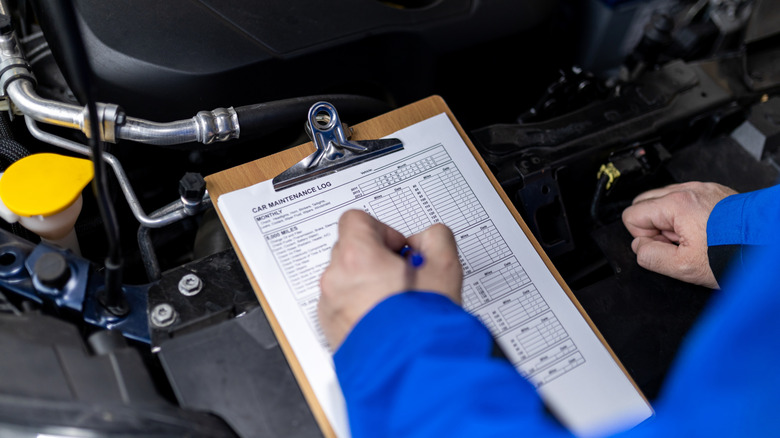
If you're trying to preserve resale value, keeping up with routine maintenance is the rare bit of financial advice that has the added benefit of preventing your car from turning into a rolling collection of deferred problems. When someone is evaluating your for-sale listing, age and mileage won't tell the whole story, so helping to make the case that you've kept up with the boring stuff can put a little muscle behind your "I know what I've got" seller's posture. Oil changes, fluid services, tires, brakes, and other scheduled work are part of the cost of ownership anyway, so neglecting them just creates a second bill later in the form of lower value, more expensive repairs, or both.
The paperwork matters almost as much as the work itself. CARFAX includes service history when calculating a vehicle's History-Based Value, which tells you pretty clearly that documented maintenance is part of what buyers are paying attention to. If you're selling privately, receipts and service records also give you something more persuasive than a pinky promise when someone asks how well you've maintained it. Digital records, invoices, dealer histories, and maintenance-tracking apps can all help create a usable paper trail. CARFAX's own free Car Care service, for example, tracks service history and completed maintenance. Do the maintenance the car needs, and make sure you can prove that you did it. You're already spending the money, so you might as well get credit for it on the way out.
Protect the parts of the car buyers can immediately see
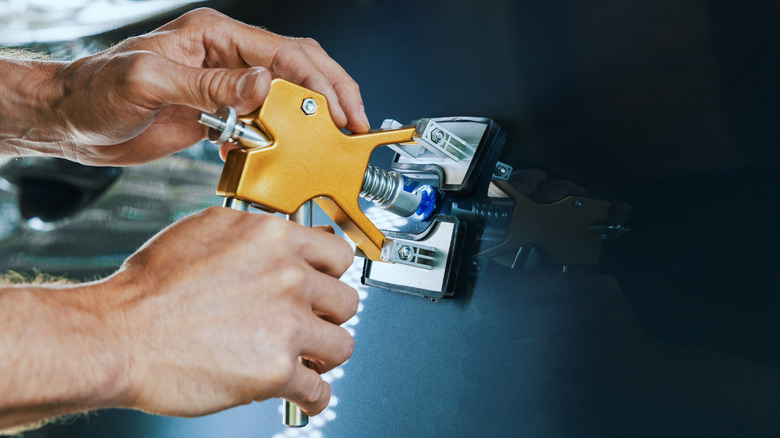
Even if you plan to ignore everything we just said about dutiful maintenance, at least spare some concern for the stuff a dealer will nitpick or a private buyer will squint at online when preparing their offers. Your immaculate oil-change schedule isn't immediately visible, but door dings, cloudy headlights, or a mystery stain on the passenger seat very well might be. And that scratch you stopped noticing three years ago like you're ignoring a podcast ad? It'll jump right out at a prospective buyer.
Condition is one of the variables that helps determine what a used vehicle is worth, and visible scratches, dents, rust, and other body damage are among the first things shoppers inspect. The cheapest strategy is not trying to erase years of neglect the weekend before you list the car. Regular washing, cleaning up spills before they set, vacuuming the interior, and dealing with small cosmetic problems as they happen can preserve what buyers will eventually see. Waiting until sale time to deep-clean a car can leave stains and accumulated dirt that are no longer removable, so this is one area where procrastination really can cost you.
You don't need to become the person who parks diagonally across four spaces because someone may breathe near the clear coat. Cars are meant to be used. But cheap prevention beats expensive restoration. Floor mats, seat protection when you're hauling something filthy, promptly cleaning spills and bird droppings, and keeping the cabin clean all help preserve the condition buyers will eventually judge. When resale time comes, you want them calculating an offer that doesn't include an unspoken body-shop and detailing allowance.
Avoid modifications that narrow the buyer pool
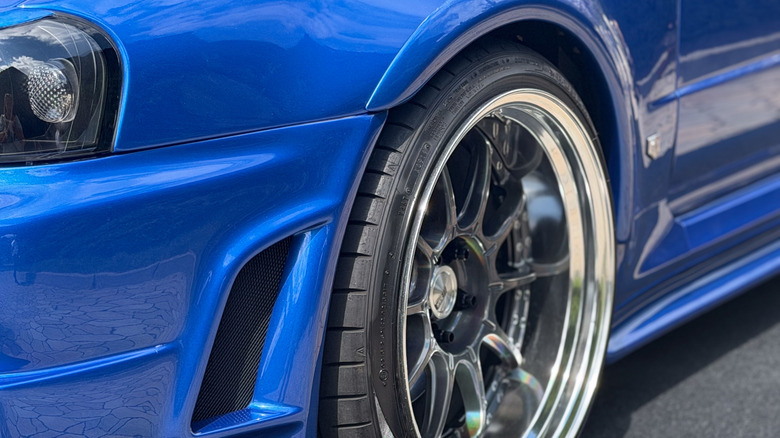
Personalizing a car is part of the fun, but resale is the moment when your presumably excellent taste has to survive contact with everyone else's. A set of wheels, suspension drop, loud exhaust, giant wing, wrap, or other aftermarket flourish may make the car feel more like yours while simultaneously making it less appealing to the person who eventually has to become its next owner.
That matters because the market for modified cars can shrink pretty quickly. Aftermarket modifications can reduce trade-in value because dealers may need to return a vehicle to stock before reselling it, while visually conspicuous changes such as custom paint, wraps, exhausts, and altered suspensions can narrow the pool of potential buyers. Even modifications that cost real money don't necessarily add predictable resale value, since aftermarket parts vary so much in quality and appeal that valuation guides often can't assign them a reliable premium.
None of that demands that your car remain hermetically sealed in factory specification for the sake of some hypothetical future owner. If you're keeping it for years and a modification makes you happier every time you drive it, that may be money well spent. But if resale value is part of the calculation, reversible modifications are your friend. Keep the factory wheels, suspension pieces, trim, and whatever else you replace when practical. The more easily you can return the car to something resembling stock, the less likely your personal vision becomes somebody else's negotiating leverage. And if you're going to indulge in your own personal guilty pleasure car mod, maybe make it one the next owner never has to know about.
Fix only the problems that will pay you back

There's a point where "getting the car ready to sell" crosses a line into "restoring it for someone else." You don't need to hand the next owner a mechanically and cosmetically perfect machine just because you're about to part ways. The smarter move is figuring out which problems are actually likely to cost you more in the sale than they would cost to fix.
That starts with knowing what the car is worth as-is and what a repair would cost. A buyer who spots a problem is going to mentally subtract for it anyway, and outfits like Consumer Reports explicitly tell them to do just that. Since it theoretically comes out in the wash either way, a lot of what's going on is psychological, so just make sure that you're not psychologically bullying yourself into dumping money into a car that's not going to come back to you on the other side of the transaction. The same logic applies to cosmetic damage. A relatively inexpensive dent repair, headlight restoration, or replacement trim piece may help if it removes something buyers will immediately use against you. Spending thousands to erase every scrape on an older car probably won't. Unrepaired damage can reduce a vehicle's value, but how much depends on the age, condition, and severity of the problem.
In other words, don't confuse making the car easier to sell with making it perfect. Fix the obvious stuff when the math works and avoid hacked-together car repairs that are going to freak buyers out. Disclose what's wrong, price accordingly, and let the next owner decide how badly they need that parking-lot scar gone — there's a good chance they'll learn to live with it just like you did.
Shop your car around before accepting an offer

The value guides are useful, but the number that matters is what somebody is actually willing to hand you for the car. Fortunately, finding that out no longer requires spending an entire Saturday driving from dealership to dealership and hearing salespeople explain why "Blue Book" pricing doesn't seem to apply to whatever you drove there. Online buyers, local dealers, the dealership handling your next car, and private-party shoppers can all put different numbers on the same vehicle.
The easiest place to start is with the low-effort offers. You can get free online offers from retailers and sales brokers before heading to a dealership, because a real quote gives you something concrete to negotiate against and serves as a reality check for what you might have felt the vehicle was worth based on, you know ... vibes. From there, you can decide whether it's worth checking local dealers or testing the private market. Remember that selling the car privately is likely to net you the most money, but that process can also be awful and make you lose faith in your fellow human, so it's your call whether that's worth it.
There's very little reason to accept the first number somebody throws at you. Different buyers may value the same car differently based on their inventory, local demand, reconditioning costs, or what they think they can resell it for. Getting several quotes and using the best one as leverage costs relatively little beyond some time and information entry. If low resale value has already taken a bite out of your car, there's no reason to volunteer another chunk just because the first offer looked official and would let you move on with your life ASAP.
Only shop heavily depreciated luxury cars when the ownership costs make sense
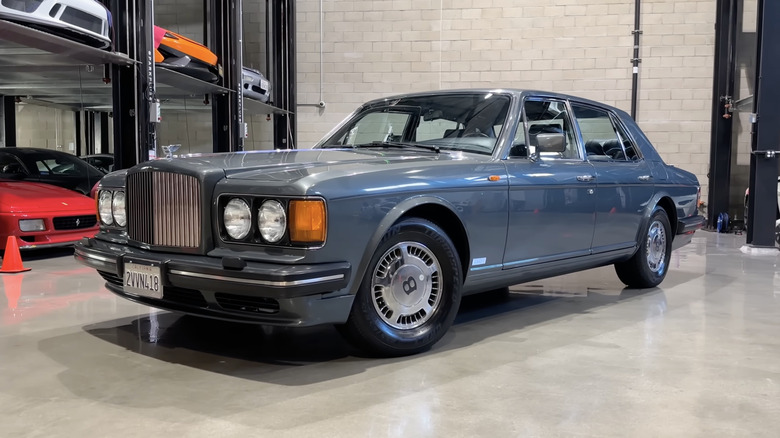
This is where depreciation gets fun, but it's also where it can lead you into the financial equivalent of buying a mansion because the foreclosure price looked reasonable. Luxury cars are disproportionately represented among the vehicles that lose value fastest. In a 2026 analysis from iSeeCars, 18 luxury models appeared among the 25 vehicles with the highest five-year depreciation, with examples like the Infiniti QX80 losing 62.8% of its original value over five years. The rest are mostly EVs, if you're wondering. That kind of collapse can put some formerly expensive machinery into price ranges occupied by much more ordinary new cars.
The catch is that depreciation only reduces the price of admission. It does not magically turn a complicated luxury car into a cheap car to own. Luxury vehicles can carry higher maintenance and repair costs than similarly sized mainstream models once the warranty is gone, and service rates, insurance, fuel, and out-of-warranty repairs can all keep behaving like the car still remembers what it cost new. It isn't mandatory that you run away screaming from every 5-year-old Mercedes or Range Rover. It just means the discount only counts if you've researched the specific model, understand its likely expenses, and still like the math after adding them back in.
That's really the lesson behind this whole exercise. Low resale value is not automatically good or bad. It's a number you can sometimes protect yourself from and sometimes exploit. Buy carefully, maintain what you own, know what it's actually worth, and remember that depreciation is only painful when you're standing on the wrong side of it. Now, if only your next favorite new-to-you ride would hurry up and depreciate faster.