

What Are Your Rights If You Unknowingly Buy An Unsafe Car?
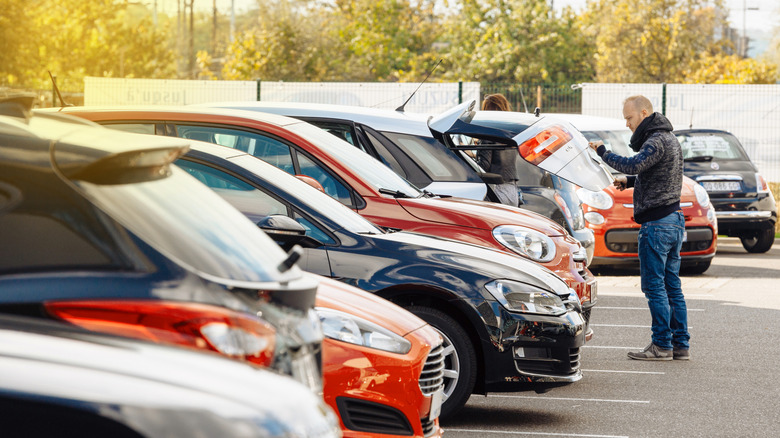
We've shared some great advice on buying a new car in the past, but it is something many people still get a little nervous about, and rightfully so. It's typically quite an expensive purchase, and one that's important to get right. Once buyers have narrowed down what type of vehicle they want, how much they have to spend, decided whether they wish to buy privately or through a dealer, and navigated their way through a test-drive, it's just a matter of inspecting and paying for the vehicle.
But the stresses don't always end there. Even after you've done your due diligence and purchased the car, it may become apparent in the coming days — or when having service work done further down the line — that there is something unsafe about the car. As this piece will explore, a vehicle can be unsafe for a multitude of reasons, and depending on the exact circumstances, the buyer's rights and therefore the proper reasonable next steps will differ.
To find the right answers, we contacted Doug Burnetti, a transportation injury attorney and founder of Burnetti P.A. in Tampa, Florida, with a series of questions to determine exactly where buyers of unsafe cars stand from a legal perspective. Thanks to Burnetti's input, this article will cover everything from defining what "unsafe" actually means, through to the first steps, your rights to a refund, and who's liable following accidents and/or injuries. This article covers general information and should not be taken as legal advice. If you're facing a potential claim or dispute, always contact a licensed attorney in your jurisdiction.
Defining an unsafe car
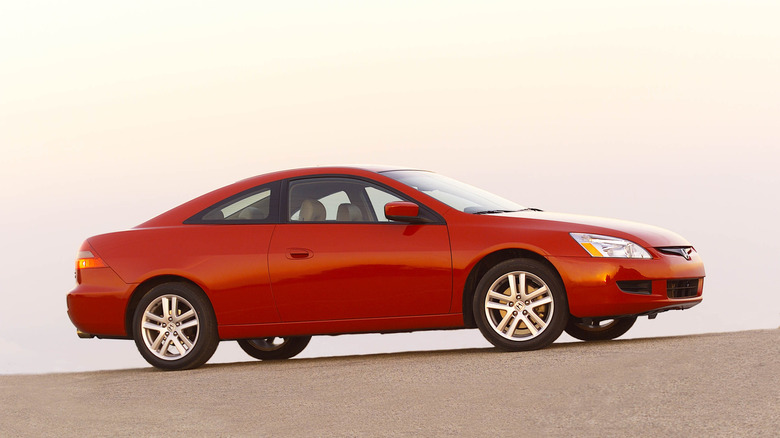
While we can likely all agree that a car with cut brakes and an active fuel leak is certainly unsafe, defining the term can certainly be a little subjective. To demonstrate that point, the Sun Journal once took the same 2003 Honda Accord to 20 different independent mechanics for a motor vehicle inspection to obtain a valid state inspection sticker. Of the 20, four mechanics passed the car and 16 failed it, with the required fixes ranging from just a single bald tire through to a $500 must-fix list. So, with the lines between safe and unsafe clearly being blurred even in the eyes of professionals, this suggests the case would be just the same in legal circumstances as well.
Doug Burnetti informs us that "an unsafe car is generally one that presents an unreasonable risk when it's used in a reasonably foreseeable way. That could be because it's in poor mechanical condition, it contains a design or manufacturing defect, or because a bad repair created a new hazard. Worn-out brakes, a defective steering component, and an improperly installed wheel are different problems, but each can make a vehicle unsafe." In other words, the case for an unsafe condition could vary from a simple recall due to a manufacturer issue, through to a failing wear-and-tear item or a poor repair.
Unsafe cars come in many different guises

That's not where the conversation surrounding unsafe cars ends, though, as there are cars that are considered by many to actually be unsafe from the factory. For example, in The Grand Tour's French special, the trio that is Clarkson, Hammond and May sampled a 1921 Leyat Helica, a century-old car (if you could call it that) propelled along by just that — a propeller. It sat at the very front of the vehicle, powered by an 18-horsepower V-twin engine, and there was very little protecting folk from losing limbs due to contact with the propeller. But we needn't go back 100 years just to find cars that were deemed unsafe in their factory form.
The Porsche Carrera GT is a fine example. It's considered notoriously difficult to drive, with such characteristics linked to numerous fatal crashes. Could these drivers have claimed to have been sold an unsafe car due to how tricky it can be to control? The answer is no, as Burnetti cleared up for us:
"There's a difference between a car being dangerous because something is wrong with it and a car being difficult to drive because of its performance characteristics. If the car performs as designed and its characteristics are known and adequately disclosed, the driver is generally expected to understand what he or she is getting behind the wheel of. That changes if there's a hidden mechanical problem or a defect that makes the car behave differently than a buyer should expect. A seller can't conceal serious problems and then argue the buyer should've known the car was dangerous."
Exploring your rights when a failure leads to injury
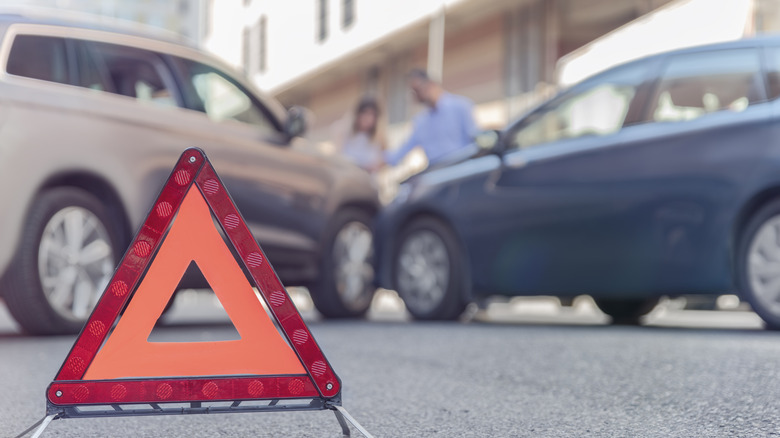
With the basics covered, we can now address what rights buyers have when an unsafe car actually results in an accident and injury to themselves. There isn't a clear-cut answer to who's liable and what their rights are here, and as Burnetti explains, it all depends on the exact circumstances.
"It depends on what failed and why. If a component was defective, the manufacturer may be responsible. If a repair shop installed something incorrectly or missed an obvious safety issue, the shop's on the hook. A dealer or previous owner could also be liable if they knew about a dangerous condition and failed to disclose it. These cases usually come down to the vehicle's history and the physical evidence. You want to preserve the car before anyone repairs, alters, or disposes of it, because an inspection may be the only way to determine whether the failure began at the factory, during a repair, or while the previous owner had it."
So the buyer's rights will depend upon whose fault the failure is, and how well that can be proven. If a manufacturer defect caused the incident, the manufacturer could well be at fault, but it's also worth noting that if it issued a recall that the buyer deliberately ignored, then any due payouts could be reduced as a result of negligence. Having to prove who exactly is at fault goes to show just how important it is to keep a comprehensive record of any and all paperwork that relates to the vehicle and any accidents it may have been in. Such paperwork could prove invaluable in such a situation.
What to do when you discover something unsafe about your vehicle
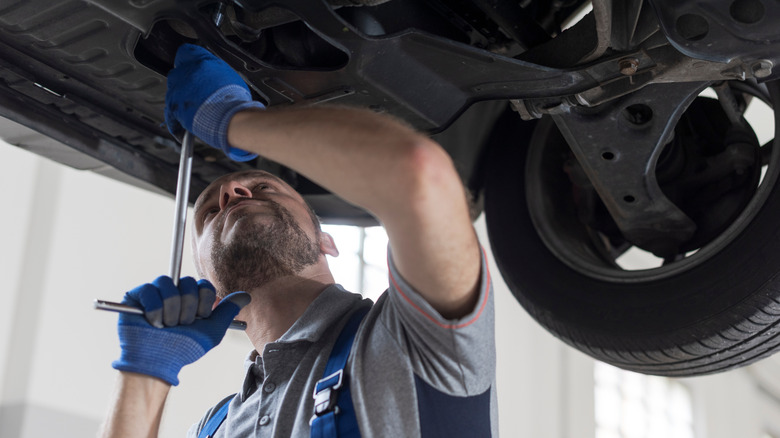
With any luck, most drivers will realize something on their vehicle is unsafe before it actually leads to an accident or injury. The correct answer on what to do here depends on exactly what you find, but the most important thing is not to turn a blind eye. Doug Burnetti explains that the wisest action to take is to "Have an independent qualified mechanic document the condition, take photographs, save every invoice, and check the VIN for open recalls. Then notify the seller in writing and, if it appears to be a manufacturing defect, contact the manufacturer as well. You don't necessarily need to call a lawyer before speaking to the seller, but I'd certainly speak to one before surrendering the vehicle or signing anything."
If the defect is clearly something that's happened at a recent mechanic visit, such as a problematic fluid leak after a recent brakes or engine service, for example, then buyers should document it and get in touch with the mechanic immediately. The same goes if the car is a recent purchase, but instead of a mechanic, it'll be the dealer that needs a call. They might (hopefully) just take the car back in, address the issue free of charge, and send the owner back on their way, side-stepping any complex legal involvement. If there is friction from the other party, perhaps that's the time to escalate things further. As for a defect that may be inherent to the car's design, buyers should check if the car has an outstanding recall related to the issue, and then reach out to the dealer to book it in. If no recall can be found, then still speaking to the manufacturer, as Burnetti suggests, is a wise approach.
Exploring your rights to a refund

Let's assume something is unsafe about the vehicle; it's been well-documented with an inspection and photographs, and now the buyer would like to pursue a refund after the return window has closed. Just because a defect has been proven, the buyer is not necessarily due any financial compensation. As Burnetti explains, "An unsafe condition doesn't automatically create a right to a refund. The answer depends on whether the vehicle was sold with a warranty or 'as is,' whether the seller made any representations about its condition, and whether the problem existed at the time of sale. State law matters a great deal here, and lemon laws often provide much more protection for new vehicles than ordinary used-car purchases." He adds that, "a return deadline also doesn't necessarily protect a seller who committed fraud or knowingly concealed a serious defect. If the seller knew the brakes were failing, covered it up and sold the vehicle as safe, that's very different from a problem neither side could reasonably have known about."
So while buying a certified pre-owned car might save buyers money, it could also result in less protection from a legal perspective, and that's doubly true if the car is sold without a warranty. However, if it could be proven that the dealer attempted to cover a known issue up, as opposed to a surprise issue rearing its head, then it's quite likely the buyer will be able to get a refund under consumer protection, lemon, and fraud and misrepresentation laws.
You could be liable for an accident if you lend your unsafe car to someone else
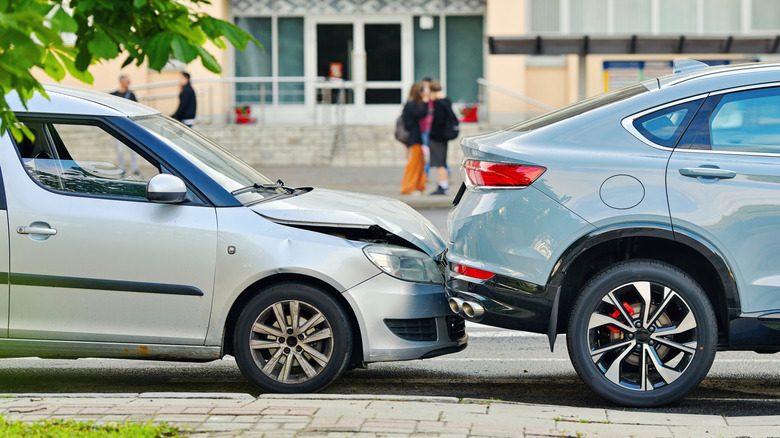
Most might assume that the owner of a vehicle can't be liable for an accident if someone else was driving their car, but Burnetti explains how that's not always the case. "You could be, particularly if you gave that person permission to drive. The rules differ by state. Here in Florida, liability is imposed on vehicle owners when a permissive driver causes a crash, even though the owner wasn't in the car. There may also be a separate negligence claim if the owner knew, or reasonably should have known, that the car wasn't safe to lend."
It seems logical that if a fault is known and not addressed before lending the car, and it results in an accident, the owner has to be wrapped up in the conversation of legal responsibility under negligent entrustment laws. However, if a fault is present that the owner did not know about, repercussions could still be coming their way. Burnetti tells us that, "Not knowing about the defect is important, but it doesn't necessarily end the inquiry. The other driver's conduct, the mechanical failure, the owner's maintenance of the car, and any responsibility of a repair shop or manufacturer can all be considered. More than one party may ultimately share fault."
In other words, if the driver was using their phone while speeding on the freeway at the time of the accident, the blame will likely be pinned on them. However, if a mechanical failure occurred and the owner had neglected maintenance for a number of years prior, they could well end up being liable, despite having no specific knowledge of the pending failure.