

What To Know About Daily Driving A Car From The '70s
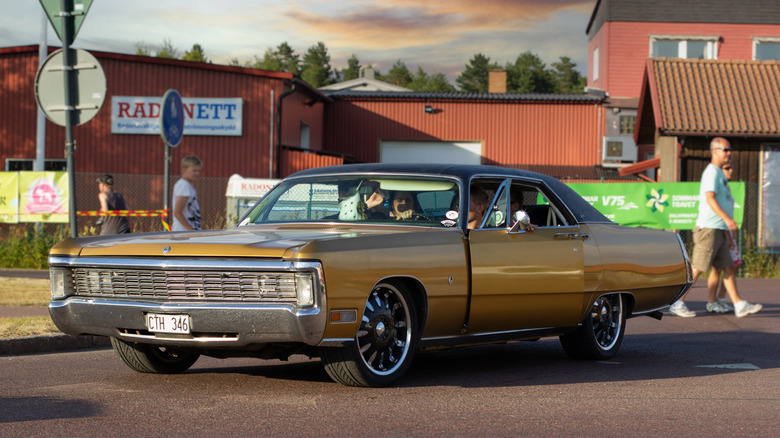
Driving a car that was new and modern in the 1970s can be quite the culture shock 50 years on. And while taking a classic car for a drive every once in a while on bright Sunday mornings might turn the trip into an occasion, driving one every day through cold, wet commutes is a very different proposition. With daily use, a '70s car stops being a novelty and instead just becomes a car; You learn all its quirks, how to operate it around any shortcomings, and develop trust in it.
Over the years, I've daily driven numerous '70s cars, from early Ford models through to a smattering of Triumph and MG models, and more than my fair share of old-school Minis. I've suffered breakdowns, miserable British winters, uncomfortably long road trips, and even accidents. Using that experience, I'm here to remove the rose-tinted glasses and tell you exactly what relying on a 50-year-old classic daily is really like by covering costs, reliability, safety, technology, and performance.
The positive reality of daily driving a '70s car
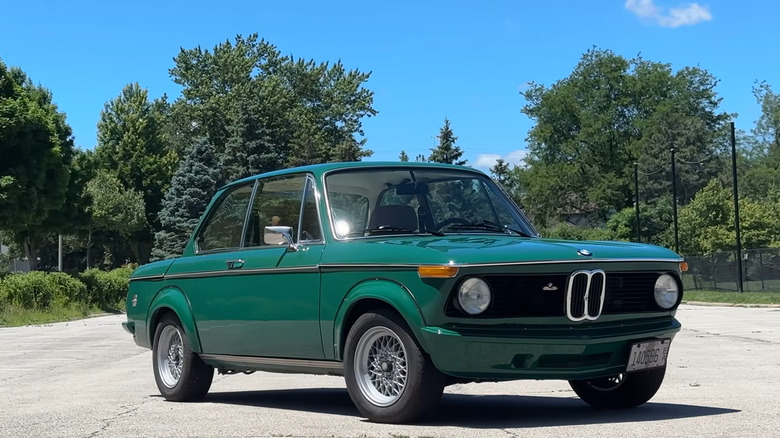
Starting with the positives, daily driving a '70s car — for the most part — is actually very much like driving any other car. There's a tire in each corner, a big wheel in front of the driver, and a selection of pedals, controls, and levers that help you negotiate the roads with confidence. It may be half a century old, but operating one is essentially just like driving a far more modern piece of machinery. And despite never owning a '70s car with over 100 horsepower (the majority have actually sat closer to half that figure), I've never experienced an issue with keeping up with modern traffic, both during local morning commutes and on highway drives.
My first-generation Ford Fiesta would happily sit at 75 to 80 mph on my highway commute, and as for the number of 1.3-liter Triumph models that have slipped in and out of my possession over the years, they were just as capable at speed. Older cars, from the '50s or '60s, say, can struggle in this regard, so '70s classics really do represent a sweet spot in merging capable performance with charming nostalgia.
Progress does take a little more planning, though, such as merging into traffic at speed, and the same goes for braking. Definitely keep a safe distance between you and the next car, because '70s brakes won't be able to match the ABS-adorned units of the car in front of you. So while these cars are capable of modern speeds, you want to keep your space on the road and maintain a more modest speed rather than rushing. In return, an overwhelming feeling of relaxation builds behind the wheel, and that's possibly the most positive aspect of daily driving an older vehicle.
Driving a '70s car is not all doom and gloom, but some of it is
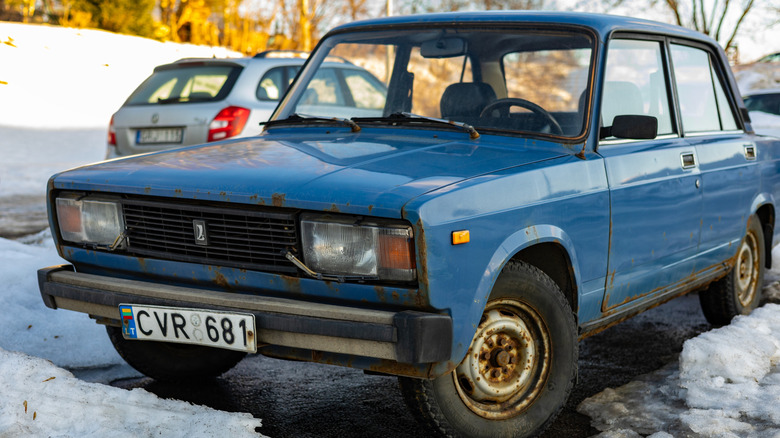
While '70s cars are fast enough for the highway and encourage drivers to embrace a more relaxed position behind the wheel, there are, of course, negatives. In my experience, it's bad weather that normally casts a dull shadow over the reality of driving older cars. Winter is always the enemy; there is little else worse than grasping an iced-over chrome handle, sitting on a vinyl-wrapped seat that's been frozen stiff, and then gripping a seemingly refrigerated bakelite steering wheel. It'll test your strength of character in the mornings for sure, so try and let the car warm up for five minutes before setting off, and invest in a good set of gloves and a warm hat.
And then there's the rain. Wiper systems from the '70s can be quite inadequate in heavy downpour, so a good rain-repellent coating for the windshield is a real lifesaver. Perished seals and failed door membranes will soon expose themselves in poor weather, not only soaking you in the process, but drenching the carpets too. That in turn soaks your shoes, and your car will smell of damp until you remove, clean, and dry the carpets. I removed the carpets in an old Triumph once and let the water drain through holes in the floor while waiting for a new door-membrane to arrive.
The core takeaway here is that preparation is the key factor that decides how miserable you'll be in your 50-year-old classic when bad weather hits, so don't wait for winter to arrive before you start weather-proofing. Year-round-comfort is definitely an area where modern cars outshine '70s classics the most for daily-driving duties. They can be started remotely, with heated interior components ready and waiting.
The poor reliability of '70s cars is blown out of proportion
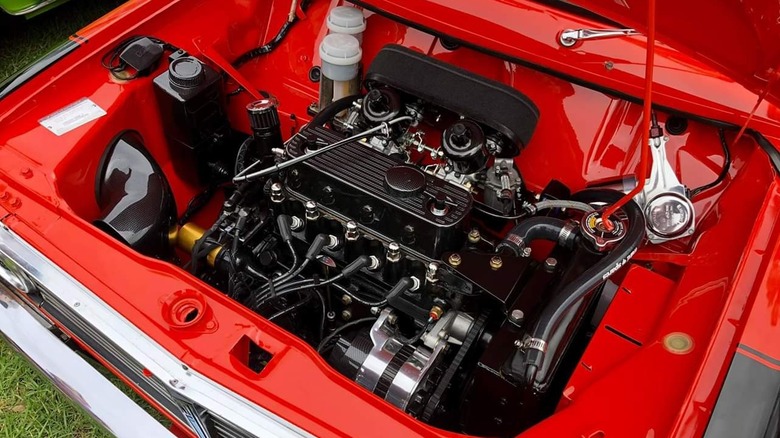
Probably the biggest hurdle that stops people from jumping into '70s car ownership is the question of reliability. Compared to older classics from the '50s and '60s, cars in the '70s generally began benefiting from technological advances such as reliable electronic ignition in addition to using proven power plants. And while breakdowns can and do occur, the mechanical simplicity of your average '70s car, in my experience, means repairs are often quick and easy. Compare that to the reality of diagnosing and repairing a sensor-crazed modern car littered with emission devices, and picking a reliable '70s car with a solid owner and service history starts to look like the less stressful choice.
Of course, not all cars are built equal, and that's true of '70s cars also, so buyers should do their research when seeking out a reliable daily. For example, while the Chevrolet Vega and Dodge Aspen might look like affordable runarounds, the former's aluminum engine block frequently warped, leading to coolant issues, while the latter was subject to heaps of recalls.
Instead, it might be worth prioritizing a simple Beetle or Mini which are easily serviced and repaired by DIYers, or something like a 300-cubic-inch inline-6 Ford pickup, as the engine has proven itself capable of six-figure mileage many times over. Regardless of the starting point, owners should learn essential basic car maintenance skills, carry a kit, have a specialist give their car the once-over at least annually, and investigate any curious sights, sounds, or smells as they occur, and they will be setting themselves up well for a surprise-free '70s car ownership.
Safety and technology in '70s cars
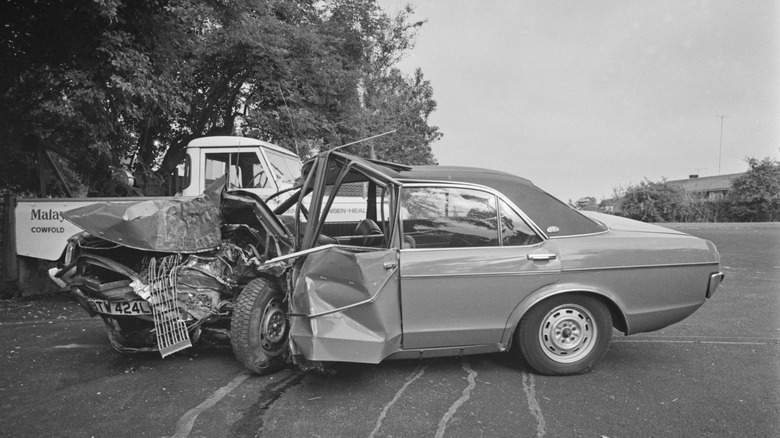
Here is where a classic car inescapably falls short in comparison to a modern vehicle. Technology can be worked around, but safety not so much, so let's start there. In the 1970s, true driver aids were largely non-existent. Owners of classic cars today have to make the best of what they have. Fit high-quality tires to ensure you can stop and steer reliably in all conditions, have your brakes checked and refreshed if necessary, and thoroughly inspect the frame for rust, too. Cars of this era are more than capable of surviving low-speed impacts still, but owners need to keep a very close eye on rust, as a compromised frame won't perform as it should in the event of a bump. It's also worth remembering that, while not pretty for the most part, the 5-mph federal safety bumpers introduced in 1973 at least improved safety for those in low-speed impacts.
Technological advancements during the era did help to make '70s cars more daily-friendly, though. Solid-state electronics provided more accurate and reliable ignition systems, while disc brakes provided more reliable braking, especially on cars with early ABS systems installed, in place of the fade-heavy drum brakes. It's mostly convenience features that '70s cars miss out on, such as powered-this and heated-that. But AM/FM radios with 8-track compatibility, optional air-con systems, and effective heaters were all fairly widespread features during the decade, and that keeps them somewhat approachable for most nostalgia-hunting drivers, even today.
The costs involved with classic motoring
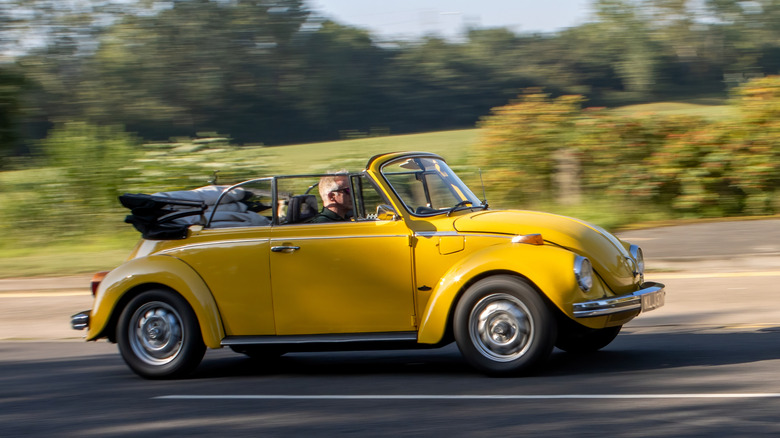
The last thing anyone needs to know about driving a car from the '70s is that there is no reason for it to break the bank. Of course, some classics of the era command huge sums, but there are plenty of budget-friendly cars from the golden era of American muscle and the disco era, too. $10,000 to $15,000 is more than enough to secure any number of '70s daily drivers, from old Fords through to bulletproof classic Mercedes-Benz and Volvo models and even Italian sports cars. At the cheapest end, expect fairly basic commuter-spec classics like a simple Beetle, or a humble Ford Pinto. Performance and features will be limited here, but stretch the budget to between $20,000 and $30,000, and the options get much more enticing. Such a figure could net you a very fine example of Lincoln's luxurious Continental IV, or perhaps a late second-generation Pontiac Trans Am, if sporting credentials is more your thing.
Parts are also generally cheap, as long as you pick a car that isn't too rare and expensive. And, depending on the model you choose, fuel efficiency doesn't have to be a problem, either. Sure, buy a big-block muscle car and it's a different story, but more modest choices return respectable enough figures. Oh, and while everyone else on the road is suffering from the effects of depreciation on their fancy new dailies, that's something you can put to the back of your mind if you own a '70s car. In fact, for the most part, I've sold my classics for more than what I originally paid.