

Flock Cameras In This California Town Are Only Getting License Plates Right 29% Of The Time
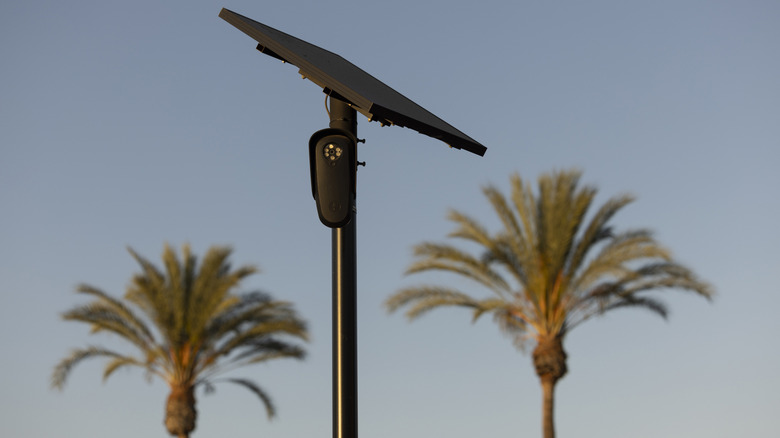
When law enforcement's actions can have such a massive effect on people's lives, automatic license plate reader technology had better have a high accuracy rate. At various times, Flock has claimed its system is anywhere from 93% to 99% accurate. The town of Roseville, California, has had a somewhat different experience, reports Business Insider. An analysis of Flock alerts from 2023 and 2024 showed that only 29% of these alerts scanned license plates correctly. If that wasn't bad enough, it also failed to scan and alert police about wanted vehicles linked to genuine crimes. You know, the entire reason why police want these mass surveillance machines in the first place.
To its credit, the Roseville Police Department requires officers to verify that the license plate on the vehicle actually matches the alert before taking any action on it. The State of California does not, but Kentucky, New Hampshire, Montana, Oregon, Virginia, and Washington all have laws requiring verification of ALPR data before initiating a traffic stop, according to the NYU School of Law Policing Project. This step of actually looking at a license plate and making sure it matches the alert on the screen should be mandatory across the board to prevent inconvenient and frightening mistakes. Otherwise, it's just a matter of time before someone gets killed over what should be a simple data error.
This verification is why Roseville police have not pulled anyone over based solely on a false ALPR scan. It's also how they know that Flock cameras keep reading one particular resident's license plate incorrectly over and over, always mistaking an 8 for a 9, and generating a false alert for a stolen car or a vehicle involved in committing a felony. At this point, officers know to ignore alerts for this particular plate. But memorizing false alerts from an automated system that's supposed to help catch dangerous criminals, while failing to detect genuinely wanted vehicles, completely defeats its purpose. Also, what happens if this car is later stolen and becomes a genuinely wanted vehicle?
Plucking Flock's claims
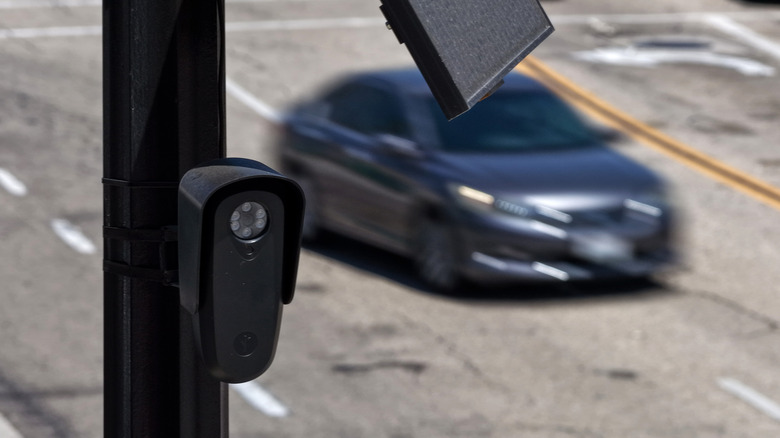
Flock told Business Insider that Roseville has some extenuating circumstances leading to its abnormally high error rate:
A factor that contributed to the misread problems in Roseville was the "particularly unique deployment" that the city requested, a Flock spokeswoman said. Roseville said it has its cameras configured so that they capture only the backs of vehicles, a setup intended to avoid capturing personally identifiable information like faces. Roseville's setup included older hardware and placement of cameras higher and further from vehicles than the company typically recommends, Flock added.
Flock's explanation does make some valid points, but it doesn't entirely hold water, either, and it leaves me with a lot of questions. How could Flock comply with Roseville's request to only scan the backs of vehicles on a two-way street? Maybe the cameras are aimed so that only the direction of traffic moving away is visible on the edge of the image. Still, the software that scans license plates (plus other identifying markings) should work the same whether the plate is in the center of the image or on the edge. If part of the plate is cut off in the image, the system should recognize that, and either tag it accordingly or discard it as unusable.
Flock is also responsible for the installation and maintenance of its own equipment — something they should be addressing if cameras like the ones in Roseville have such a terrible accuracy rate. Some customers, such as Littleton, Massachusetts, even report that Flock has reactivated cameras after the town intentionally shut them off after public outcry, an outcome that's more likely if the cameras are so egregiously bad at performing their stated duties. If Roseville's cameras were older and not as good as more recent equipment, why would Flock not replace the cameras with newer ones to address the problem? This would also be a good time to move the new cameras to better locations to improve accuracy, in coordination with the town, of course.