

10 Essential Accessories Every Off-Roader Should Have
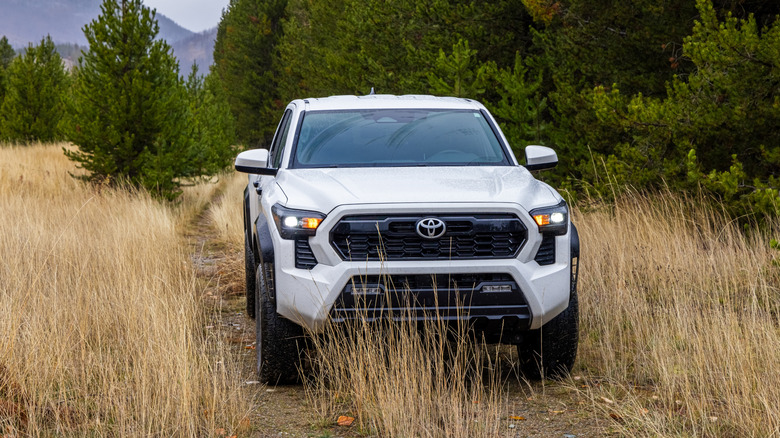
We can (and do) argue about the best off-roaders on the planet, but at the end of the day, you're probably as likely to get home safely because of a strategically chosen piece of emergency gear or an aftermarket accessory as you are because of the raw capabilities of your vehicle, no matter how much trail-rated street cred it carries in the forums.
Of course, some of those accessories are more likely to save the day than others. A rooftop tent, a heroic light bar and enough exterior storage to support a small military campaign may all look the part, but none of them will help much if you shred a tire or otherwise get stuck somewhere without a reliable way to call for help.
The most important accessories are usually less glamorous. They are the things that solve the problems you are most likely to encounter and keep a minor inconvenience from turning into a rescue operation. That means carrying equipment suited to your vehicle, the terrain you expect to cover, and the amount of time you may spend beyond easy assistance. Sure, that might leave your rig looking less impressive than something parked at the mall, but just as the chrome won't get you home, neither will that aftermarket snorkel. Probably.
Matching full-size spare tire
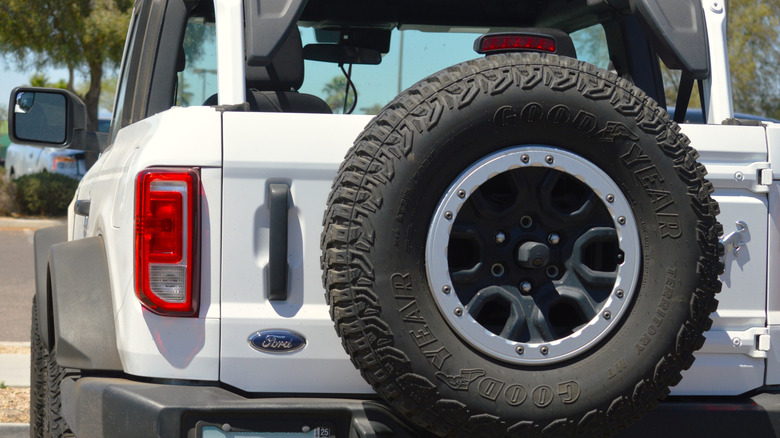
In a world where some new cars don't even include a spare anymore, we're only half certain that the full-size ones still clinging to the alleged off-roaders of the future won't eventually be replaced by a can of Fix-a-Flat and a handful of additional USB ports nobody asked for. Anyway, we're talking about a "matching" full-size spare here, and we're looking directly at every off-road enthusiast who has ever done the math on multiplying by four instead of five when pricing out those beefy aftermarket wheels and tires.
Even a mild upgrade can leave your stock spare smaller than the four tires in service, while a more heavily modified Jeep may need an aftermarket carrier or another storage arrangement to accommodate a matching fifth tire. The same issue can affect stock-ish crossovers and SUVs after moving to larger all-terrain tires, particularly when their original spare was already undersized. That matters because some trail damage is beyond the reach of a plug kit and compressor. A torn sidewall, bent wheel, or deeply cut tread may leave replacement as the only realistic option, and a matching spare avoids introducing a major difference in tire diameter when you are still miles from pavement.
Portable air compressor
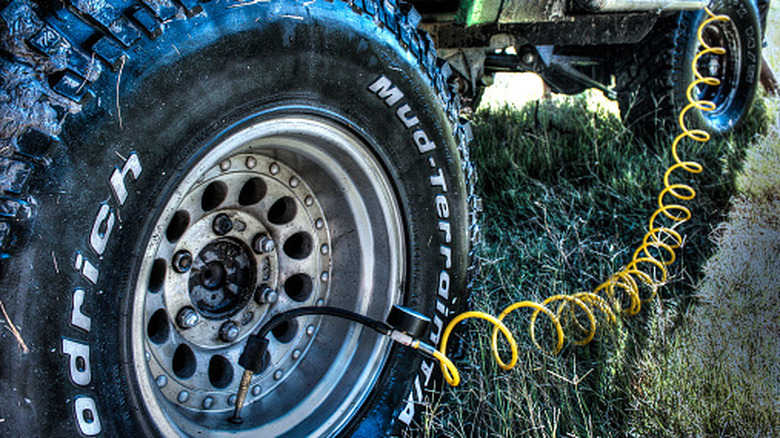
In addition to freeing you from the tyranny of gas station air pumps, a portable air compressor unlocks the ability to air down on the trail. Well, technically, it unlocks the ability to air back up afterward, but you get the idea. Lowering tire pressure increases the tire's contact area over loose or uneven ground, which can improve grip in sand, mud and rocky terrain. Those tires still need to be returned to an appropriate road pressure before the drive home, making a portable 12-volt compressor the thing that lets you handle both sides of that equation without depending on a gas station near the trailhead.
This is one accessory where buying something appropriately sized for the job matters. Compressors vary considerably in airflow, duty cycle and the maximum tire size they are designed to handle, so choose one rated for the tires on your vehicle rather than assuming any inflator with a 12-volt plug is up to the task.
An accurate pressure gauge and enough hose to reach every wheel also belong in the setup. A compressor makes a tire-plug kit considerably more useful because repairing a puncture still leaves you with a tire that needs to be reinflated. Portable compressors can be moved between vehicles, while onboard systems trade that flexibility for permanent, ready-to-use installation. Either approach beats discovering on the pavement that the tire pressure that helped off-road is now hurting handling and generating additional heat.
Tire repair kit
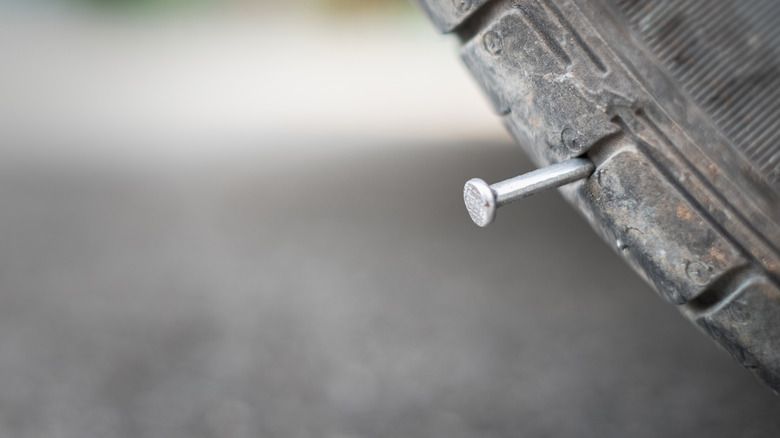
You can debate whether a tire plug is a safe long-term fix, but it can absolutely make the difference between getting you and your rig out of the woods or leaving you stranded. Your matching full-size spare is still the best answer when a tire is comprehensively ruined, but plenty of flats begin with something less catastrophic, like a nail or sharp piece of trail debris through the tread.
A compact kit with a reamer, insertion tool, and repair cords can seal many punctures in tubeless tires without removing the wheel, potentially letting you leave that full-size spare sitting proudly on the back of your tailgate, or stuffed disrespectfully beneath the rear floorboards. This is also where the portable compressor mentioned earlier becomes part of a system rather than an isolated gadget. Pulling out the offending object and plugging the hole is a hollow victory if the tire is still flatter than the jokes at an overlanding convention.
There are limits, though, and they are important. Industry guidance generally recommends removing the tire for inspection and using a combined patch and plug from the inside. It also limits repairable punctures to the tread area and to a maximum diameter of 1/4 inch; damage involving the shoulder or sidewall means the tire should be taken out of service. In other words, an external plug kit is trail-side emergency equipment, not permission to perform experimental surgery on every shredded tire you encounter. Carry sturdy tools, replacement cords, lubricant, pliers and spare valve components, then have the tire professionally inspected once you are safely back within reach of people who own lifts. And not the Jeep kind.
Recovery tracks
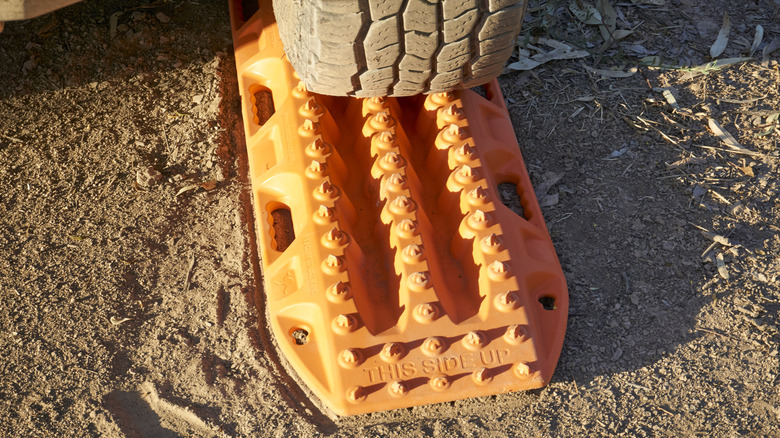
Between the rut-busting eagerness of locking diffs and the technological marvel that off-road traction control can be, sometimes what you really wish you had rattling around in the back of your off-roader is just a bit more grip. Impossible? Hardly!
Recovery tracks are long, heavily textured boards designed to give a stuck tire something firmer to grab than the sand, mud or snow it has already failed to conquer. They use raised cleats to engage both the tire tread and the ground beneath it, creating a temporary path the vehicle may be able to climb onto and follow back to firmer terrain. That makes them particularly useful for solo travel, since they can provide a basic form of self-recovery without another vehicle, a tow strap, or a conveniently located tree. They are also refreshingly simple. No motors, cables or elaborate rigging — just two brightly colored pieces of plastic.
Simple does not mean effortless, though. Proper use involves stopping before wheelspin digs the vehicle in farther, clearing material from around the tires and undercarriage, then wedging the boards firmly against the tires before applying gentle power. That is why a real shovel remains a valuable companion. The shovel-like edges found on some boards can help in a pinch, but Car and Driver testing has found that they are no substitute for a dedicated digging tool. Recovery tracks also have limits. They are best suited to traction problems on soft surfaces, not to serving as makeshift bridges or enduring repeated full-throttle wheelspin. Used properly, though, they can turn an embarrassing bog-down into a dirty afternoon rather than a very expensive phone call.
Recovery kit
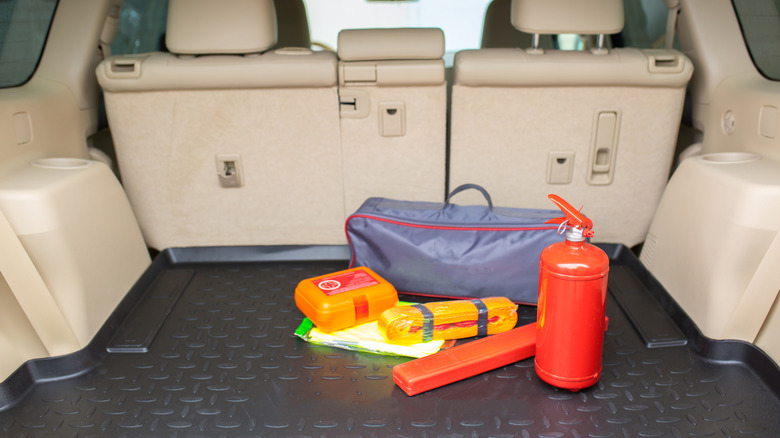
An off-road recovery kit is kind of like a regular car emergency kit if it were compiled by preppers with an affinity for tow straps. It's serious business, is what we're saying. It is also highly context-specific, and that is where a complete recovery kit earns its space. At minimum, a vehicle-assisted recovery setup should include a recovery strap, appropriately rated shackles, and gloves — all packed together somewhere you can reach without unloading half the vehicle first.
Preassembled kits commonly combine the same components in a dedicated storage bag, which is considerably better than discovering that your carefully selected strap cannot actually be connected to anything. Think of it as a first-aid kit for the truck, except every item is heavier and at least one bystander will confidently suggest using it incorrectly.
The word "rated" matters here. A recovery strap should be selected according to the gross mass of the lighter vehicle involved, rather than chosen through guesswork or because it was hanging near the checkout counter. The vehicle also needs engineered recovery points intended to withstand straight and angled pulls; a shipping tie-down or random suspension component is not transformed into one by optimism.
Kits intended to support winching may also include a tree protector, pulley block, and recovery damper, while a simpler strap-and-shackle setup may suit drivers traveling with another capable vehicle. Either way, learn how the rigging works before you need it. Getting stuck is inconvenient, but improvising with several tons of moving vehicle can make inconvenience feel like the good old days.
Offline navigation
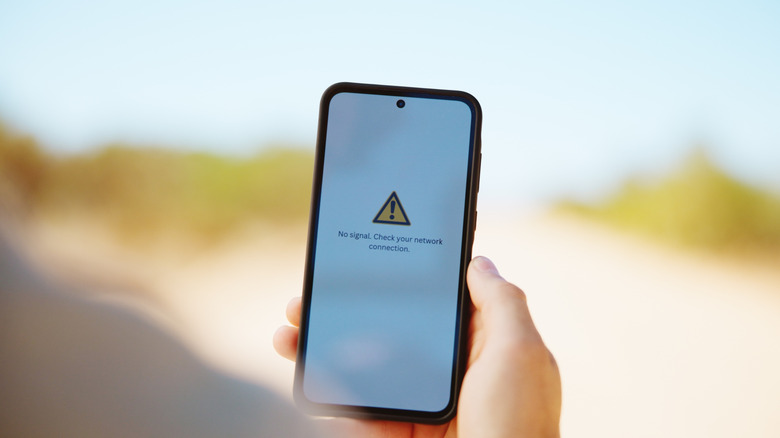
This one is less about getting to buy a cool piece of rugged new tech, sorry, and more about planning ahead a little bit. Chances are that your phone's GPS receiver can still determine your position without cellular service, but that doesn't mean your favorite mapping app will automatically have the local map waiting when the signal bars disappear.
The map data needs to be downloaded before the trip, ideally while you still have reliable Wi-Fi and enough time to notice that you saved everything except the area where you are actually going. A proper offline map can preserve trail descriptions, land-boundary information, saved routes and custom waypoints, turning the phone already in your pocket into a much more useful trail-navigation tool.
The essential part is planning ahead rather than trusting the route to remain cached by accident. An app cannot retrieve missing map tiles from the internet once you are out of range, which is why offline-map services typically instruct users to download the intended travel area before entering places without coverage. Save a wider area than the planned trail, mark the trailhead and any exit routes, and make sure someone else in the vehicle can operate the app. A paper map or separate GPS device is still sensible backup for longer trips, to say nothing of making you feel properly off-grid. There are indeed alternatives to Google Maps out there, after all.
Communication that works
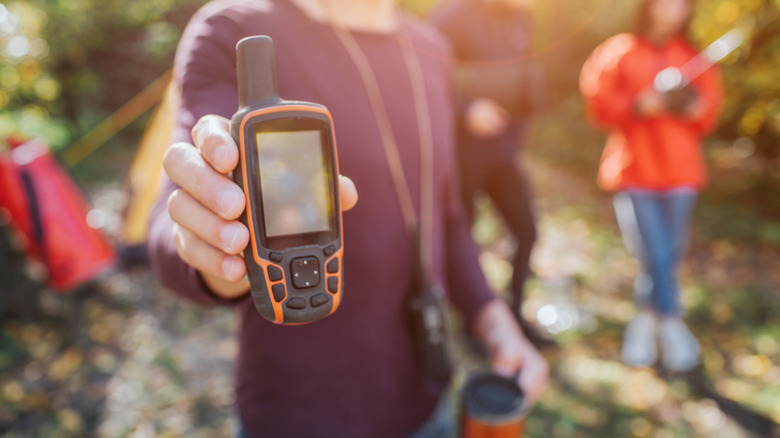
The right communication gear depends on where you are going and who you need to reach. A charged cell phone may be perfectly adequate for a local trail that stays within reliable coverage, while a two-way radio can keep drivers in separate vehicles connected without depending on a cellular network. That makes radios useful for coordinating a convoy, talking a driver through an obstacle, or warning everyone behind you that the innocent-looking mud hole has just swallowed a Wrangler.
Vehicle-mounted units can offer more power and a better antenna than basic handhelds, while portable radios are easier to move between vehicles. Just make sure everyone is using compatible equipment and understands the channel plan before the group starts scattering across the landscape. If a CB radio remains good enough for modern truckers, why not?
Well, a radio only helps when someone within range is listening. Trips beyond dependable cellular coverage may justify a satellite communicator capable of sending and receiving messages and triggering an interactive SOS. That provides a way to contact people outside the trail group, share your location, or explain that you are delayed without immediately summoning a rescue team. Satellite features generally require an active service plan, and anyone choosing GMRS equipment in the United States should know that operating it requires an FCC license.
The point is not that every off-roader needs every device. It is that the communication setup should still work in the place where you intend to use it, which is a surprisingly important feature for anything described as emergency equipment.
First-aid kit
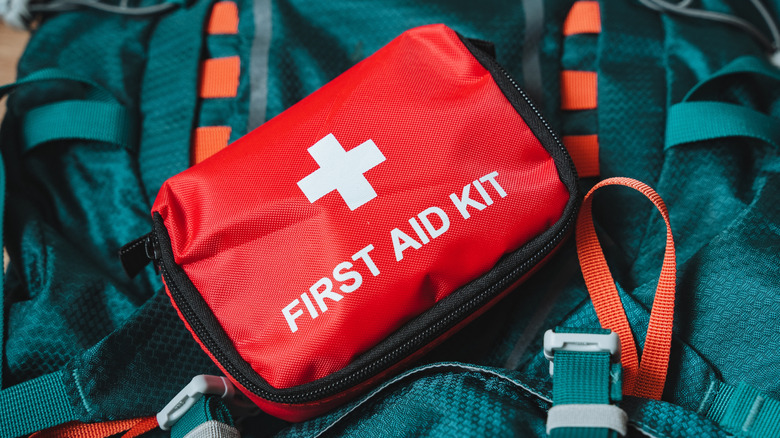
Jalopnik readers dutifully included a first-aid kit in their list of things to keep in the car at all times, and it turns out that doesn't stop being true when the pavement ends. While you could, of course, find yourself injured within the confines of civilization, help ranging from overpriced gas-station aspirin to an ambulance arriving with sirens blaring probably isn't far away.
For off-road travel, the kit should be sized for the number of people, length of the trip, and distance from professional help. At a minimum, it should include supplies for cuts, burns, bleeding, swelling, sprains, and strains, along with gloves, antiseptic, gauze, tape, scissors, tweezers and any personal medications your group may need. A purpose-built outdoor kit can also make those supplies easier to locate by organizing them into clearly labeled sections based on the type of injury, which beats dumping the entire contents into the dirt while someone nearby continues bleeding.
The kit should reflect the reality that off-road injuries may happen farther from immediate assistance than the average parking-lot scrape. The American Red Cross recommends keeping a kit in the vehicle and tailoring its contents to the activity and type of trip. A wilderness-oriented kit may add an emergency blanket, cold pack, triangular bandage, or more substantial wound-care supplies, but the most valuable upgrade is still basic first-aid knowledge. A perfectly stocked kit is much less reassuring when everyone in the convoy is standing around reading the instructions for the first time.
Durable water container
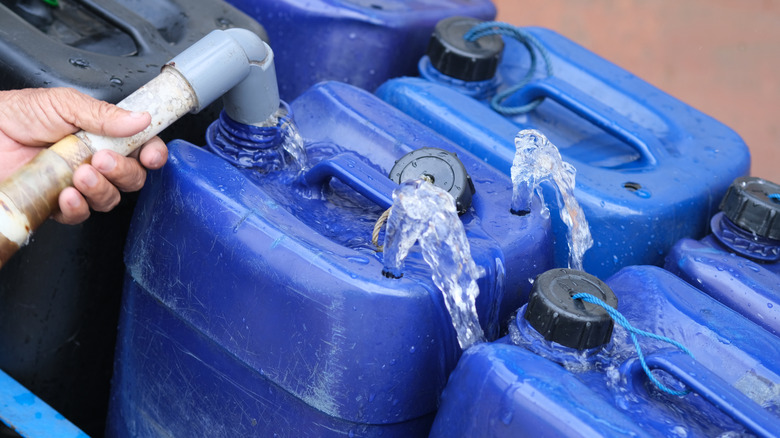
Water is heavy, and a dedicated container a better off-road companion than a loose case of disposable bottles waiting to burst, roll under the brake pedal, or generally clutter up your cargo area. Look for a durable, tightly closing container made specifically for drinking-water storage, with a shape and handle that remain manageable when full. Off-road-oriented designs may also use rotomolded construction and compatible mounting hardware, allowing the container to be secured rather than trusted to the ancient restraining power of "wedged behind a cooler."
How much water you need depends on the weather, number of passengers, length of the trip, and how long you might be stranded. As a general emergency-planning benchmark, the Centers for Disease Control and Prevention (CDC) recommends at least one gallon per person per day and more in hot conditions, though carrying that much quickly becomes a packaging and payload problem.
Since a gallon of water weighs just over 8 pounds, a two-gallon reserve adds more than 16 pounds before you count the container itself. Make sure any mount is suited to the load and that the water remains accessible after the vehicle is packed. The container should also be cleaned, sanitized, and reserved for potable water rather than repurposed from fuel or chemicals. You may never need the emergency reserve, but dehydration is a lousy time to discover that your truck has six auxiliary lights and nothing safe to drink.
Hands-free work light

A light bar can make the trail ahead look like noon, to say nothing of the temptation of retribution when someone is driving down the highway with their high beams on. All of that is considerably less important once you are kneeling beside the vehicle trying to find a dropped lug nut in the dark, though.
A headlamp or wearable work light puts illumination wherever you are looking while leaving both hands free to change a tire, position recovery gear or investigate the noise that definitely did not exist before you drove over that last rock. Look for adjustable brightness alongside both flood and spot lighting, since a wide beam is useful for close work while a focused beam reaches farther down the trail. A durable, rechargeable model can live in the vehicle between trips, although carrying a charging cable or backup battery is still wiser than assuming you remembered to plug it in six months ago.
This is another accessory whose value increases the moment a trip runs longer than planned. Recoveries, repairs, and even simple navigation become harder after sunset, and the headlights attached to the vehicle may be pointed in entirely the wrong direction for the job. Purpose-built work headlamps can combine multiple spotlight and floodlight modes with resistance to water, dust and impacts, but the essential feature is simply dependable light you can use without sacrificing either hand.