

As Repossessions Rise, License Plate Readers Aren't Just For Cops Anymore
Law enforcement's uses and abuses of Flock cameras have made headlines regularly these days, but Flock isn't the only company putting these mass surveillance machines to work. As repossessions are skyrocketing because buyers can't afford their own cars, the repo men are using automatic license plate readers (ALPRs) to find cars they're looking for more quickly and efficiently, reports Automotive News.
While Flock has the largest network of fixed ALPRs in the country (about 90,000 according to ZD Net), repo men rely instead on mobile cameras, which Flock does not currently offer. That's where companies like Digital Recognition Network come in, which has been bringing this technology to the private sector for years. Over 1,000 clients use DRN's technology and data, mainly for asset protection and repossession purposes.
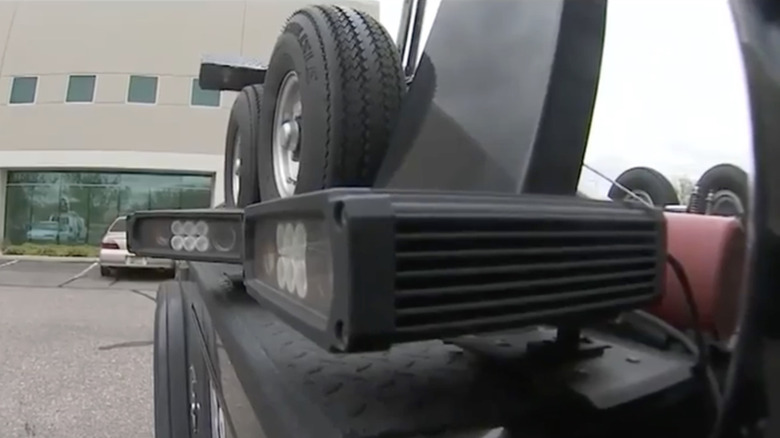
You won't just find ALPRs on the repo tow trucks, either. While that is an important use to make sure they're towing away the right car, cameras are also installed in ordinary cars specifically for stealth scanning. While bulky cameras mounted on the exterior of an unmarked car still give their purpose away to someone who knows what they look like, I found a slick interior setup on Reddit that scans through the windows while the car looks normal on the outside. Unlike an "unmarked" police car, you'd never notice a plain-looking Prius.
Adding to the database
Repo men then take these stealth cars and drive around, scanning everything in hopes of a potential match on their hit list of cars up for repossession. This video from TowTruckNate shows exactly what's involved. The system seems to work about as well as those designed specifically for law enforcement.
Unlike the Flock databases used by cops, repo men can't use this specific tool to look up personal information associated with a license plate, like the owner's name and address, but the plate, plus the car's make and model, are all they need to positively identify a wanted car. To their credit, the guys in this video double-check what the computer tells them against what they actually see before tagging a wanted car as located. They even reject one alert because they can plainly see the vehicle doesn't match. The technology isn't perfect, so this is an important step, one that police should take before pulling a family from an SUV at gunpoint because the license plate matches a stolen motorcycle from another state.
Of course, all of the license plates they scan go into DRN's master database, with the time, date, and location data attached. Nearly every car scanned is not on a repossession hit list, nor likely suspected of any crime. Yet that data can be used for police investigations without a warrant.
They don't just drive around randomly, but go to areas they believe they have a good chance of finding these cars, like the owner's home, workplace, and other addresses from their credit report. The repo men in this video admit to favoring low-income neighborhoods for this type of scanning. They realize how crummy it sounds, but at the same time, those with low incomes are more likely to run into financial issues. Without realizing it, they're also giving cops even more ALPR data on "bad neighborhoods," and they don't even have to drive a police car through them.
Other applications
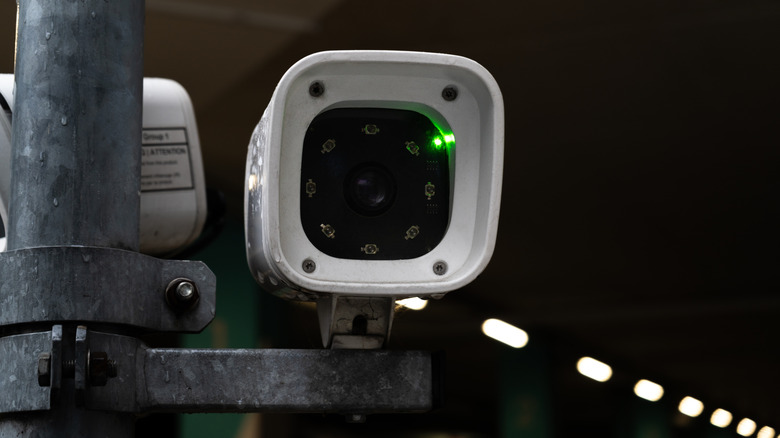
Repossession appears to be DRN's major business, though its scanners are also used for parking lot management, insurance fraud protection, and even commercial marketing. DRN's website says:
License plate reader cameras paired with external opt-in marketing database provide valuable data on customer visit patterns, allowing businesses to tailor marketing campaigns. For example, a retail store can log how often customers visit and offer personalized promotions to frequent shoppers.
Ew. Drivers want targeted marketing by the surveillance state about as much as they want Spider-Man ads in their BMWs. Since cameras can collect more than just license plate information, I'm just waiting to get some coupons for dog food because they saw my wife putting a bag of it in her car during three of her past seven visits. That's not scary at all.
If that isn't frightening enough, DRN is also a sister company to Vigilant Solutions, now known as the slightly less creepy name of Motorola Solutions, according to the Electronic Frontier Foundation. While law enforcement does not share its data with DRN for private use, DRN's data, collected by private companies, is available to law enforcement. While Flock has canceled its contract with ICE, Motorola Solutions supplies ALPRs to ICE, according to the Washington Post. So now all this data the repo men have generated while cruising low-income neighborhoods is available for immigration enforcement, which is just swell. This is how slippery the surveillance slope is.