

Mercedes-Benz Could Have Until 2030 To Comply With Chinese Ownership Regulations Approved By Senate Panel
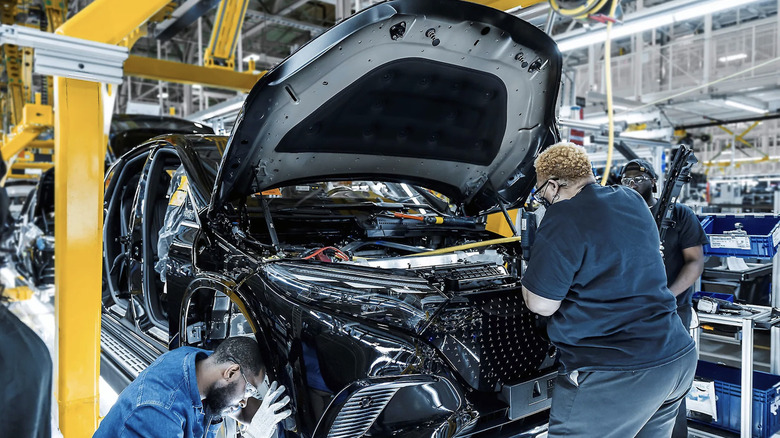
The bill that could potentially shut Mercedes-Benz out of the U.S. market has officially been approved by the U.S. Senate Commerce Committee. The legislation toughens an already-tough government ban on Chinese automakers entering the U.S. market, and it stops companies that are more than 15% China-owned from selling here. In its current form, the bill would effectively bar Mercedes because of its 20% passive Chinese ownership, something I don't think many lawmakers considered before putting this bill forward.
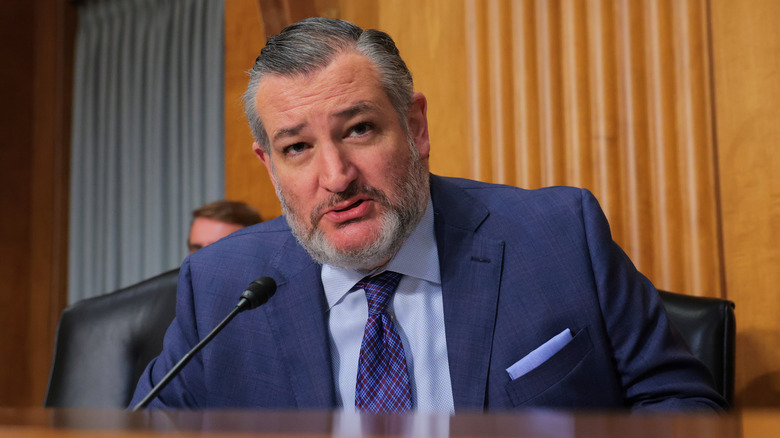
Now, Senators are looking for ways to carve out a space for Mercedes in their new, dumb legislation. Committee chair and Texas Republican Senator Ted Cruz (ya know him, ya love him) said the bill would require changes before it could become law, according to Reuters. Ohio Republican Senator Bernie Moreno, who previously owned Mercedes-Benz dealerships and currently has dubious ties to the automaker, certainly stands to lose a hell of a lot if the company can't sell here in the U.S. He said the German automaker would have until 2030 to comply with the new legislation, and it could get waivers from the newly implemented ownership requirement if necessary. I'm sure it could, Bernie.
Moreno, along with Michigan Democratic Senator Elissa Slotkin, is the architect of the bill, which attempts to codify regulation that was imposed by the Biden administration. It effectively bans all Chinese automakers from selling passenger vehicles in the U.S., along with taking steps to keep China from entering the U.S. light-duty market. Moreno says it's being done to prevent the "absolute, total, and complete destruction of our industrial base," which, at the very least, is more honest than pretending it's about security.
The automakers fight
A ban on Mercedes in the U.S. would be a disaster, considering it sold over 343,000 vehicles in the U.S. in 2025 and employs thousands upon thousands of folks across the country. For its part, the company says it "continues to support legislation designed to protect U.S. national security," Reuters reports. It also will remain committed to making sure whatever the legislation turns out to be won't impact its operations.
The girls are apparently fighting. Cruz, messy as ever, said General Motors was actively pushing for the 15% provision to get Mercedes-Benz out of the market as a way to benefit Cadillac, adding that he would "never consider" banning Mercedes sales in the U.S., according to Reuters.
GM responded, saying that the legislation isn't about any individual automaker and that it "supports policies that protect and strengthen American manufacturing and the global competitiveness of U.S. automakers." I dunno, guys.... Sounds like you want to kick Mercedes out! (For legal purposes, this is a joke).
Cruz, in another GM swipe, said that another bill provision supported by the automaker required other OEMs to buy more expensive batteries from GM that would add $5,000 to the vehicles' cost. I'm not sure why Ted is throwing GM under the bus so badly, but something really ticked him off.
As we've reported in the past, U.S.-based automakers have their own China tie-ups to deal with. Production of the Chinese-made Buick Envision will come stateside for 2028, and Ford is moving Chinese-made Lincolns to the U.S. as well.
One automaker has already fallen victim to the U.S.'s anti-Chinese vehicle laws: Polestar, which is being forced to pull out of the States at the end of the 2026 model year because its majority owned by China's Geely. Luckily, its sister brand, Volvo, didn't receive the same fate and was given authorization to keep selling vehicles in the U.S.
Obviously, this legislation is going to change a good amount before it officially becomes law, but one thing is clear: Mercedes has some real work to do if it wants to stay ahead of this 15% provision. These senators aren't exactly known for their forethought.