

These Diesel Engines Have Terrible Reputations For Reliability
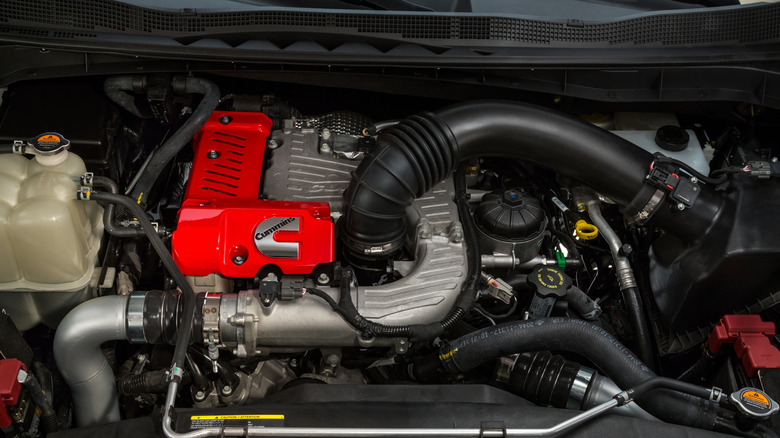
It's no secret that diesel engines are some of the most reliable out there, with countless examples of reliable old diesel engines that just won't quit. Exceptional examples include the units that motivate old Toyota and Cummins-powered Dodge and Ram trucks, which have been able to exceed 500,000 miles or even eclipse the mythical million-mile marker. Such powerplants drive home the point that diesel is a wise choice for anyone looking to rack up the miles.
Examples like these helped build diesel's impressive reputation for reliability and durability. However, shoppers shouldn't just buy any old diesel and assume it's capable of such feats, as, unfortunately, there are a great deal of engines out there that buck diesel's reliability trend. This article highlights some of them, including BMW's troublesome N47 engine, Ford's plagued Power Stroke, and even an unreliable Cummins.
When singling out these engines, we looked at what professionals in the diesel industry had to say and kept an eye out for common weak points that repeatedly send cars and trucks into early graves. That's not to say that these diesel-powered machines can't be capable of big miles, as preventative maintenance and sensible upgrades can make a huge difference. Rather, these engines typically aren't up to the task in their standard guise. These are five diesel engines with some of the worst reputations for reliability.
Ford 6.4-liter Power Stroke
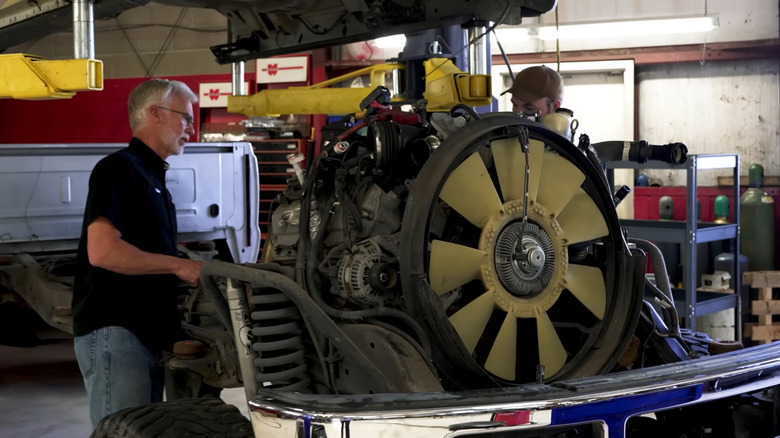
For decades now, Ford's F-Series range has ruled the roost when it comes to pickup sales in the U.S., and the automaker wouldn't have achieved that by building unreliable engines. However, at least one slipped through the quality control net, as the 6.4-liter Power Stroke engine is as unreliable as they come.
Common issues include oil dilution and failing radiators. The real concern is the oil dilution problem, in which fuel washes the cylinder walls during DPF regeneration. This leads to catastrophic failures, like the cracking of pistons, which ultimately rules the 6.4-liter Power Stroke out of any positive reliability conversations entirely. Very regular oil changes, think 5,000 miles as a maximum, help to reduce the likelihood of total failure.
As for the radiator issue, it stems from the fact that the core-to-tank ends are plastic. These break due to vibration and poor factory bonding, and the only way around it is to equip the truck with a more durable aluminum radiator, proving that, sometimes, aftermarket over OEM is the better way to go.
The 6.0-liter engine that preceded it was better, but only marginally, itself suffering from high-pressure oil concerns and head gasket woes, but the 6.4 is the real weak spot. On the Powerstroke Central YouTube channel, the owner of specialist diesel garage PSC Automotive and Diesel Repair simply says, "Stay away from the 6.4 Power Stroke," recalling how almost every example that has been through his shop was in for catastrophic engine failure.
Land Rover 3.0-liter Td6
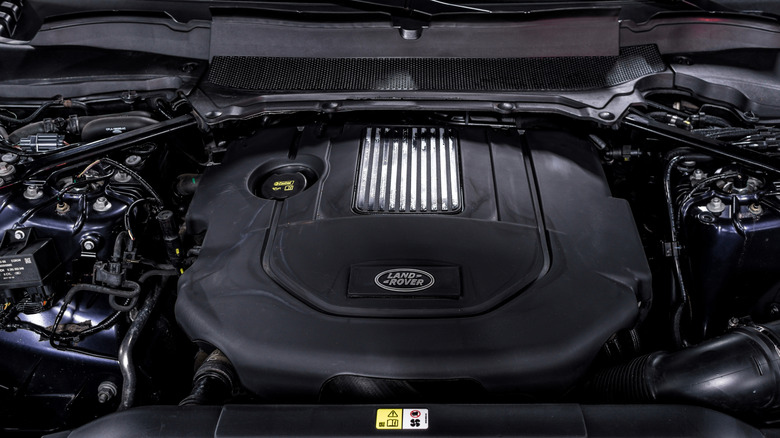
It can be easy to focus on pickup truck engines when looking at diesel reliability, but, in truth, some of the more stand-out examples are actually found in regular cars or SUVs. The 3.0-liter Td6 engine fitted to Land Rover and Range Rover models in the U.S. from 2016 is a prime example of a supposedly premium diesel engine being riddled with problems.
Its reputation in the U.S. may not be so prolific, due to the relatively small numbers in which it was sold. However, across Europe, the TDV6 (as it's called there) is well-known for catastrophic engine failure and expensive repair bills.
Unlike other engines, which may suffer from a multitude of issues, it's really only the one issue that destroyed the 3.0-liter Td6 engine's reliability record, and it's ultimately best classed as bottom-end failure. That reliability reputation is one of the reasons why Range Rovers depreciate so much, and with the risk of bottom-end failure, it's certainly justified.
The problem here is that the crankshaft main bearings begin to wear prematurely, the oil film between the crankshaft and bearings thins out, and then, a bearing may spin. From here, oil pressure drops, and the crankshaft itself may pick up damage or even snap completely. Now, we've covered what happens when a crankshaft sensor goes bad, with the consequences generally being misfires and other running issues, but when the crankshaft itself goes pop, that's game over.
Cummins 5.0-liter V8 Turbo Diesel
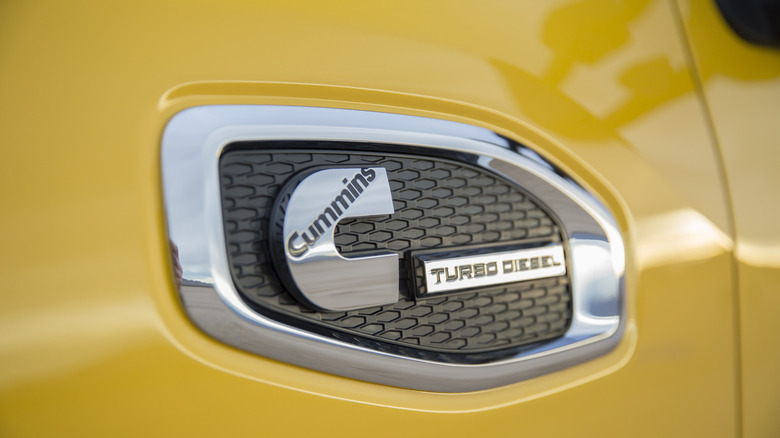
It will no doubt be surprising to see a Cummins engine appearing on this list. However, the 5.0-liter V8 lump that appeared under the Nissan Titan's hood has unfortunately earned itself a less than ideal reputation for unreliability.
A number of issues affect the diesel V8, including high-pressure fuel pump failure and turbocharger issues. The chief issue here is the fuel pump. It's a Bosch unit shared with GM's 6.6-liter Duramax engine (more on that shortly), which fails due to lubrication issues. When this happens, metal fragments are sent through the rest of the fueling system, and that's nothing short of a total disaster.
In terms of the turbos failing, what actually happens is that the actuators fail, and then, as a result, performance drops, and an involved repair is required. Nissan actually issued a warranty extension for this very issue, extending it to 10 years or 150,000 miles, whichever comes first. However, that warranty only covers the high-pressure turbocharger. Owners have reported repair costs north of $10,000 for repair and replacement of the low-pressure turbocharger, too, which paints a horrendous picture of what maintenance and repairs may cost when that extended warranty does expire.
BMW N47 2.0-liter inline-four
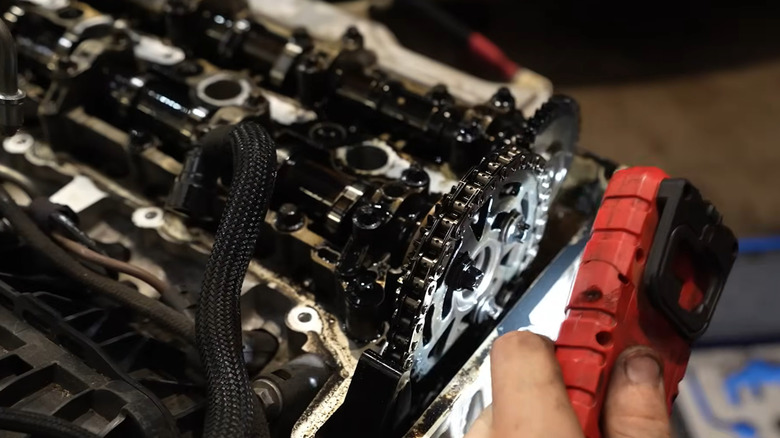
This diesel engine wasn't widely sold in the U.S., appearing briefly in the F30-generation BMW 3 Series and F25-generation X3. In truth, it wasn't all that bad either, but only because the majority of problems were worked out prior to it arriving stateside in 2013.
In U.S. guises, it's a turbocharged 2.0-liter inline-four that provides impressive fuel economy and enjoyable driving characteristics. However, timing chain failure is a concern, especially for earlier iterations. Early tell-tale signs that the chain is going include a notable rattling sound from within the engine bay, plus rough-running and a check-engine light. To make matters worse, the chain is located at the rear of the engine, near the bulkhead.
That makes repair or replacement immensely labor intensive, as the engine has to be removed for a proper repair to be carried out. Specialist garages quote around 35 hours in labor to complete the job, seeing costs quickly spiral into the thousands. It can be cheaper if the chain is replaced before extensive damage occurs, or if just the tensioners are being replaced, but four-figure bills should still be expected.
BMW did tweak the design as the years went on, so later models are safer, and owners can opt for regular inspections to try and catch wear before it materializes as failure. Due to the N47's reputation, a professional inspection would be wise for any prospective buyers looking to secure a so-powered example.
GM LML 6.6-liter Duramax
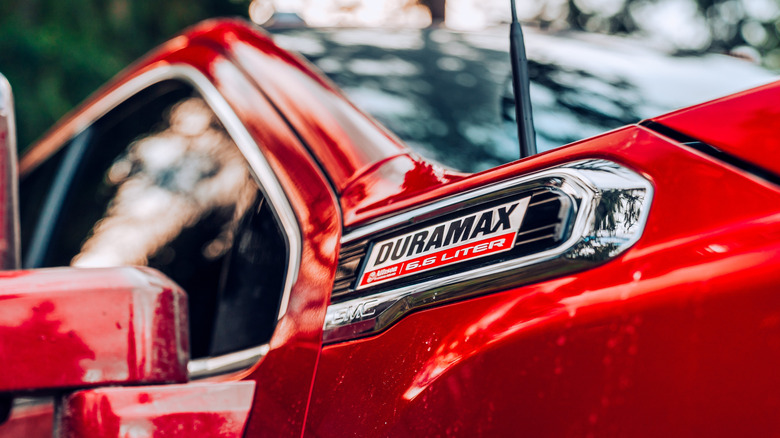
This last engine leads us back to the world of pickup trucks. While the LML Duramax doesn't quite suffer the same reputation as the aforementioned Power Stroke engine, it's still far from a favorite. It came under the hood of Chevrolet Silverado and GMC Sierra HD models between 2011 and 2016, and while the engine itself is actually quite a durable design, it's let down by a faulty fuel pump.
What happens is that the stock (CP4) fuel pump breaks down due to a lack of lubrication, and as a result, internal parts begin to degrade, sending metal debris firing through the fuel system. It's a catastrophic and immediate failure, and repair is far more involved than just changing the pump, as so much of the fuel system becomes contaminated.
For a thorough job, it's imperative to replace the fuel rail, injectors, fuel filter, high-pressure and return lines, and the pump. All other fuel lines will have to be cleaned and flushed out, in addition to the tank, as, otherwise, the chance of lingering debris in the system poses a risk to the other newly fitted parts. Comprehensive repair kits cost thousands, which is a solid reason to avoid this engine entirely, or carry out a conversion to a more reliable fuel pump immediately as a matter of preventative maintenance.