

App That Might Allow Users To Bypass Emissions Controls Used As Justification For Federal Privacy Overreach
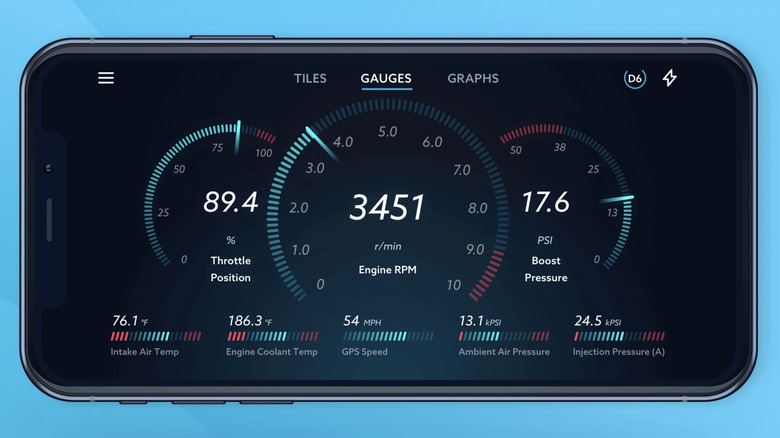
Investigating a company for a product that might potentially break the law seems like a reasonable thing to do. Demanding the personal information of at least 100,000 users of that product, however, is a different story entirely. That's what's happening to users of EZ Lynk, an OBD-II scanner and app that the Department of Justice has accused of enabling users and tuners to bypass emission controls in violation of the Clean Air Act, reports Forbes.
EZ Lynk offers the Auto Agent 3 OBD-II interface and several apps for various purposes, such as commercial trucking, fleet management, and scan tool functions for both consumers and professionals. In 2021, the Department of Justice sued EZ Lynk for violating the Clean Air Act by allegedly allowing users to bypass emission controls. This sort of violation is not unheard of, as Cobb Tuning paid a $2.9 million fine in a settlement over similar accusations. The case against EZ Lynk goes a bit deeper, though. From Forbes:
According to a joint letter to the court from EZ Lynk and the DOJ, filed earlier this month, the DOJ subpoenaed Apple and Google across March and April for details on anyone who downloaded EZ Lynk's Auto Agent app to find customers to testify in the case. Subpoenas were also served on Amazon and Walmart, asking for names and addresses of people who bought the EZ Lynk hardware that users plug into a port in their vehicle, the letter says.
In the letter, EZ Lynk lawyers wrote that Apple and Google are planning to fight the subpoenas. Walmart declined to comment. None of the other companies subpoenaed responded to a comment request.
"These requests for potentially hundreds of thousands of people's PII go well beyond the needs of this case and create serious privacy concerns," wrote EZ Lynk's lawyers in the letter. "Investigating this claim does not require identifying each person who has used the product."
A double standard
In the same letter, the DOJ insists that its request for user data is fair and justified, as it wants to interview people who have used EZ Lynk about the ways they have used it. The DOJ also said that because users gave EZ Lynk their information and agreed to the app's terms and conditions, "they no longer have a cognizable privacy interest as to that information."
Even if we accept that sketchy explanation to justify grabbing these users' identities and addresses, it still doesn't justify including their purchase histories, which have nothing to do with EZ Lynk beyond its own apps. It's a massive invasion of privacy that may stray into Fourth Amendment "unreasonable search and seizure" territory, whether that applies to the companies involved or the individual users themselves.
If the DOJ were truly just interested in interviewing EZ Lynk users who might have tampered with emission controls, it could easily find a few through public social media posts, as The Drive points out. The vast majority of users have likely broken no laws and use the OBD-II scanners as intended. Regardless of whether EZ Lynk broke the law or not, there is no justification for an invasion of privacy on this scale.
It's also worth noting that the DOJ continues to pursue its case against EZ Lynk for alleged Clean Air Act violations after ordering federal prosecutors to drop all pending cases that target defeat devices. The Trump Administration has essentially dismantled the Clean Air Act, and even pardoned a diesel tuner convicted of violating it. Surely this couldn't be about gaining access to private user information instead of enforcing emissions standards, which Trump himself has said don't "mean a damn bit of difference for the environment."