

Why Turbos Fail Prematurely (And The Simple Fixes You Shouldn't Ignore)
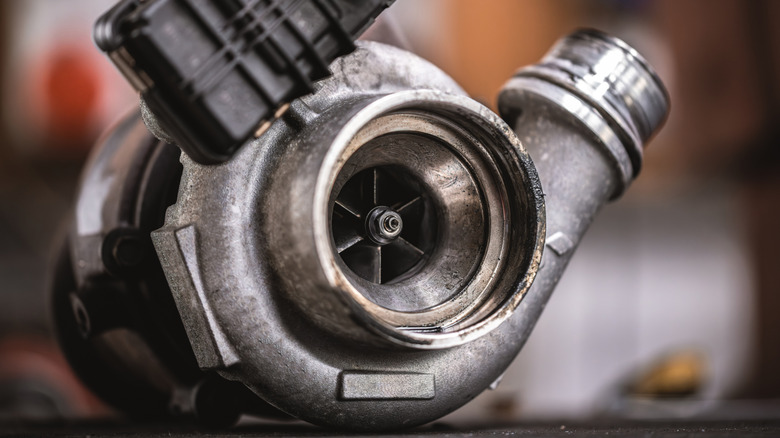
Turbocharged cars are not inherently unreliable. In fact, some of the highest-mileage vehicles known anywhere sport turbocharged engines. However, turbochargers can fail prematurely, bringing expensive bills and decreased performance with them, so for anyone driving or currently considering the purchase of a boosted car, it is first important to understand what affects turbo reliability the most.
While other reasons, such as manufacturing defects, exist, the three main culprits behind premature turbo failure are oil starvation, oil contamination, and debris ingestion. In the simplest of terms, if the oil feeding a turbocharger becomes contaminated, or the supply of said oil drops, then is a sure-fire way of cutting the turbo's life expectancy considerably short. Likely contaminants include carbon particles, metal shavings, fuel, and coolant. Such contaminants also tick the box of being foreign matter and debris, which links to the third turbo-killing culprit of debris ingestion.
Contaminated oil degrades the internal condition of the turbocharger. It increases friction, which in-turn increases operating temperatures, all while wearing away vital components such as seals, bearings, and shafts. This disrupts the turbocharger's balance, and before long warning signs that the turbo is about to fail will become apparent. A turbo starved of oil is in just as much trouble. A constant flow of clean oil is required to ensure efficient operation at speeds around 200,000 rpm. Take that supply away, and catastrophic failure is possibly only moments away.
Here's the quick fixes to promote turbocharger longevity
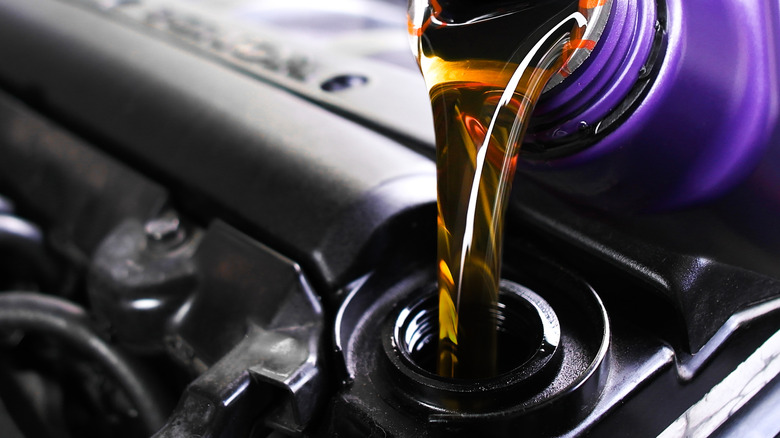
The answer to a long and happy life for a turbocharger is not complex, and nor is it difficult to implement. As it's typically issues with the oil supply that cause a turbo to go bang prematurely, focusing efforts here is generally a wise starting point.
Ensuring that the oil within the engine is both high in quality and of the correct grade is paramount for a happy, healthy turbocharger. That doesn't necessarily mean using the most expensive oil out there, or even switching to synthetic oil. Rather, it means ensuring the oil has been changed inline with the manufacturers' guidelines, checking that it isn't contaminated with coolant, fuel, or otherwise, and that the correct grade has been used. If unsure, then change it – a quick oil change with a new, quality filter for peace of mind is a far cheaper exercise than replacing a turbo.
While on the subject of maintenance, other aspects of car care also directly affect how long the turbo can be expected to last. Boost leaks can cause the turbocharger to overwork itself, while dirty air filters can introduce dust and other fine particles into the turbo's internals. Keeping on top of any leaks, filter changes, and generally every aspect of general car maintenance is all key to ensuring the turbo lasts a full life.
Driving habits are the easiest fix to make

If car maintenance is fine, the oil is pristine, yet the car is still chewing through turbochargers, then perhaps driver behavior is to blame. Bad habits can just as easily wear a turbocharger down, so for anyone looking for simple fixes to extend turbo life, here's the golden advice.
It's clear that turbochargers need a healthy supply of oil, but just having nice oil in the engine isn't enough — drivers need to ensure the oil has actually reached the turbo before they start exploiting it. So, they shouldn't be revving the engine up on cold start, and they shouldn't be switching the engine off immediately after a journey has finished, either.
Doing the former spins the turbo up before oil supply has been given a chance to reach it, plus oil is thicker when cold, so ideally the engine should be properly warm before you start giving the turbo stick. The latter switches that oil supply off while the turbo is still glowing hot. The oil left inside the turbo can cook, creating carbon deposits deep within, fast-tracking internal wear. A quick rule of thumb is to wait 30 seconds before shutting the car off, particularly after a long journey.
Unfortunately, turbo care isn't fun or exciting. It's all about keeping on top of simple maintenance, and not thrashing it at every given opportunity. Change the oil, drive sensibly, and that's about the sum of it.