

Coolant Filters Do Exist, But Do You Need One?
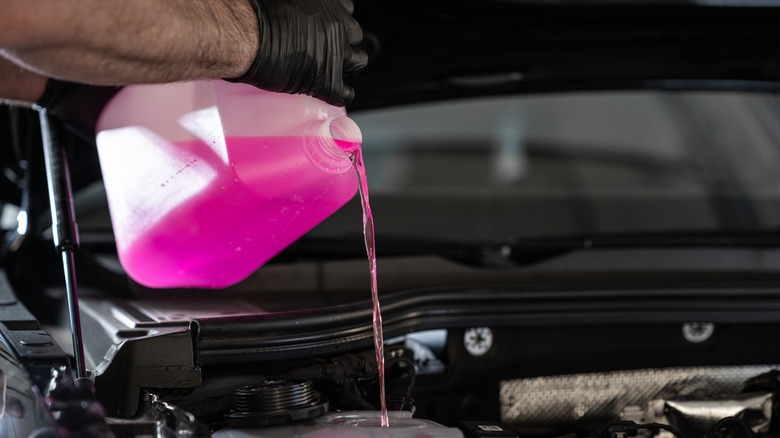
Jalopnik has posted a number of articles in the past about basic maintenance skills everyone should know, such as how to change your air filter, but we've never had to post a topic on how to replace coolant filters. That's because, for the most part, they just aren't needed. They do exist, although they are generally reserved for heavy-duty diesel applications, whereas typical passenger car engines just don't seem to utilize them.
It's strange, though, isn't it? Filters are required just about everywhere else in a car's mechanical systems, but one of the most important systems simply works without one. As it happens, there is solid reasoning as to why coolant filters aren't commonplace. Simply put, the coolant system already has safeguards in place, such as the fine pathways within a radiator, or the overflow bottle, which can trap sediment.
Sure, these aren't filters in the traditional sense, but when debris is present within the coolant system, they can effectively perform the role of one. It's also worth mentioning that coolant is typically anti-corrosive in nature, and coolant systems are closed, so it's not exactly easy for contamination to form in the first place.
You still need to pay attention to coolant maintenance
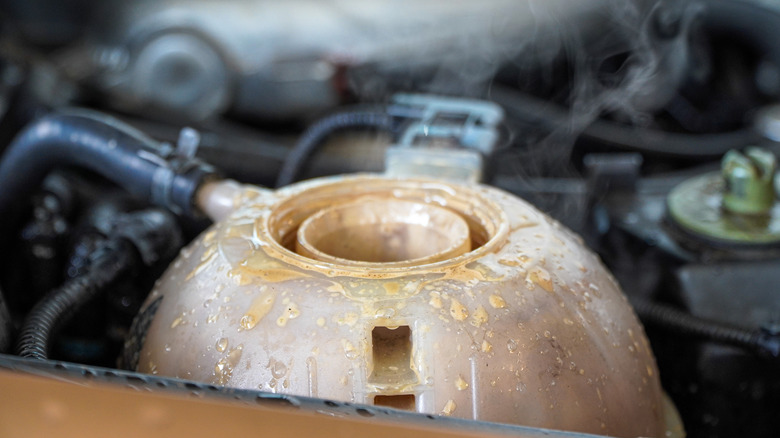
Just because the coolant system doesn't need a filter, that doesn't mean it is maintenance free. We've already covered what happens if you never change your coolant, but for a quick refresher, coolant isn't invincible. It breaks down over time and loses its anti-corrosive properties, allowing rust and scale to form within the system. Ultimately, such debris can clog vital components within the coolant system, such as the radiator and water pump. If these blockages are allowed to form, the engine is then at risk of overheating.
Different engines will have different intervals for refreshing the coolant system, with most sitting somewhere between 2 and 5 years, or 60,000 to 100,000 miles. Engines that support long-life servicing can go for even longer, but for an accurate figure, consult the vehicle owner's manual.
If the car is new to you, though, and you're unsure as to when the coolant was last changed, there are warning flags you can keep an eye out for. If the coolant has a strange color or is milky, oily, or visibly contaminated with any debris, then it's definitely a sign to replace the coolant. If the car isn't overheating or showing signs of any coolant leaks, there should be nothing stopping you from tackling this as a DIY job. However, if there are other issues at play, perhaps it's best to hand this one over to the professionals to ensure a thorough fix is carried out.
It is possible to retrofit coolant filters
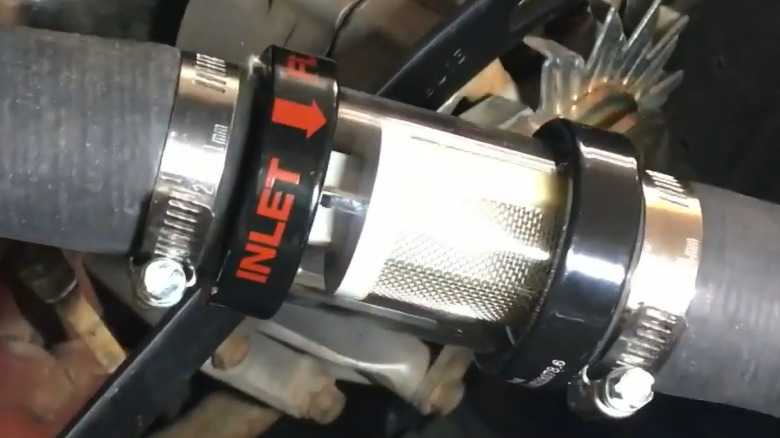
Coolant filters aren't needed on passenger cars, but that certainly doesn't mean they can't be a positive addition. After all, if the amount of debris and contamination within any system of a car's engine can be reduced, then surely this is a positive.
Enthusiasts online have documented how aftermarket coolant filters have trapped unwanted sediment in the system, with common culprits being rust particles and small pieces of gasket material. It's also entirely possible for small rubber components from the water pump or old coolant hoses to begin breaking off and contaminating the system, in addition to gritty fragments from stop-leak products. A previous owner might have cracked an egg into the radiator to stop a leak in the past, so who knows what a filter may trap if given the chance. While there is no real need to fit a coolant filter, doing so certainly adds in an extra layer of protection.
Inline coolant filters aren't expensive additions should you fancy slotting one in, with reputable outlets selling a variety of sizes for roughly $75 to $100. For anyone considering a full overhaul of the coolant system, incorporating one could be a wise move for peace of mind.