

Understanding The Differences Between Generic And Manufacturer OBD-II Codes
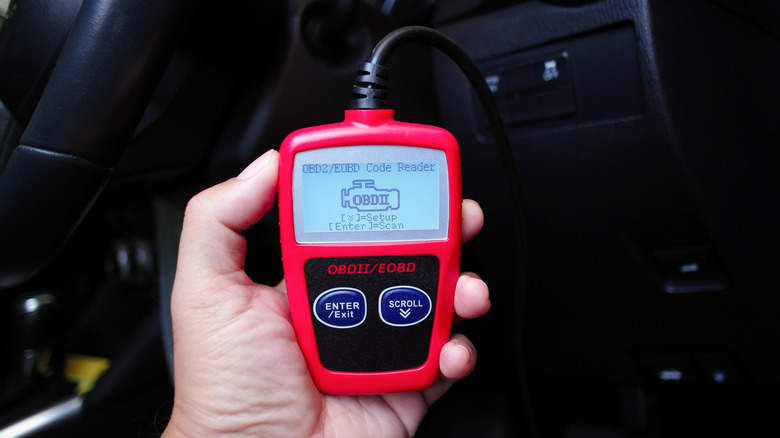
From the late '80s onward, cars were becoming more and more technically advanced, and an old-school toolkit could only do so much. So, following some development (and the limited OBD-I design), the OBD-II port was introduced as a standardized way to access a vehicle's diagnostics. It became mandatory from 1996 onward for all cars and trucks sold within the U.S. A proven success, the OBD-II port changed car repair forever and soon became the global standard.
If a fault is present, the car's diagnostic system will produce a diagnostic trouble code (DTC). You can access these codes via the OBD-II port, which requires using an OBD-II scanner. To do so, simply locate the OBD-II port beneath the dash, connect your scanner, and turn the ignition to the on position without starting the engine. It's easy enough to do. However, there are generally two types of DTCs — generic and manufacturer codes — and understanding the differences between the two is more involved.
A generic DTC starts with one of the four following letters: P, B, C, or U. Those letters stand for powertrain, body, chassis, and network, respectively. If the second symbol of the DTC is a 0, then it's a generic code. In the case of manufacturer codes, the same four letters apply, but the second character will be a 1. The rest of the code describes the issue and doesn't dictate whether it's generic or manufacturer specific.
Here's why manufacturer-specific codes exist
Generic DTCs are great, as they can help you identify the root cause of a fault. For example, P0300 means a random engine misfire has been detected. It will typically be accompanied by another code like P0301, which indicates that the first cylinder has the misfire. Whoever is working on the car can then begin exploring what may be causing the misfire.
That's very useful, but it's still a little vague. This is where manufacturer-specific codes come in handy, as they can highlight exact issues that generic codes just cannot. For example, owners of General Motors cars may be confronted with a P1870 DTC, signaling a slipping transmission component. This code gives a technician direct information, whereas a generic transmission fault code, such as P0700, simply tells them that a fault is present somewhere in the transmission system. The required fix could be anything from changing the transmission fluid to a full transmission rebuild, which demonstrates the shortcomings of a generic code.
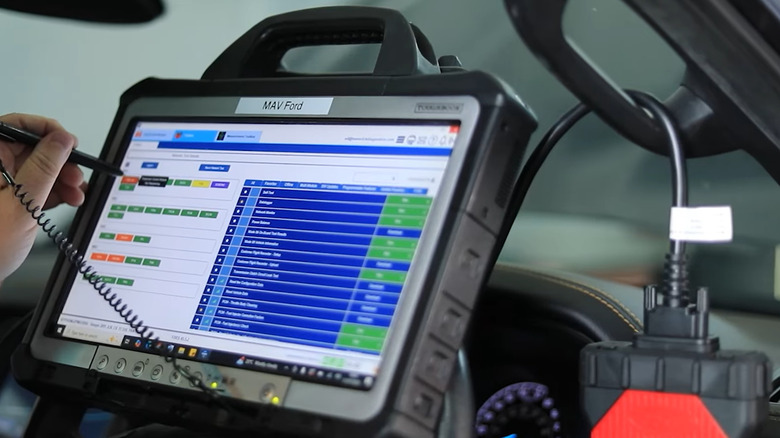
Furthermore, as cars have become more complex — in particular hybridized vehicles and cars with advanced driver-assist features — the need for more specific manufacturer codes has become clear. The downside is that standard OBD-II readers can't always read some these proprietary codes, making more advanced diagnostic tools necessary. These brand-specific scanners can easily cost thousands of dollars, while generic OBD-II readers can be had for under $25.