

Nissan Recalls 51 New Leaf EVs For Spontaneous Combustion, Even When Not Plugged In
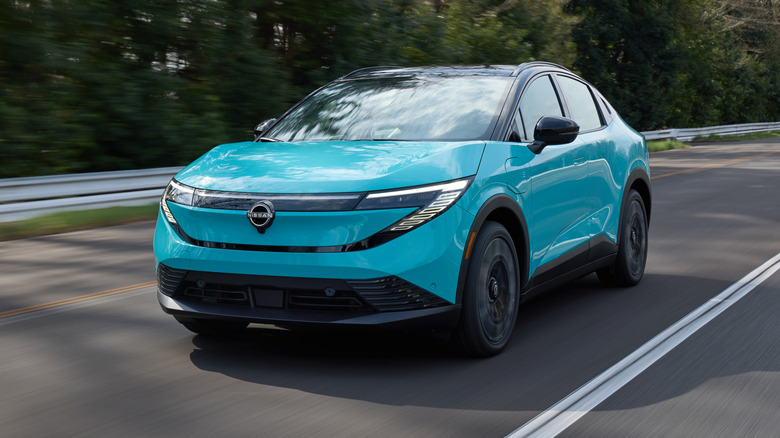
People have been debating whether or not spontaneous human combustion is real for hundreds of years. However, spontaneous combustion in cars is quite real, both ones powered by internal combustion and electricity. EV fires are typically caused either by charging issues or battery damage; the new Nissan Leaf, however, may self immolate completely on its own, which has led to a NHTSA recall.
The issue stems from a defect inside the battery itself, both the standard version and the one with the optional heat pump. From the recall report:
Based on preliminary information, damage to the edges of the battery cell cathode material in the subject batteries may have occurred during the supplier's manufacturing process. If a cathode with a torn edge is assembled into a battery cell, the damaged portion of the cathode may fold onto itself, potentially resulting in an internal short circuit within the battery module.
That is what electrical engineers typically refer to as "bad." A short circuit leads to a fire, which leads to more cells shorting out in a chain reaction. That's why EV fires are so difficult to put out. Nissan and its battery supplier worked together, quickly discovered the problem, and determined exactly which cars are at risk. There have been no reported accidents or injuries related to these fires.
Telematics narrow it down
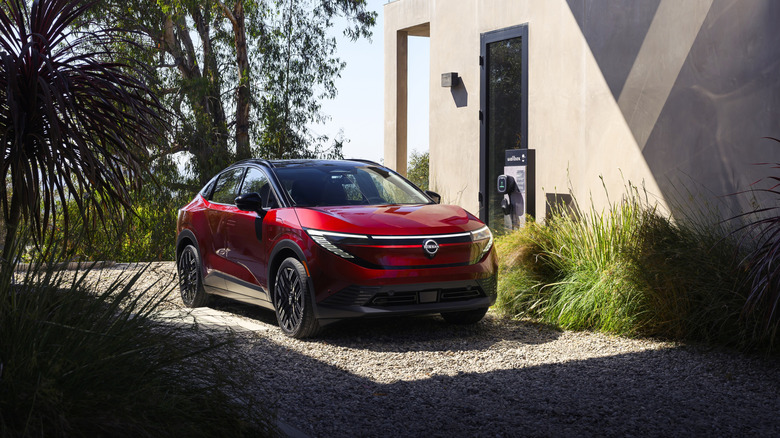
Nissan first became aware of this issue when a Leaf at a dealership in Osaka, Japan, spontaneously caught fire on February 19, 2026. It was outside, turned off, and not plugged into a charger at the time. Nissan reviewed telematics data from the burnt Leaf and found "electrical characteristics that were outside the expected specification range" in one battery module before the fire. Nissan then began reviewing data from other vehicles to find similar anomalies in them.
On March 2, a second Leaf burned in the same way outside a Nissan dealer in the U.S. Nissan brought the wreck to its Field Quality Center for investigation. It narrowed the problem down to the battery pack, and sent it to the battery supplier for further analysis. On March 10, the supplier discovered the cathode damage, figured out how it might have occurred, and changed its production process to avoid the issue in the future. Meanwhile, Nissan and the supplier were able to identify 51 battery packs that might have been manufactured with this issue, and matched them by VIN to the 51 cars they went into, which are the only cars included in this recall.
Nissan recommends that owners park their Leaf outside and not attempt to charge it. Owners may bring their car to a dealer, who will provide another car to use until it can replace the affected battery modules or the entire battery pack with one that does not have this defect at no charge.