

The Key Differences Between Chip Tuning And Remapping

Typically, some of the go-to mods to increase the horsepower and performance of a vehicle are free-flow exhausts, porting and polishing your cylinder heads, upgraded camshafts, forced induction, and enhanced intakes. But, a quicker — and easier — way to gain power in modern cars is to tweak the vehicle's brain: the ECU. You may have heard the terms remapping and chip tuning if you've been scouring the internet to extract more juice from your motor, and the two are often used interchangeably, which is inaccurate.
Manufacturers tune their vehicles to meet emissions regulations, enhance the longevity of the engine and its components, and optimize fuel economy, which means there is often untapped performance potential left. Both chip tuning and remapping aim to unlock that performance, as they alter the standard factory parameters of a vehicle's computer. The two, essentially, do the same thing — add more performance to your vehicle — but they do it in different ways.
Chip tuning is an older, somewhat archaic method of tuning a vehicle's ECU, typically used on older cars that relied on physical chips. The chip is removed from the ECU and is either reprogrammed or replaced with a tuned chip that has new software to improve the vehicle's performance over the factory setup. This is a permanent solution. ECU remapping, on the other hand, is used in newer vehicles equipped with OBD ports, allowing tuners to connect their devices directly to the ECU, modify the factory software, and customize the vehicle's parameters to the owner's requirements.
What separates remapping from chip tuning?
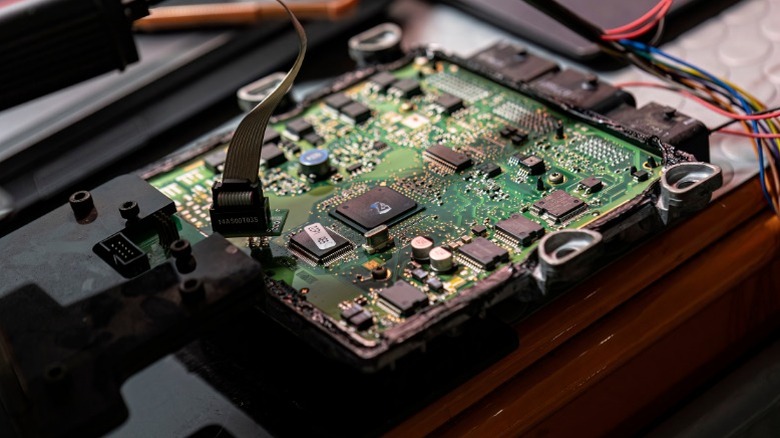
ECU remapping offers more torque and horsepower by adjusting ignition timing, air-fuel ratio, and boost pressure, while also improving throttle response and even fuel economy. Chip tuning, if executed properly, can also improve power and torque figures by modifying the inputs received by the ECU, although it is limited in scope compared to ECU remapping.
Remapping is the widely preferred option for car tuners, as it offers greater customization, easier installation, and the option to rollback to factory settings or further tune in the future. Tunes can be made according to the specific vehicle or the driver's preference, be it a more aggressive delivery of power or a more gradual one. Chip tuning, meanwhile, is not easily reversible, meaning the tune applied is the one you'll continue with unless the chip is physically replaced or reprogrammed. However, they are often the only option for changing ECU performance in older cars without modern OBD-based ECUs.
While both methods can improve performance and efficiency to varying degrees, there are some drawbacks to remapping or chip tuning your vehicle. The added stress on the engine and drivetrain components can accelerate wear and potentially reduce their lifespan, and such modifications may also void your vehicle's warranty. In some regions, ECU modifications may not comply with emissions or road regulations, which could result in huge fines. Most tuners also note that remapping tends to deliver more significant performance gains in forced induction engines than in naturally aspirated ones. Whether you go for a remap or chip tuning, you're unlocking a bit more of what your car already has to offer.