

New Alloy Could Vastly Expand Automotive Use Of Recycled Aluminum
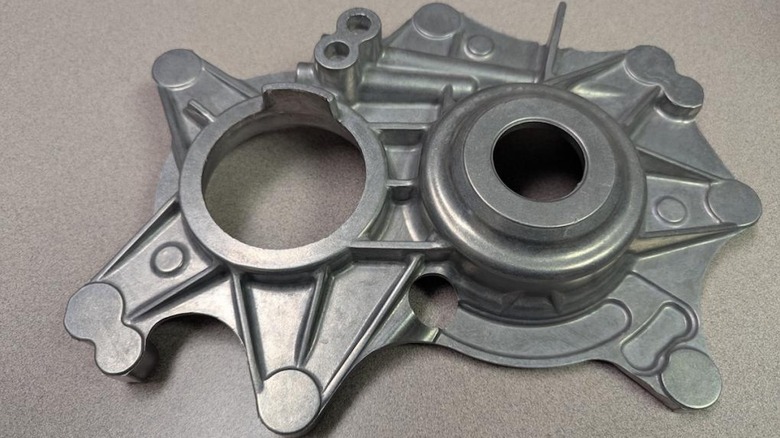
Once reserved for exotic cars, aluminum is widely used in most everyday modern vehicles. New aluminum is expensive, and the Trump Administration's 50% tariff on imported aluminum and steel certainly doesn't help, but that may be about to change. ScienceDaily reports that scientists have invented a new alloy using recycled aluminum strong enough to be used for structural parts, which has not been possible until now.
The United States already has an extensive infrastructure for recycling aluminum, including everything from soda cans to scrapped cars. "Using remelted scrap instead of primary aluminum is estimated to result in up to 95% reduction in the energy needed for processing a part," Amit Shyam, leader of Oak Ridge National Laboratory's Alloy Behavior and Design Group, told ScienceDaily. That's a significant incentive to use recycled aluminum anywhere and anytime it's possible.
Current recycling techniques can't make secondhand aluminum strong enough to be used in major structural components. When the original parts are melted down, so are the rivets and other fasteners made of different materials. These impurities make recycled aluminum weaker than pure, freshly mined aluminum. This is fine for non-structural parts like hoods and engine blocks, but not for parts like frames or suspension components.
An idea whose time has come

RidgeAlloy, as it's been named, has the potential to turn the aluminum sourcing and manufacturing process on its head. By making recycled aluminum strong enough for structural applications, we won't need to mine or import as much, bypassing tariffs and reducing the amount of mining necessary, the energy required, and the associated environmental impact. It could even potentially reduce the high prices of new cars.
There's already a great deal of structural primary aluminum out there. The perennial best-selling truck in the U.S., the Ford F-150, started using aluminum beds in 2015. That's a lot of trucks, and that's just one model. By the early 2030s, these vehicles could contribute as much as 350,000 tons of aluminum scrap per year. RidgeAlloy could turn this scrap into new structural castings that could make up at least half the quantity of current domestic primary aluminum production.
If the name "Oak Ridge National Laboratory" sounds familiar, it's because this is the same formerly top-secret laboratory responsible for the Manhattan Project's plutonium production. According to the U.S. Department of Energy, "ORNL's mission has grown and expanded through the years, and now it is at the forefront of supercomputing, advanced manufacturing, materials research, neutron science, clean energy, and national security." Aluminum is on the Department of Energy's Critical Materials List, and ensuring a reliable domestic supply is a matter of national security. Considering today's volatile political environment, this is the right idea at the right time.