

Ferrari Might Put A Flippy Wing On Its F1 Car To Catch Mercedes And I Hope It Works
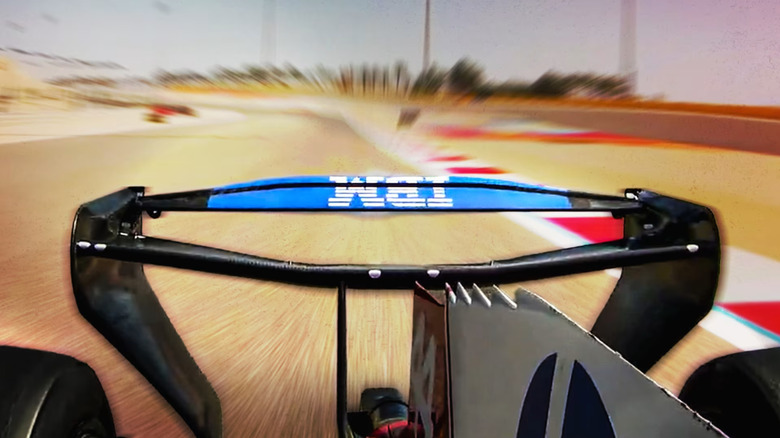
During Formula 1's recent pre-season test in Bahrain, Ferrari debuted an interesting design tweak that nobody else has implemented, but caught the attention of everyone in the paddock and fans worldwide. When the Ferrari SF-26 enters "Straight Mode," a low-downforce and low-drag setup that can only be used in prescribed zones of each track, the rear wing did a little dance and blew everyone away. Where all of the other teams implemented a simple actuation system similar to last year's Drag Reduction System regulations, Ferrari flipped everything on its head. Ferrari tested it again in practice ahead of the Chinese Grand Prix this weekend, though opted not to run it in the race. Ferrari team boss Fred Vasseur says it'll come back for the Japanese Grand Prix next week.
When the new set of F1 regulations made its on-track debut in pre-season testing, it looked like Ferrari really had the run of the field. The new higher-horsepower engines and lighter weight chassis are better suited to on-track performance, and Ferrari knows a thing or two about engineering for speed. Everyone started speculating about the efficacy of the new flipping wing as soon as Ferrari showed it for the first time, but all of that speculation kind of died down when the team arrived at the first race of the season in Australia with a traditional rear wing element.
Canal+ in the lead up to Sprint Qualifying asked Vasseur why the flippy wing had been removed for the remainder of the event.
"Well, we removed it," joked Vasseur. "No, it's just that we need to do some testing to make it reliable, and the only way to test right now is during FP1 sessions. So, we'll put it back on in FP1 in Japan and we'll see when we'll introduce it permanently."
Do the Macarena
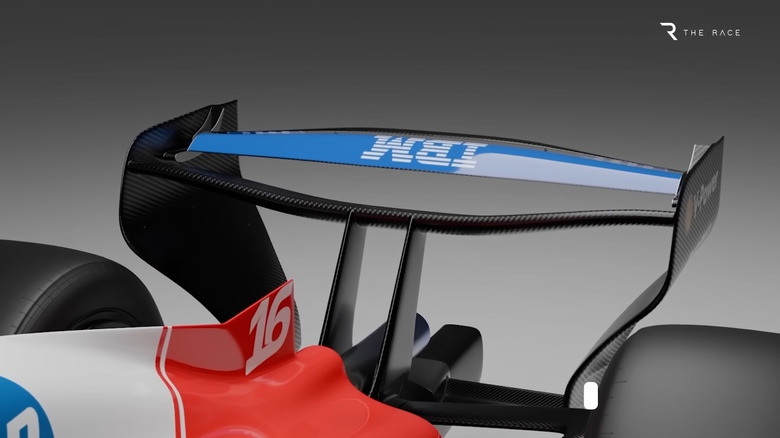
When the wing is static in the so-called Corner Mode, it looks like a regular F1 wing split into two elements. In Straight Mode, the upper element can be opened to create a gap between the upper and lower elements, letting air through the two, rather than forcing it up and over the top of the upper element. Theoretically Ferrari's upper wing flipping to be upside-down while in Straight Mode could further stall out the wing and make the wing all but disappear to the air rushing around it, potentially lowering downforce and drag even more at top speed.
Shifting into straight mode has a momentary aero disadvantage, as the wing element is perpendicular to the air, but the car is at lower speeds coming off the corner, and the disadvantage is more than made up for by a slightly faster top speed and less drag on the straight fighting battery deployment. There is an additional benefit to this flip when the car goes onto the brakes and the wing flips back around at high speed, acting as something of an air brake helping slow the car down further on its way back to Corner Mode.
"I don't know why we went back to that wing. We rushed to get it here, but that wasn't the original plan." Ferrari driver Sir Lewis Hamilton revealed on Friday. "I think we were supposed to introduce it for the fourth or fifth race of the year, I can't remember exactly. The team worked hard to get it here, but I think it's a bit premature. We've left it out, but the car is still competitive. We'll work on it, and it will return when we're ready."
Flippy wing cometh
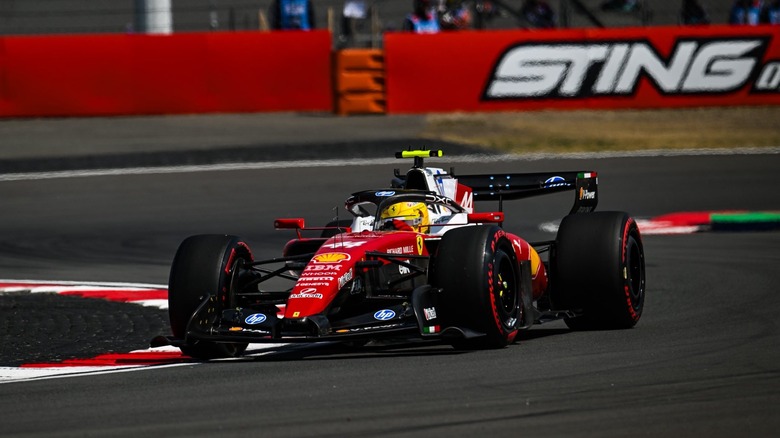
There are a couple obvious disadvantages to this style of wing. The first is that flipping a wing 180 degrees takes more time than simply opening the wing to show a gap, or closing quickly. 15 degrees of movement or whatever, takes significantly less time and the actuator itself doesn't have to be built quite as robustly as it would with this style of wing. That equates to a weight disadvantage for Ferrari, however minor it may be. These cars are on the razor's edge of weight minimum, so even ounces can make a difference, particularly mounted this high up in the chassis.
With more and longer Straight Mode activation zones in China, and fewer tight and slow corners, this race could be to Ferrari's advantage if the team has its sums done correctly. Or if Mercedes is also bringing some tricks up its sleeve to this race and manages to keep a similar gap to the red team, then we might not see much change. And don't count out the Red Bulls just yet, as we didn't really get an opportunity to see them shine in Australia with Max crashing out of qualifying and Hadjar's engine exploding during the Grand Prix.
The world of F1 is putting pins and red string on a cork board right now trying to figure out what Ferrari knows that they don't. Despite the first race working out to an easy 1-2 finish for the Mercedes crew, Ferrari really got their sums right when it comes to rocket ship launches away from the grid on the first lap. Further, the SF-26 only barely fell short of the Mercedes pair in terms of top speed. If the team can eke out another mile per hour or two in straight mode with this so-called Macarena wing (and figure out its strategy, which I know is a tall ask), then it might be within range of fighting for wins again.