

5 Things To Know Before You Buy A Classic Car
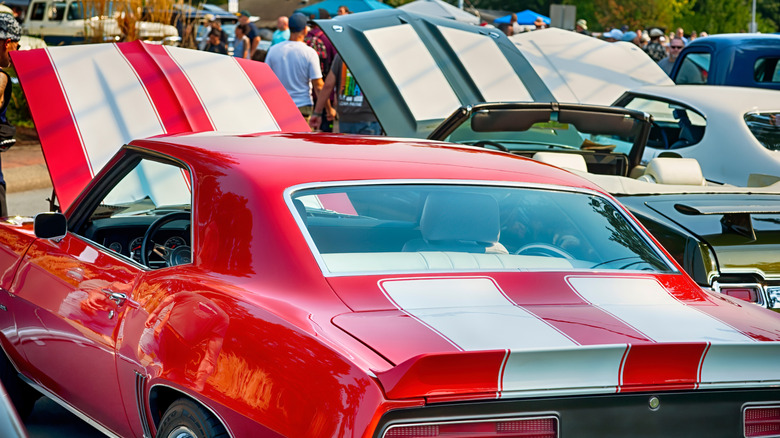
Six things, actually. Because the first thing is, technically, understanding what constitutes "classic" when it comes to cars, and that varies by state. Generally, 25 years is the point at which a car graduates from being merely old to classic, and may be registered as such. Or not, depending on your plans for how you'll drive it — assuming it's drivable to begin with.
If you've bought and sold classic cars before, you've probably got things down to a science, with tales of the occasional deal-gone-sideways to drop into Cars & Coffee conversation. You may already be tracking which classic cars were hot, but have dipped into temptation territory. For those of us who've been wanting to jump into the classic car pool, but have little or no experience, it can be as overwhelming as it is exciting. There's a ton of information out there to sift through. If that sounds daunting, it's also good news.
The path from dream to driveway can be satisfying or frustrating, depending quite a bit on one's perspective and expectations — both of which are shaped before taking the keys. With that in mind, and to make the adventure more approachable, we've narrowed it down to five things to know before you buy a classic car, from simply knowing what you want to getting a trustworthy pre-purchase inspection.
Know your reasons: what you want, and why
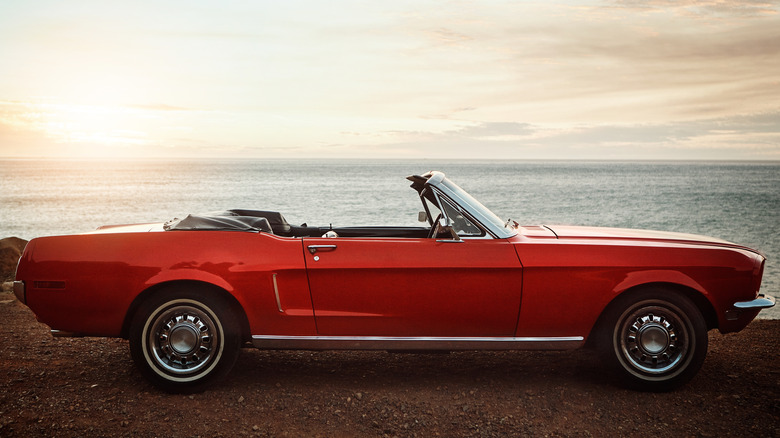
We're all friends here. Nobody is going to judge you for impulsively snapping up a dilapidated 1988 Porsche 944, or a restomodded 1968 Pontiac Firebird, if that's your thing. The desire for a classic car usually involves some emotional yearning that seemingly defies logic. But that doesn't mean you have to abandon reason. Decide what you're truly willing to take on, prioritizing how you envision using the car.
Do you want something pristine, or a project? Do you want a weekend cruiser? Or perhaps a viable, but imperfect daily driver? Are you looking for a classic car investment that might appreciate? Something to enjoy for a year or two, then swap for something else? How does all this jibe with the make and model you have in your head?
Also, why do you want a classic car? Was it a childhood wish? Is there a car club or community that you especially enjoy? Does being around classics simply make you happy? Are you celebrating a milestone? Do you like to tinker? Is it just plain cool, and you have to have it? Do you envision friends and family spending time together with you in it? Sub-question: do they?
This may sound a bit obvious and existential. But with a clear understanding of what you want to take on and why, you're halfway to driving and enjoying your dream — as opposed to bringing home something that's cool, but hopelessly out of whack with your intentions. Set and align your expectations as you dive into the market and start doing research, then adjust accordingly.
Know your market: research, and then research some more
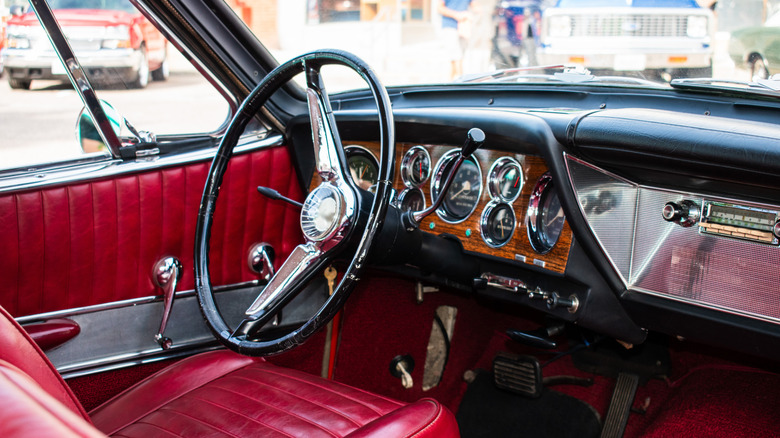
Whether you're clear on a certain make and vintage or not, it's never too soon to start poking around to see what's out there, consulting professionals, and spending time on forums, social channels, and car club sites. The depth and breadth of the rabbit hole will depend a bit on what car you're after, but for some people, researching a classic is as fun as buying one.
When you're in gather mode, places like Hemmings and Hagerty provide a wealth of information, including marketplace analysis, in addition to listings. You can browse online auction sites for current trends, and view historical sales data to figure out how much you can get for your money on a given model.
Supplement the virtual research by talking to a good, local mechanic and building a rapport. They'll give you a realistic sense of what to expect, how difficult it is to source parts, and some peace of mind — even if you plan on doing most of the work yourself. Car clubs and forums are excellent resources for finding mechanics in your region, and often feature tips on what to look for — and what to avoid — when hunting.
If your tastes trend toward originality, researching the car's history and build sheets is critical. Ask for documentation of maintenance, and any other past ownership information you can get your hands on. Gather as much information and knowledge as you can so that you feel confident and comfortable when it comes time to buy.
Know your budget: money and time
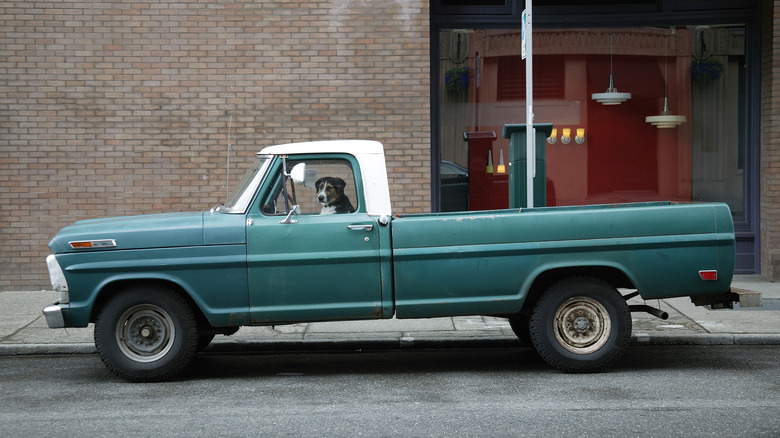
Even if you're fortunate enough to be able to drop over $2 million on a 1969 Lamborghini Miura, you've got to be realistic about how much cash you can — or are willing to — pour into the purchase up front.
Realistic is the key word here, and this is where the marketplace research and analysis come back into play. Know that what's a budget-friendly piece of American muscle one month can become a bit more unattainable if the market gets hot for whatever reason. Familiarizing yourself with general condition ratings, from concours to project, is a great way to align your expectations with your wallet. Once you know the cost of entry, you can start to roll other costs into the equation.
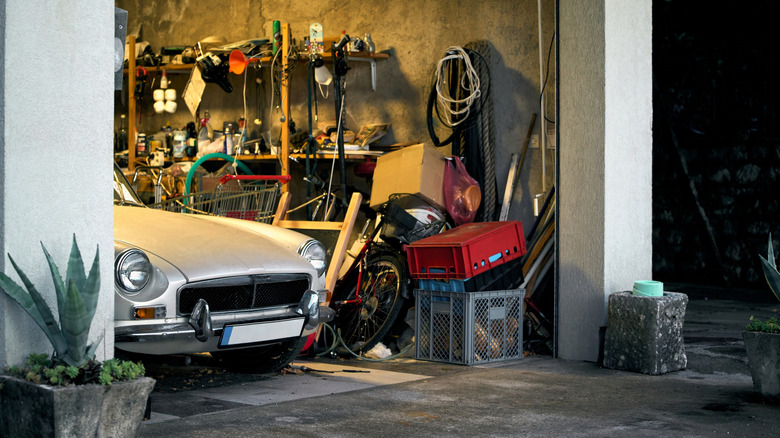
But before you even get there, the other budget consideration is time. Ever walked by an open garage, and seen some half-covered classic inside, up on jack stands, with boxes piled on it, crying out for some TLC? Chances are, that wasn't the plan. Sometimes, even if the money's there, the time isn't.
While time factors into overall enjoyment of a turnkey, weekend car, it's especially crucial if you want to acquire something that requires a bit of restoration to be roadworthy. It can also be tricky and time-consuming to unload a project: "ran when parked" isn't a known car ad red flag for nothing. Think long and hard if this is your first go at a classic, your time is limited, and you're dead-set on a DIY restoration.
Know your costs: maintenance, storage, insurance
Every model has its maintenance quirks. That mechanic who helped you suss things out? Find out what their labor rates are, and educate yourself on the parts market for your steed. If you're into British classics, you'll likely meet notoriously fickle Lucas electrical systems. Old Porsche parts could be widely available but expensive, and they may require time to order. You can walk right into NAPA and snag alternators, bearings, and all sorts of other parts for your 1967 Chevrolet Camaro. Replacing the suspension on one classic can run as much as an entire engine and chassis overhaul for another. Get a sense of what parts availability is — including glass — and, if originality is critical, factor that into the costs.
Next is insurance. Insuring a classic doesn't have to break the bank, because these policies often hinge on mileage and usage constraints with lower premiums. Contact your current provider, or search "classic car insurance" to investigate specialty companies that offer coverage in your area. Focus on the agreed value of the car to protect your investment.
If your plans include more frequent use, you may not qualify for collector coverage, and you'd have to insure the car like any other car. That might be fine. Using it less frequently is not necessarily a good thing from a mechanical standpoint because cars don't like to sit for too long without being started and driven — batteries die, tires deflate, critters take up residence in storage.
Speaking of, do you have garage space? If you have to pay for storage, or buy a car port, special covers, or whatever else to store your ride, roll that into the costs and deduct from your time and money budget.
Know your purchase plan: buy with confidence
You've got your budget, you know what to expect from the classic you want, you know where you're going to park, and you have a plan to maintain it. Beautiful. You know exactly what you're looking for, and you've found it. All that's left is having a plan to acquire it.
Are you paying with cash, or do you want to get a loan? Just like insurance, there's a whole industry dedicated to financing classics, possibly even under the same corporate roof. Search for "classic car financing" and poke around to learn about rates, valuation particulars, and terms, so you can have things lined up ahead of time.
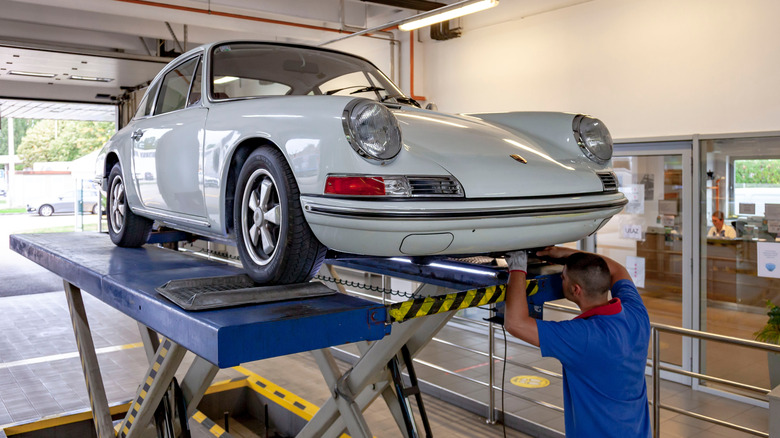
Get an inspection. Unless you're a mechanic, or deeply familiar with the particular example you're looking at, a pre-purchase inspection is money well spent. This can verify excellence, spot problematic rust, or help you itemize work to be done in keeping with your plans for the car — including removing aftermarket parts or modifications that may not fly in your state.
It's always ideal to see the car in person, but if you're buying remotely, take advantage of third-party inspection services. Again, car club forums and message boards are a great resource for finding reputable independent shops that offer pre-purchase inspection services. Drive the thing if at all possible. You might fall in love. You might find it's an automotive hero you regret meeting.
Above all, as with any used car, if a seller won't accommodate an inspection, consider it a red flag, and be prepared to walk away. That can be extremely hard when you've got your heart set on a classic that doesn't come along every day. But sometimes, the best deal is the one you don't take.