

Hot Or Cold Water: Which Is Best For Washing Your Car?
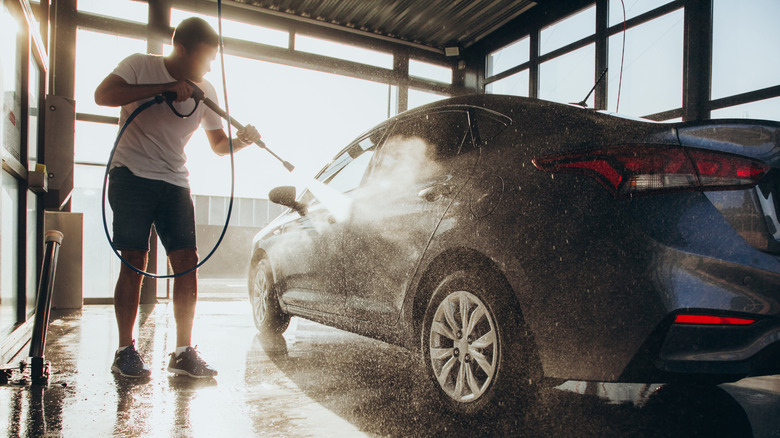
Water that is too hot or too cold is not great for washing cars. Dousing your vehicle with excessively hot water during winter might present dire consequences, with the likelihood of cracking windows or permanently damaging the paint. The same thing happens in the summer, as hot water might induce streaking and water spots on the paint. Meanwhile, water that is too cold is a poor choice for washing cars during cold snowy weather. Besides the risk of the water freezing, frigid water is not as effective in removing tough dirt or grime from the paint. The rule of thumb is to avoid washing your car entirely if the temperature is below 32 degrees Fahrenheit (0 degrees Celsius). If you insist on washing it, you should do so in the afternoon using lukewarm water to save your sanity.
On the other hand, you should wash in the early morning or late afternoon if the temperature rises above 90 degrees Fahrenheit (32 degrees Celsius), especially if the vehicle is exposed to the sun. You won't risk ruining your car's paint by washing it often, but doing so under direct sunlight — especially when it's hot outside — is a surefire recipe for water spots and paint damage.
As you probably noticed, the ambient temperature is equally important as the water temperature when washing cars. However, using lukewarm water at a temperature of around 100 degrees Fahrenheit (38 degrees Celsius) is best for year-round washing, and there are more reasons for that than just practicality,
Lukewarm water cleans better
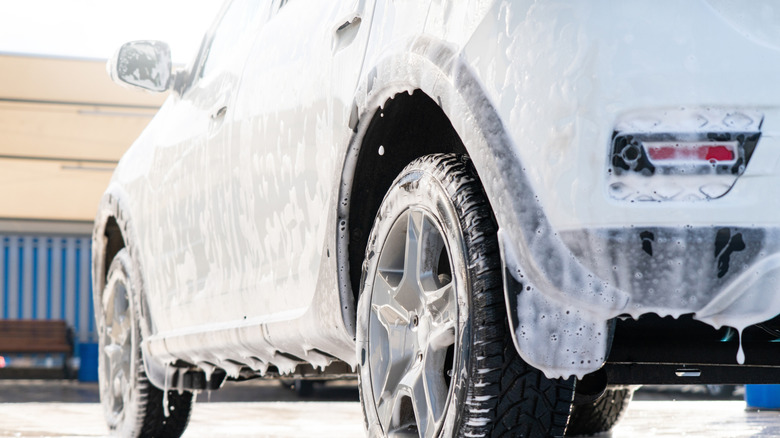
Unlike washing dishes, where the scrubbing action and the potency of the dish soap are more important in cleaning and killing bacteria, using lukewarm water at specific temperatures has many benefits when it comes to washing your car. Warmer water enhances the performance of the car wash soap in lifting off and absorbing dirt from the paint, making the washing process easier and more efficient than using cold water.
Additionally, lukewarm water reduces the risk of streaking without dissolving the protective layer of wax on the clear coat. It's also great for removing tar spots without harming paint, which you can do by using a clay bar and a lubricating mix of warm water and car shampoo. If the thought of using warm water to wash cars is a bit overkill, don't fret. What's more important is sticking to a regular cleaning schedule to avoid the things that could potentially ruin your car's paint and hurt its resale value.
How often to wash a car

How much you love your car will directly correlate to how often you clean it, but the general rule is to wash it every two to four weeks to help protect and preserve the paint. Stick to giving it a thorough wash every two weeks if your driving habits take you through dusty and dirty areas daily. As an added tip, you should consider using lukewarm water to wash the undersides of the vehicle during winter, which can make quick work of ice and road salts. On the other hand, washing every four weeks is ideal in mild weather.
Frequent cleaning in the winter and summer is best to protect the paint from rust, bugs, and tree sap. As you probably know, improper washing methods will do more harm than good, so make it a point to use clean water and car shampoo when washing your vehicle. It's best to avoid dish soap if you can help it, since its potency could dissolve the wax on the paint and potentially ruin your plastic and rubber trim.