

10 Things You Didn't Know Can Ruin Your Car's Paint Job
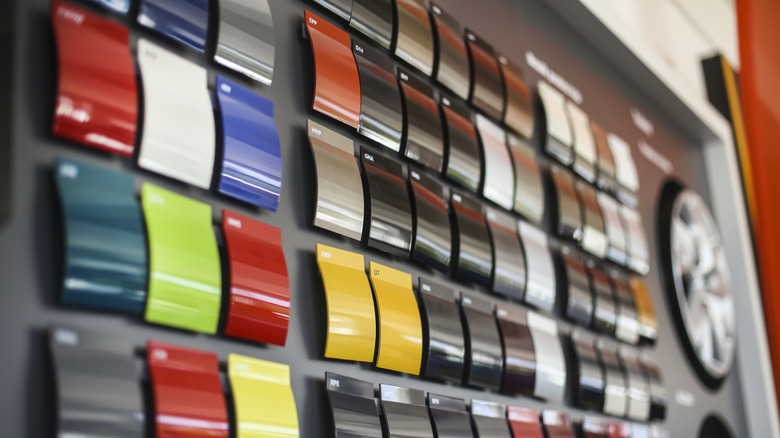
Most people imagine a ruined paint job as something dramatic, like a rogue shopping cart carving a scar across their door or a careless driver scraping a bumper while parking. But the reality is usually much less cinematic. (Well, potentially less cinematic, anyway. Today's car detailing YouTubers can make pretty much anything look dramatic, and we're pretty sure they make more money making epic short before/after films than they do making dirty cars clean.)
In any case, paint rarely fails in an instant. It fades, clouds, etches, and weakens quietly, worn down by subtle everyday forces that most of us never think about until the finish has already lost its depth. Sunlight dries and oxidizes clear coat. Bird droppings harden into acidic patches. Tree sap clings to the surface like hardened resin. Even something as harmless-seeming as washing your car can do real damage if the technique is wrong. Modern paint is more advanced and more durable than what manufacturers used decades ago, yet it is also thinner and more environmentally regulated, which narrows its margin for abuse.
Today's takeaway? Every little thing adds up. This list highlights the subtle threats hiding in plain sight, including the contaminants, chemicals, weather conditions, and maintenance habits that steadily break down your finish. Understanding these dull (and dulling) dangers makes it easier to keep your car looking good. This is important because once the damage is done, there's only so much you can do to make your car's face pretty again.
Sunlight and UV exposure can bake the life out of your finish
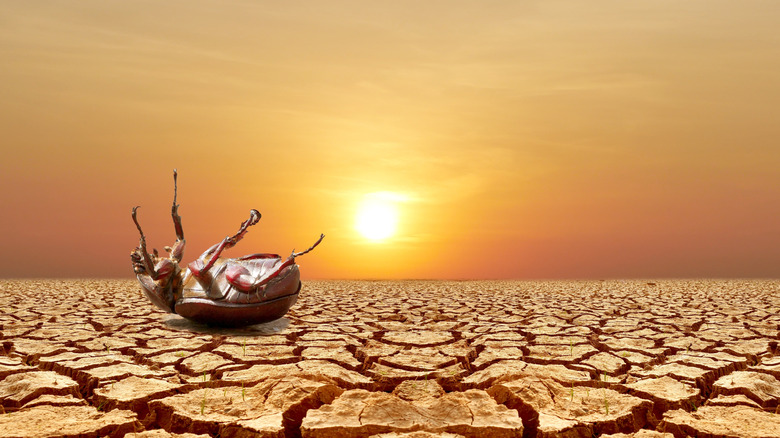
Direct sunlight is one of the most underestimated threats to automotive paint. UV radiation slowly breaks down the clear coat on a molecular level, making it brittle, chalky, and dull. This isn't dramatic damage, so it rarely gets noticed early. Instead, the surface gradually loses gloss before beginning to oxidize, fading into a hazy, uneven texture that no quick wash can restore. Darker colors are hit hardest because they absorb more heat, but all finishes degrade when exposed long enough. Heat accelerates the process, pulling moisture from the paint and causing premature aging.
Parking outside every day magnifies the effect, especially in hot climates where panels easily reach extreme temperatures. Regular washing helps by removing contaminants that intensify UV damage, and using wax or coatings creates a sacrificial barrier that slows the burn. Even something as simple as parking in shade can meaningfully extend paint life. UV wear is slow, but once it takes hold, restoration often requires polishing or professional correction. Protecting your car before the fade begins is far easier than reversing the effects later.
Bird droppings and bug guts can etch clear coat faster than you think

Bird droppings and insect remains look like minor annoyances, but they are two of the most aggressive natural contaminants you'll ever find on automotive paint. Bird droppings contain uric acid strong enough to bite into clear coat quickly. As the deposit dries, it leaves behind a permanent etch mark shaped exactly like the original splatter.
Bug guts behave similarly. On long drives, the front of your car might accumulate a bunch of the stuff. The good news is that they don't do any immediate damage on their initial splatter, with the paint deterioration happening once they've been left to fester after the road trip is over. Many owners make the situation worse by wiping droppings or bugs away with a dry cloth, grinding acidic or gritty material into the clear coat. The safest removal is a soak-and-lift approach using water or a dedicated cleaner. Even well-maintained vehicles can develop textured marks if these contaminants sit for more than a few hours. Addressing them quickly helps prevent permanent surface damage.
Tree sap hardens into a resin that bonds like superglue
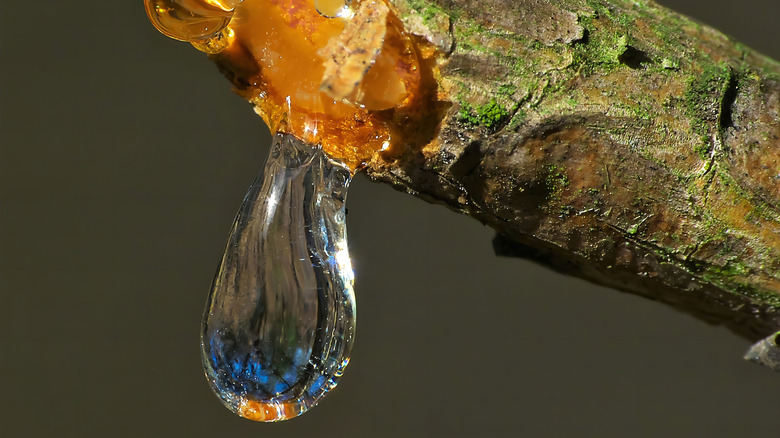
Fresh tree sap feels sticky, but exposure to sun and air transforms it into something closer to hardened resin. Chemically speaking, it's half glue, half spite, and somehow stronger than anything 3M has ever produced. Once it hardens fully, it becomes extremely difficult to remove without damaging your paint. Sap doesn't just sit on the surface. It clings aggressively, trapping dirt underneath and forming a raised, textured patch that interrupts the smoothness of the clear coat.
Attempting to scrape or scrub cured sap usually leads to scratches or peeling because the hardened material lifts the surrounding finish as it breaks loose. This is why cars parked under pine or maple trees often accumulate stubborn spots that seem immune to washing. Even tiny droplets can leave behind a permanent texture. The safest approach is to soften the sap with an approved cleaner and give it time to break down the resin before removal. Trying to rush the process almost always causes more harm. In extreme cases, professional polishing or even repainting is required to fully restore the surface. Prevention is simple: avoid parking beneath sap-heavy trees when possible.
Road debris can turn small impacts into rust
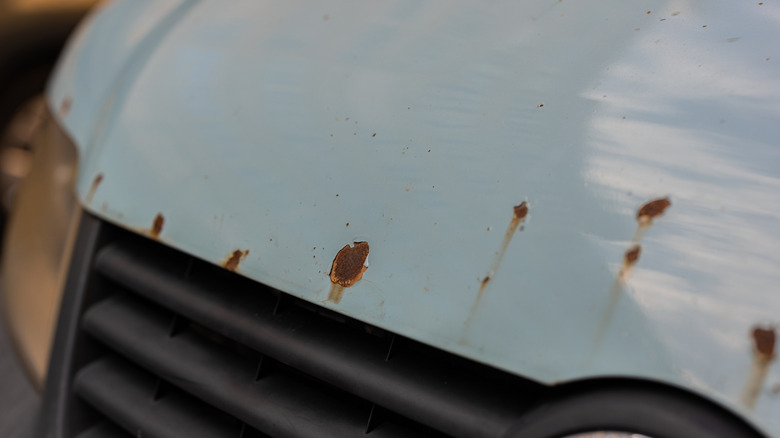
When a rock strikes your car at highway speed, the sound may be small, but the damage isn't. Think of road debris as ballistic gravel testing your paint's structural integrity at 80 miles per hour. A stone chip often pierces straight through the clear coat and primer, exposing bare metal underneath. Once metal is open to moisture and oxygen, oxidation begins, eventually forming rust. This usually starts small, but it spreads silently beneath the surrounding paint, weakening the bond until it's suffering from blisters or peeling.
Winter makes the issue worse because road crews use abrasive gravel and sand that gets flung upward by other vehicles. Areas around wheel wells, rocker panels, bumpers, and lower doors take the brunt of this damage. Even chips that seem harmless can evolve into long-term corrosion problems. Touch-up paint helps seal exposed metal, but widespread or clustered impacts often require sanding or refinishing to stop deeper deterioration. The faster a chip is addressed, the less chance rust has to gain a foothold. Ignoring it may mean dealing with more costly repairs later.
Spilled car fluids can stain or soften paint on contact
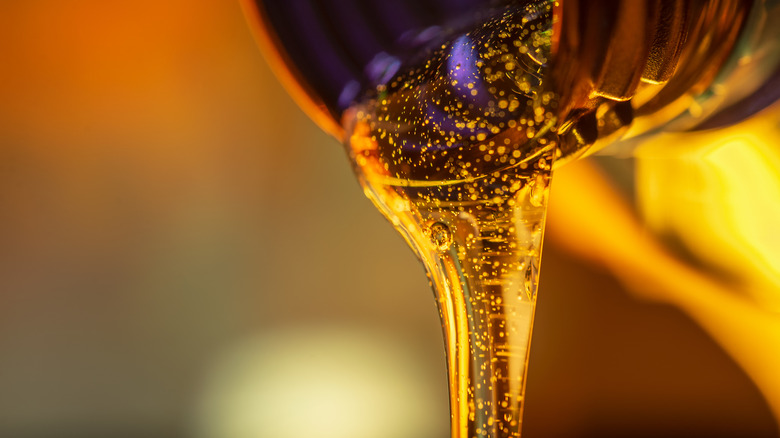
Long story short, if you spill brake fluid on your car's paint, you need to deal with it ASAP. Chemical damage is often overlooked because spills seem brief and harmless, but certain liquids can ruin paint very quickly. Gasoline can dissolve wax and leave behind uneven staining. Brake fluid can be just as aggressive; depending on its formula, it can soften or wrinkle paint.
These accidents usually happen during rushed refueling or DIY maintenance, and people commonly make the problem worse by wiping instead of rinsing. Rubbing spreads the chemical and grinds in dirt, deepening the damage. Household cleaners are another silent threat. Products like oven cleaner, degreaser, or other harsh solvents are not meant for automotive finishes, and they can strip away protective layers or discolor the surface within seconds. The safest response to any chemical spill is immediate rinsing with plenty of water, followed by a gentle wash. Quick action prevents lasting damage, but even short exposure can leave marks that require polishing to fully remove.
Using the wrong cleaning products can slowly degrade clear coat

Plenty of people damage their paint not through neglect, but through good intentions paired with the wrong cleaning products. For starters, dish soap wrecks car paint, stripping wax and leaving paint unprotected. Paper and bath towels grind dust into the finish, creating fine scratches that build into swirl marks. Household all-purpose cleaners may cut through grime effectively but aren't formulated for automotive surfaces and often remove protective layers.
Drive-through car washes add a different level of risk. Their spinning brushes collect abrasive particles from every vehicle that came before yours, turning them into paint-scuffing machines. Recycled wash water can also carry grit that scratches your finish — even if you never see it happen. Over months and years, these small abrasions build into a cloudy haze that dulls the entire car. Of course, there's still a lot of convenience from deferring to a building full of robots, but that will of course reopen the debate about whether automatic car washes destroy paint.
Environmental contaminants can bond to paint, sort of forever
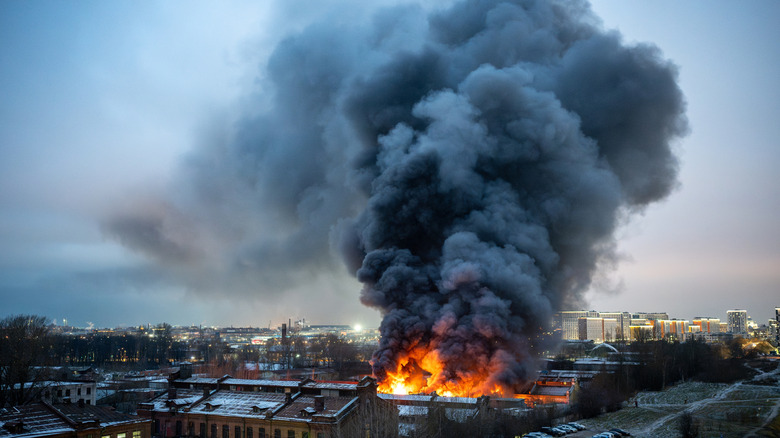
If you daily a car in a city, an industrial zone, or anywhere within leaf-blower distance of construction, congratulations; your paint is being slow-roasted in a fine seasoning of brake dust, metal shavings, soot, and fallout. According to detailing pros, this stuff doesn't just land on your clear coat. It sticks there like it pays rent, embedding itself into the surface until your paint feels less like a glossy finish and more like a 600-grit science experiment. Worse yet, if you're talking about little bits of airborne metal particulate, simply washing might not even do the trick. You'll actually need to wash with an alkaline soap to neutralize the oxalic acid clinging shamelessly to your ride.
If you park near traffic, trains, factories, or any place where air quality feels like a suggestion, you're getting bonded contaminants whether you notice or not. Even if you wash weekly, they're going to be tough to get out. And ignoring them just means your clear coat goes from "smooth and shiny" to "vintage foggy" one afternoon at a time.
Extreme weather and temperature swings can stress paint beyond its limits

If you thought rain and snow were the only risks to your vehicle's shiny exterior, think again. Paint isn't just decoration. It's a thin shell stretched over metal, and that shell expands when it heats and shrinks when it cools. That natural cycle becomes a beating when the weather swings fast and hard. Repeated expansion-contraction cycles can cause micro-cracks in the clear coat, which expand into bigger cracks or peeling over time.
Throw in summer heatwaves and UV exposure, and you've got a recipe for fading, chalking, and clear coat failure. This can be especially true on darker paint jobs that soak up more sun. And before you get cocky, rust-belters, freezing cold can be just as dangerous. Cold hardens paint and can make it brittle, and a single rock chip or ice-scrape on a frigid morning might crack what would flex under milder conditions.
The worst part? The damage often doesn't show instantly. An imperceptible crack here, a faded panel there, and it all adds up slowly until your once-slick finish looks like weathered plastic.
Human contact can scratch paint (without you even realizing it)
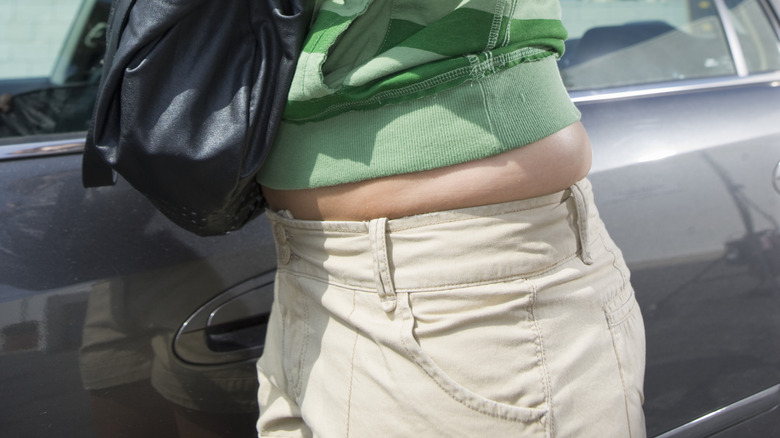
Everyday human interaction with a vehicle leaves more marks than most owners realize. Rings, zippers, belt buckles, handbags, backpacks, and grocery bags all create fine scratches when brushed against paint. Door handle areas accumulate nail marks. Even leaning on a fender can grind dust into the clear coat and leave behind dull patches. Add a little bit of malicious intent to the equation and it's no surprise that keying somebody's car is just about the worst thing you can do.
You've seen it all before: micro-scratches around door handles, faint scuffs near trunk latches, or tiny linear marks along the lower doors. These aren't mysteries. They're the predictable result of personal effects brushing the paint in day-to-day use. In correction shops and detailing training programs, these marks get lumped into the category of "marring," the catch-all term professionals use for light scratches created when something hard or gritty touches the clear coat. They're not catastrophic, but they show up on every color, and darker cars make them painfully obvious.
Drivers usually spot the damage only when the sun hits a panel just right, revealing a constellation of arcs and swirls that weren't visible an hour earlier. The good news is that most of this damage is shallow, and it responds well to polishing or paint correction.
Improper washing technique is the number one cause of preventable paint damage
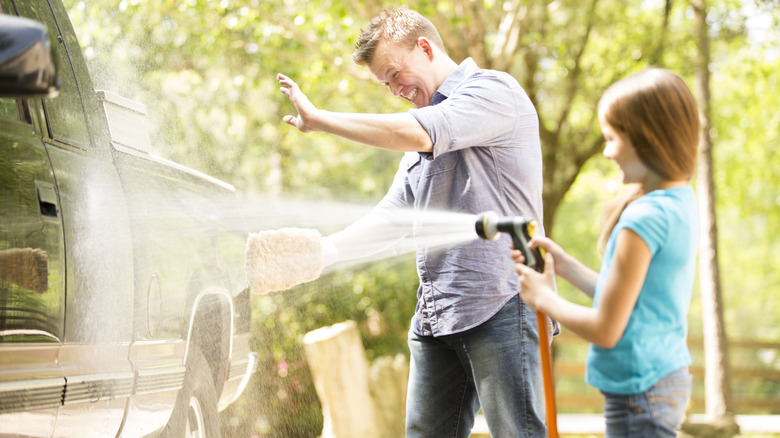
Plenty of scratches on otherwise well-kept cars don't come from gravel storms, falling branches, or high-speed road shrapnel. Instead, they come from washing. Not the concept of washing, but the way people wash. They drag dirt across the paint, wipe with dry towels, reuse a grimy sponge, or haphazardly blast a panel with whatever cloth is closest. Professional detailing guides consistently state that improper washing and drying are the primary causes of swirl marks, micro-marring, and clear-coat abrasion on daily-driven vehicles.
Bad wash technique might quietly ruin more paint than harsh weather or road debris ever will. Even quality products can cause damage if used carelessly. Microfiber towels that are dropped and reused collect grit that scratches clear coat. Drying the car with bath towels leaves behind fine marks and lint. The two-bucket method, straight-line washing motions, and clean microfiber towels dramatically reduce risk, but many drivers ignore these out of habit or impatience. So while there's a certain flavor of summertime Americana that comes from a bucket overflowing with suds in the driveway while you dunk an old garage sponge in there, you're definitely risking your paint washing your car like that.
Over time, improper washing creates a cloudy, dull appearance that can only be corrected with polishing. A careful wash may take more time, but it preserves paint far better than any protective product, and it's the kind of boring car care fundamental that you should really master before going out looking for the best car cleaning hacks on the internet.