

Feds Begin Leaving The Skies To AI In DC, Kick Off $875 Million Investment On SMART AI Tool
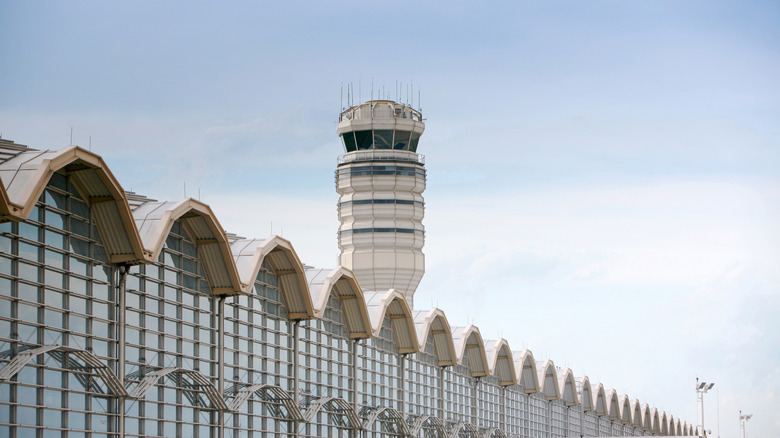
Just weeks ago U.S. Transportation Secretary Sean Duffy mentioned in a podcast that help was on the way to help struggling air traffic control centers. A sizeable $875 million investment wouldn't grant them human employees though, rather it would give them an AI system, which according to the Wall Street Journal, began its soft launch this week at select Washington, D.C.-area airports.
Known as SMART for Strategic Management of Airspace Routing Trajectories, the AI system was the brainchild of Thales, Air Space Intelligence and Palantir. It's Washington's latest fix for some of air travel's biggest woes, namely airport delays which according to the FAA, had risen 300 percent compared to average delays in 2010-2024, at least the equipment-related ones. Last year's government shutdown likely didn't help that particularly engorged number either.
SMART's intention is to eventually become the "brains of the nation's air-traffic control system," according to The Wall Street Journal. The AI refines airline schedules, and takes into consideration weather all to keep flights moving a little faster. It'll also take into account an airport's runway capacity and operational constraints to aid in predicting air traffic flows and find any conflicts before they happen, to prevent situations like the Marine One almost hitting a regional jet over DC this summer, or the year prior when an Army helicopter actually did hit an American Airlines regional jet over DC and killed 67 people.
Slow and steady goes the AI, right?
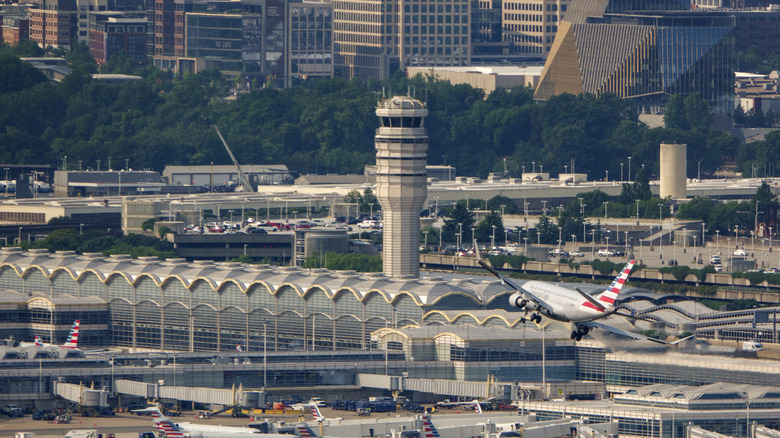
The soft rollout is meant to be slow and methodical for the initial 90-day trial period at Ronald Reagan Washington National Airport, Dulles International Airport, and Baltimore/Washington International Thurgood Marshall Airport, while managed at the FAA's Air Traffic Control System Command Center in Warrenton, Virginia. Politico says the AI will generate alternative route information, that will be passed along FAA's existing systems and can then be determined whether or not they can be used from there. Despite overwhelming trepidation surrounding the new AI system from airlines, most have seemingly come around, as United Airlines CEO Scott Kirby released a statement earlier this month saying, "If it works as we think it can, it will do more to reduce delays and cancellations than anything that's happened in decades."
It does seem like this work could have been done by humans if the appropriate number of air traffic controllers were staffed at airports. But that kind of help costs salaries, healthcare and pensions — money no one in this economy wants to spend, including the broke government. A report published last year by the FAA said it'd need 14,633 controllers to be at full-running capacity. Earlier this year that number was revised to 12,633. According to the New York Times, the actual number of air traffic controls under employment stands at a little over 11,000. That leaves at least 1,500 jobs to be filled. And help has been so difficult to find, some airports have consolidated air traffic duties in a way that individuals staffed at one airport are controlling air traffic at another airport some distance away. It's no wonder so many of them are stressed and are leaving in droves.
FAA's 99 problems and AI might only 'fix' one
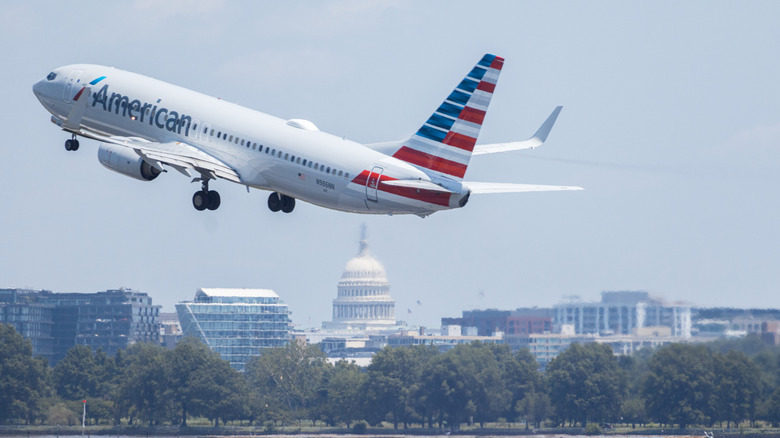
One can't help but wonder if Secretary Duffy could have waited a bit to see how things panned out before introducing AI into the mix. His department's massive push to upgrade airport infrastructure across the country, pledging $1.776 billion for America's 250th birthday to take on the effort, probably shouldn't rush headlong in AI. How that money has been spent was shared multiple times on the FAA's site. That's not including investments into expedited air traffic controller programs, which as of this month there are now 13 schools certified to teach a fast-track program to get qualified trained individuals into the towers, faster, which airports desperately need.
An even bigger thing coming to an airport near you is updated air travel systems, which have operated on devices from the 1980s — something Duffy has pointed out on several occasions. All of these new projects and technologies take time to finish in order to reap any benefits. Why not finish all of the updates and see if air travel improves before running into the arms of AI? Duff, seriously, what's the rush?
To at least ease the general public's mind, Duffy has said in multiple statements and interviews that there will always be a human in air traffic control, like this CBS News interview: "Am I gonna replace a controller and have AI manage the airspace? The answer to that is hell no, that's not gonna happen." Except, genuinely, the AI is replacing human staff to some extent. Partly because there's no one to hire. Partly because no one running things from Washington has patience. But like most things also coming out of Washington, there's a lot that is said and then not done or the opposite rather, so take the quote with a grain of salt.
For now, the soft rollout is underway and the AI SMART software is expected to be fully implemented in airports across the country by 2028. By then it'll quickly become the next administration's problem.