

Can You Make An Old Range Rover Reliable?
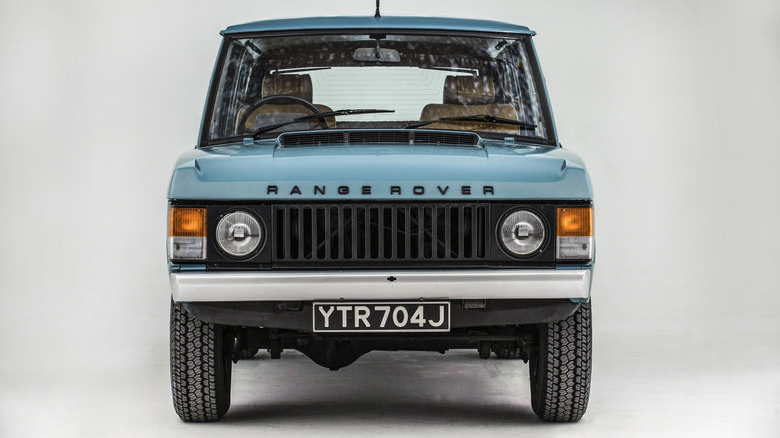
From 1969 until 1996, Land Rover produced the first-generation Range Rover, perhaps the most capable off-road oriented SUV on the market. The Range Rover was not designed as the luxury soft-roader it has become today, but a proper body-on-frame 4x4 with basic utilitarian components designed to tackle terrain. These trucks are designed to take a beating and rove over pretty much any land you can throw at them, but after decades of age and abuse, they're quite prone to a variety of common failures. Is it possible to overcome these issues through maintenance and preventative part replacement? The short answer is no. The long answer is that with enough science and money, we can fix anything.
First things first: If you're looking for a vintage 4x4 to use as a daily driver that can tackle some weekend trail riding, and you choose something other than a Toyota Land Cruiser, you're just plain wrong. The Range Rover is an excellent extraneous car that you don't want to rely on to start every day — a third or fourth car, perhaps. Do not trust the British to build a reliable car, even if it's a rugged off-roader that remained in steady production for 28 years. Unless you come from moneyed elite with a staff of mechanics to tend your stable of automotive miscreants, avoid this one. Keeping a Range Rover Classic on the road takes equal measures of patience, stubbornness, and dollars.
What can go wrong with these beautiful off-roaders? If Land Rover touched it, it's pretty much capable of catastrophic failure. The biggest problem with these is structural rust and frame rot, though these machines also suffer from blown head gaskets, cooling system issues, and electrical issues, in addition to troubles caused by age, mileage, and deferred maintenance.
What are the problems?
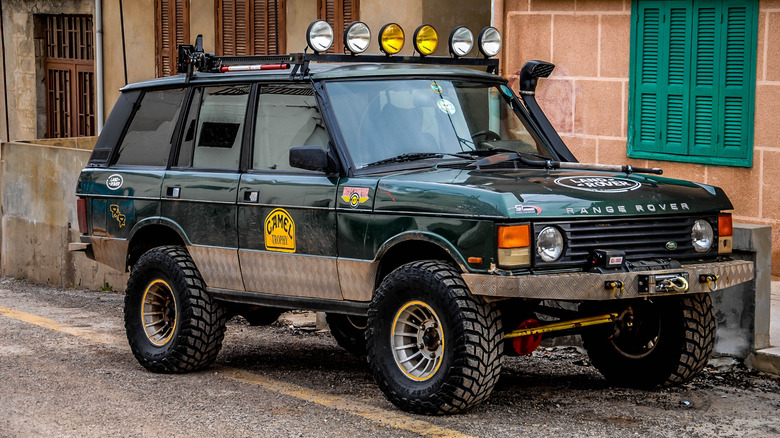
South African Range Rover parts supplier Rover Spares identifies rust as the single worst fault, adding, "If a Classic is going to break your heart, it will be the rust, not the engine." Because most of the Range Rover's body is built from aluminum, it won't show its rust issues at surface level. The truck's frame structure, rear crossmember, outriggers, and rear compartment floor are all built from steel and are susceptible to rot. Further, the alloy body is held to the chassis with steel bolts, causing nasty electrolytic corrosion of dissimilar metals at those joints. Before committing to buying one, get it up on a lift and poke around at steel components to test their integrity.
The Rover V8, derived from a 1960s Buick lump, is known to suffer two main faults: head gasket failure and slipped cylinder liners. These alloy engine blocks require steadfast attention to the cooling system, another common failure point. Caught early, a weeping head gasket is an inexpensive replacement. The dropped cylinder liner, however, requires the engine to be removed and rebuilt. In either case, these engines are so easy to find and rebuild that you're never far from getting it back on the road. And Rover Spares recommends replacing the radiator, viscous fan coupling, water pump, thermostat, and hoses as preventative maintenance, always using a proper 50/50 coolant mix to protect the aluminum engine block.
Similarly, the later cars of the 1990s were sold with electronically controlled air suspension as the Range Rover moved upmarket. These systems are finicky and develop leaks easily, with pump failures, faulty height sensors, and leaky valve blocks. All of the parts are available, but you won't know what you need until after it fails.
How do you fix them?
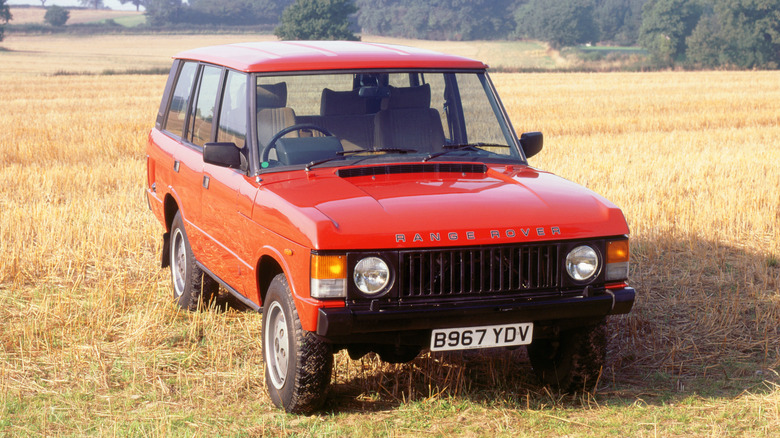
After several decades of use, even the things that are commonly pretty stout on the Range Rover Classic — including the four-wheel-drive system, transmission, interior, and fuel injection system — can become brittle and failure-prone. This is not unique to the Range Rover, but it's worth keeping in mind if you're looking to purchase one. Often the only solution to issues with these components is wholesale replacement, which gets pricey.
Short of digging to find a rust-free example that has never lived in the Rust Belt, then swapping the engine for a GM LS V8 and rewiring the truck from scratch, you'll probably never get one of these to be as reliable as the average American wants their vehicles to be. Definitely try to start with a rust-free vehicle if you can. Owners tend to agree that modern air-suspension trucks need a system overhaul every seven to 10 years, and the cooling system should be replaced periodically to avoid failure. After that you'll probably be spending most of your time with your Range Rover chasing electrical foibles, like non-working window switches. Owners also recommend changing your oil every 3,000 miles (or more frequently) to avoid heat buildup and excess wear.
If you remember that the Range Rover Classic cost into the six figures when adjusted for inflation, you're probably on the right track. You'll need to maintain it as though it were an ultra-lux hand-assembled premium automobile, because it kind of is. Add in the fact that the newest examples are now 30 years old, and you've got a recipe for expensive and frequent failures. Or, you know, just buy the Toyota.