

9 Things To Know Before Hiring A Mobile Mechanic
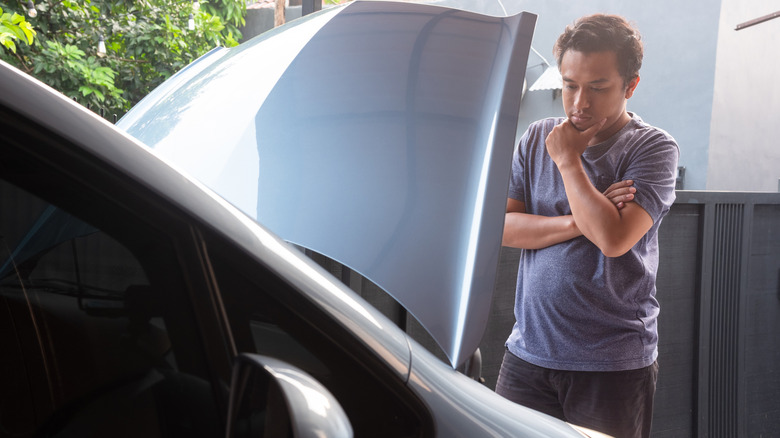
Taking your car to the shop is a little like moving to a new house. It exposes the fragility of our grasp on day-to-day logistics and can test the limits of the helpful people in our lives. You got a ride to work after dropping it off, but now you're stranded and can't run that lunchtime errand. Maybe you even have a loaner but forgot to grab your lucky sunglasses before handing over the keys. It's the little things that get you, and that's to say nothing of the challenge of getting a car to the mechanic when the thing isn't running at all. Talk about insult to injury.
Well, it turns out you've got options. As some automakers offer mobile service for repairs and warranty work, the almighty gig economy — along with some forward-thinking traditional mechanics — is building a business around coming to you, wherever that may be, more or less. Depending on the provider, you may even be able to select a service, get an estimate, and schedule the whole thing online.
Still, this is a bold new world for most of us, so there are a few things to consider before you pull out your phone and summon a local wrench to your driveway based on a profile picture and some online reviews. Let's talk them through.
Confirm your repair is suitable for mobile service

The phrase "mobile mechanic" can create the impression that somebody is about to arrive with an entire repair shop compressed into the back of a van. But just like some car repairs can prove too much to handle at any location, others might be perfectly reasonable and yet still stretch the limits of what can be accomplished in your driveway with any amount of expertise. Defining the boundaries of mobile work is a big part of the whole arrangement, so make sure your specific repair is available before booking.
A typical mobile mechanic, or mobile mechanic gig-work hub, might list hundreds of suitable services, including oil changes, brake work, battery replacement, starter replacement, belt replacement and diagnostic visits. Some repairs still require a conventional shop, even if you might think of them as fairly standard bits of service. Wheel alignments can require equipment that mobile technicians do not carry, while certain tire, transmission and drivetrain jobs may also fall outside the limits of what can be transported in a service van.
That does not mean every repair in those categories is universally impossible outside a shop. It means the dividing line can vary by provider, location, vehicle and the exact work required. Check the available service menu, enter your vehicle information carefully and describe the problem as precisely as possible. A mobile mechanic can save you the trip to the repair shop, but the van is not a Mary Poppins handbag. Some equipment simply will not fit inside.
The mechanic needs a safe, flat place to work
Bringing the mechanic to your car only works if the car is parked somewhere the mechanic can safely reach, inspect and potentially lift. That rules out more locations than you might expect, especially when the vehicle has broken down somewhere inconvenient and your definition of "good enough" has been adjusted by desperation. Also, not everybody has the luxury of a second driveway available for just such a situation.
At minimum, the car should be parked away from moving traffic on a reasonably flat surface with enough room around it for the technician and their equipment. A vehicle parked in the road, too close to passing traffic or in an active construction area may have to be moved before work can begin. A shopping-center parking lot might work. The shoulder of a busy road probably won't, even if you promise to stand nearby and flap your arms frantically as needed.
The slope matters because repairs may require the car to remain securely stationary or be raised off the ground. A steep or angled driveway can therefore make the location unsuitable. The mechanic may also reject a location affected by dangerous weather, flooding, nearby crime or some other condition that puts the project (or, you know, them) at risk. Just don't wait until the technician arrives to reveal that your picturesque hillside driveway is a better Instagram backdrop than an oil change site. Describe the location when you book, ask about its requirements and move the car beforehand if necessary.
You may not be allowed to repair a car where it is parked
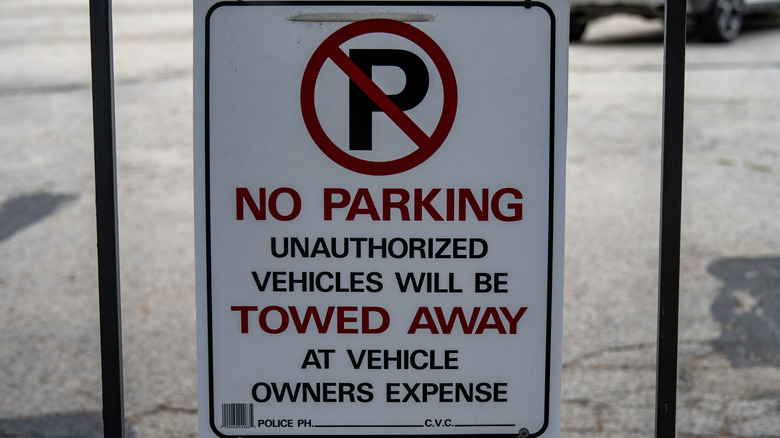
Jalopnik readers were recently able to come up with all manner of frustrating parking lot experiences, but not one of them involved some municipal bureaucrat telling them that they couldn't replace a lower control arm next to the Wendy's drive-through. Freedom apparently has its limits, and a location can be safe, flat and spacious enough for the work while still being completely off-limits for car repairs.
The mechanic may be willing and the vehicle may be accessible, but the property owner, lease, homeowners association. or municipal code may still prefer that everybody put the socket wrench away and get the tow truck back on the phone. This is especially relevant for apartment complexes, condominium developments, workplaces and paid parking facilities, where leases or parking policies may prohibit repairs, oil changes or other vehicle maintenance.
Public parking is not automatically fair game, either. Some cities restrict vehicle repairs in off-street parking spaces except for emergency work, while others impose separate limits on streets or other public property. Check your lease, HOA documents, workplace policy or parking-facility rules before booking, and ask permission if the space belongs to somebody else. Otherwise, the appointment could end with no repair, a cancellation fee and a strongly worded email from a property manager with nothing better to do than get involved in your innovative car repair solution.
Weather can change the appointment at the last minute

A mobile mechanic may have a van full of tools and the skill to fix your car, but neither provides much protection from the sky above. And while the worst weather you've ever driven through might make for great tales of personal heroism, your new mobile mechanic friend may not be looking to accumulate war stories based on your cool Civic with the bum alternator. Weather that would be a mild inconvenience at a conventional shop can make driveway work unsafe or impossible.
Flooding, hail, hurricanes and other dangerous or extreme conditions can force a mechanic to leave and the appointment to be rescheduled. Even less cinematic weather can interfere when the repair requires the technician to spend an extended period underneath the car, keep parts dry or work with tools that become less cooperative in the cold.
That means the forecast is now part of your repair plan, whether you enjoy discussing the probabilities of precipitation or not. Check the provider's weather policy before booking, ask how and when they decide to postpone service, and find out whether a weather-related rescheduling carries any fee. A garage, carport, or other covered workspace may help, but only if it still provides enough room, ventilation and safe access for the job. Most importantly, keep your phone nearby on the day of the appointment. The mechanic may be prepared to battle your seized fastener, but nobody should be expected to fight a flash flood for the privilege.
You may be able to handle the entire booking online

Have we got your attention now, Gen Z and probably two-thirds of millennials? Tap, tap, tap... no phone call required. Depending on the provider and repair, you may be able to enter your vehicle and location, select the service, receive an estimate, review available appointment times, and provide payment information without having to talk to a human being until they introduce themselves next to your broken car.
The same post-modern dystopian hellscape you've embraced to have overpriced cold fast food delivered semi-anonymously to your front porch while you peer through the blinds can now come to replace your car battery.
Still, read the screens instead of treating the process like ordering pad thai. Confirm whether the estimate is binding, when your card will be charged, what happens if the mechanic finds a different problem and whether you will need to approve additional work. The booking may happen without a service adviser, but the repair still deserves more attention than whatever terms and conditions you accepted to get DoorDash to bring your lunch.
Cancellation policies can be rough

We're not sure who did these guys wrong, but the mobile wrench business seems to have its guard up against last-minute cancellations and no-shows. It probably has something to do with the hard-dollar and opportunity costs of traveling across town to be stood up versus just having a little extra open space on the shop schedule in a more traditional setting. Either way, policies can be less forgiving than you might expect.
One mobile-service platform allows customers to cancel or reschedule without charge more than 48 hours before the appointment, but doing so within that 48-hour window can trigger a $150 fee. That's enough money to turn "something came up" into "perhaps that something can wait."
Policies and fees vary by provider, so check the cancellation deadline, rescheduling rules, and possible arrival charges before confirming the appointment. Convenience works both ways here: the mechanic commits to bringing the repair shop to you, and you may be committing real money to being there when it arrives.
The first appointment may only identify the problem
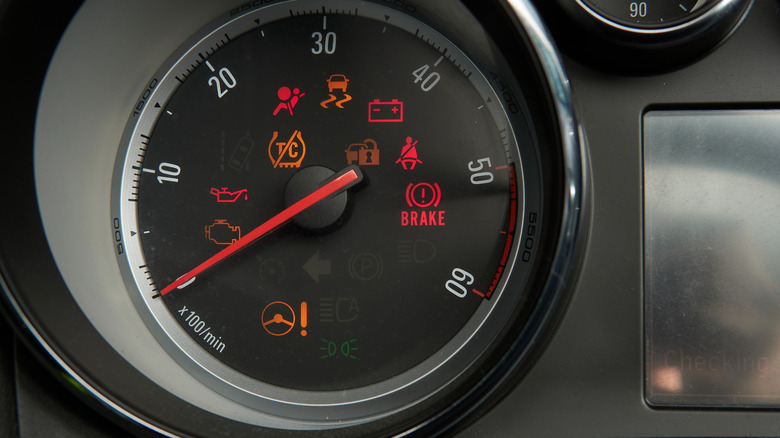
As car technology advances, some mechanics are getting left behind, and it isn't surprising that navigating modern vehicle tech isn't any easier at your house than from a dealership garage bay. Regardless, car problems aren't always considerate enough to fail in ways that correspond neatly with the service menu.
A no-start condition, warning light, strange noise or sudden loss of power can have several possible causes, and "it makes kind of a grinding-and-whirring sound when I turn left" is not necessarily enough information for the mechanic to arrive with the right part. In those cases, the first appointment may be a diagnostic visit intended to determine what is actually wrong and produce a quote for the necessary repair. That diagnostic work is still work, even if nobody triumphantly holds up a newly replaced component at the end.
Once the problem is identified, the mechanic may be able to fix it immediately if the required parts and tools are already available. Otherwise, you may need to schedule a second appointment so they can return properly equipped. One mobile service specifically notes that a no-start inspection can result in a follow-up appointment for the repair, with the mechanic returning with the required parts and tools. Ask before booking whether the diagnostic fee is separate, whether any portion is credited toward the eventual repair and whether same-day work is possible.
Mind the licensing

It turns out that there's no single national mechanic's license you can ask to see before somebody starts dismantling your suspension in the driveway. The requirements depend on the state, locality, business, and type of work being performed. California, for example, requires automotive repair businesses, including mobile repair services, to register with the state, but does not require a state license for an individual working as a general automotive mechanic. Michigan takes a different approach, requiring mechanics who perform repairs for compensation to be certified for the categories of work they perform.
Other jurisdictions may regulate only particular services, such as emissions testing, safety inspections, or air-conditioning work. This is why "licensed mechanic" can be a reassuring phrase without necessarily telling you licensed by whom, to do what or where.
ASE certification is another credential you may encounter, but it is not a universal government-issued permission slip. Technicians earn it by passing tests in specific service areas and documenting relevant work experience, making it useful evidence that somebody has demonstrated knowledge in the field. Before hiring a mobile mechanic, check what your state or locality requires, ask for the business registration or license number when applicable, and verify any professional certification being advertised. Don't worry, though, because it'll sort itself out before too long, as the Department of Transportation plans to write new regulations with AI, which is probably fine.
All the usual mechanic rules still apply
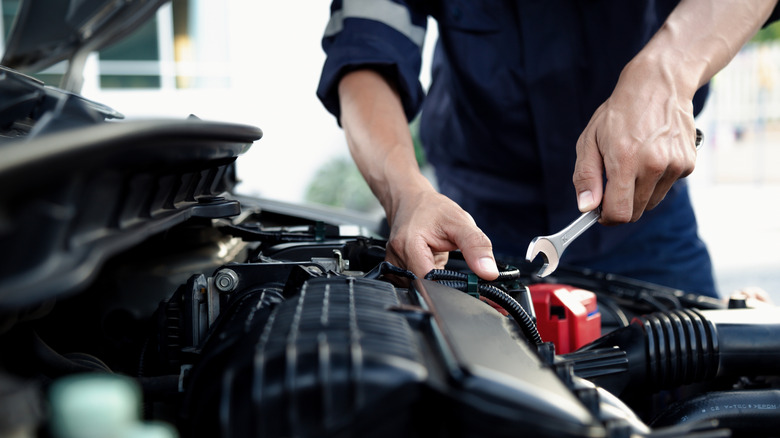
The bottom line is that whether the repair is taking place in your driveway, a public parking lot, or a service bay across town, all the signs of a good mechanic (or a bad one) are mostly the same. Having the repair shop come to you changes the location, not the basic precautions involved in trusting somebody with a machine that weighs a couple of tons and regularly carries your loved ones. Look for independent reviews, verify any advertised qualifications and ask whether the mechanic or company carries appropriate insurance.
Before authorizing the repair, get a written estimate that identifies the problem, parts, labor and expected cost, along with an explanation of what happens if the technician discovers additional repairs are needed. You should also understand any diagnostic charge and decide how much the final price can increase before the mechanic must stop and request your approval.
Once the work is finished, get a completed repair order describing the work performed, parts supplied, labor charges, and any applicable warranty. Save the invoice, warranty terms, messages, and photographs associated with the appointment, particularly if the mechanic will not have a permanent shop counter you can revisit later. Mobile repair can eliminate the tow, the waiting room, and the humiliating call asking whether somebody can pick you up before closing time. What it can't do is eliminate the need to know who is working on your car, what they intend to do and what recourse you have if the repair goes wrong. Convenience is the entire selling point, but it should never require leaving common sense back at the shop. Let's all just agree not to let this fall apart like fee-addled delivery services for cold fast food, yeah?