

5 Signs That Used Car You're Considering Won't Be Reliable

Some shoppers want to buy fast cars. Others want something spacious, or something well-connected to outside tech. Regardless, we all want something reliable, as breaking down midway through a commute or grocery trip is nobody's idea of fun.
While there's no sure way of knowing whether a used car will be dependable, there are warning signs buyers can look out for. Signs like unusually high mileage, a missing service history, and a large number of previous owners are all examples of red flags to watch out for. So are physical issues, such as oil leaks and strange noises when driving.
While we can't look into a crystal ball and predict just how reliable that secondhand car you're considering will be, we can arm you with exactly what to look out for. So do your research, always insist on a pre-purchase professional inspection if you can afford one, and think carefully about the following warning signs.
High mileage
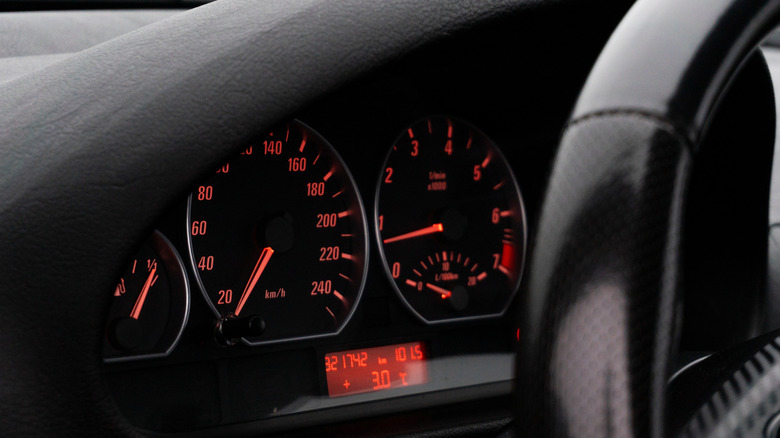
A car with higher mileage absolutely can be reliable, and high mileage is relative, too. A 2023 Toyota Camry with 125,000 miles on the clock might seem a bit steep, but for a 2003 model, that number would be quite modest. The truth is that maintenance matters more. It would be far wiser to buy a 100,000-mile car with great service records than a 70,000-mile car that's never seen a drop of fresh oil. So bear that in mind when seeking reliability from a new-to-you car.
Generally speaking, though, a car with lower mileage is more likely to make for a reliable choice, all things kept equal. Simply put, every mechanical item on a car has a natural shelf life, and a car with lower miles will therefore typically have more life left to give from most components, which means fewer repairs and breakdowns. Age also needs to be taken into account carefully here too, as parts — especially rubber or plastic parts that may naturally degrade – can wear to the failure point simply due to time, rather than mileage.
Also, higher-mileage cars may be due expensive service work, such as timing-belt replacements, that could pose a serious reliability risk if ignored. Lower-mileage cars may not need them for some time, giving owners time to save and have the work done later, rather than immediately.
A missing service history and unresolved recalls
Service history is a big one, since without it, you have little way to verify how well — or poorly — the car has maintained. Sure, the owner could say they've serviced it themselves, or maintained it religiously at the dealer but misplaced the paperwork, but without those records, it's largely a matter of whether you trust them.
As a side note, if the seller claims to have had it serviced at a garage, but misplaced the paperwork, request they call the garage to confirm the history, and to have replacement invoices made out if possible. An honest seller would surely make the call gladly if it means netting a sale. If they don't wish to, it could be a sign that they're lying.
A full service history is a solid indicator that the car has been well cared for, whereas a missing or gap-ridden history suggests otherwise. As minor as missed oil changes may seem, they could seriously shorten the engine's lifespan, so don't be afraid to walk away should the history not satisfy you.
Don't forget about recalls, either. It's easy to check if a vehicle has any outstanding recalls, and which have been completed, by just having the vehicle identification number. It's estimated that around 60 million cars are driving on U.S. roads with unresolved safety recalls, so coming across one when shopping might be more common than you'd think.
A questionable ownership history

It's important to clarify that, just because a car's had multiple owners, and perhaps also an accident, it doesn't automatically mean it's going to be unreliable. We're simply saying that a low- or single-owner car with a clean history is more likely to be the better bet. That's because a single-owner car will typically have enjoyed a consistent service history, and the owner will be familiar with the car's needs, letting them keep on top of things like tire and brake changes.
Plus, as they purchased the car new, it represents a significant investment to them, so as a general rule they'll care for it well. Whereas an eighth owner who spent $2,000 might be far less inclined to religiously stick to manufacturer maintenance guidelines.
Again, a previously damaged car might prove to be well-repaired and entirely reliable, but if it's suffered from serious damage and been fixed to a poor standard, the opposite is easily true. Poorly repaired accident damage could lead to alignment issues, resulting in accelerated tire wear, and safety issues also form part of the risk. So, while not necessarily a red flag, a previously damaged and repaired car requires a more thorough inspection.
Unusual sights, sounds, or smells
Whether you're buying a car from a dealer or privately, you need to thoroughly inspect the vehicle to establish whether it has reliability issues. If you're a competent mechanic, you shouldn't need any explanation on how to do this, but for anyone who isn't, just be sure to look out for any unusual sights, sounds, or smells.
In other words, if the engine is making clattering or knocking sounds when running, or there are bizarre vibrations when driving normally, this should be taken as a serious problem. The same goes for any unexpected smells. For example, an eggy smell could be a sign that the catalytic converter is clogged, while a burning smell could indicate that engine oil is leaking out and burning on the exhaust.
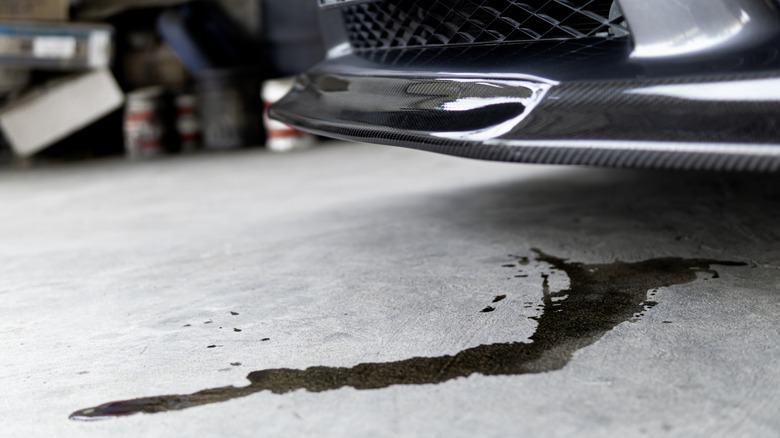
As for unusual sights, look for evidence of leaks in the engine bay and underneath the car. If the liquid is fresh, or visibly dripping, that's a clear sign that something is wrong and will require fixing early in your ownership. Either use it as a negotiating tactic or decide to walk away. In addition, if the seller refuses to allow you to arrange an inspection by a professional, take that as a sign to leave, as chances are they are hiding a known problem.
Brand reputation

This should be taken as a guideline rather than a hard-and-fast rule. For instance, just because German brands like Audi, Volkswagen, and Mercedes-Benz rank well below the industry average in terms of vehicle dependability – according to JD Power, at least — that doesn't mean every Golf, A3, or E-Class is going to be an ownership nightmare. In fact, a well-maintained low-mileage single-owner Golf is probably a far more desirable bet than a high-mile Corolla with no history and eight previous keepers. But brands do earn their reputations when it comes to reliability, and studies such as JD Power's can be a solid indicator as to which are more trustworthy.
Remember, however, that the scores from such studies need to be taken from the year of the car you're considering buying. For example, Mini scored highly in the 2026 JD Power study, but slightly below the industry average in 2021's report. So if it's a 5-year-old Cooper you're looking for, just because the brand is receiving compliments from the media right now, it doesn't make your used purchase equally as reliable.
As for brands and makes that have poor reputations, such as Lotus and BMW's V10-powered E60 M5, while perfectly reliable examples probably exist, such reputations rarely form out of thin air. So if a dependable used car is what you're seeking, it generally pays to avoid cars with notably poor reliability reputations.